Emissions reduction and climate risk management
We are committed to reducing our climate impacts, and fostering resilience and adaptation to the impacts of climate change. That’s why we’re taking action to reduce our emissions and manage our climate risks.
We are already demonstrating strong progress, having achieved a 33% reduction in greenhouse gas emissions in three years.
Solar installations
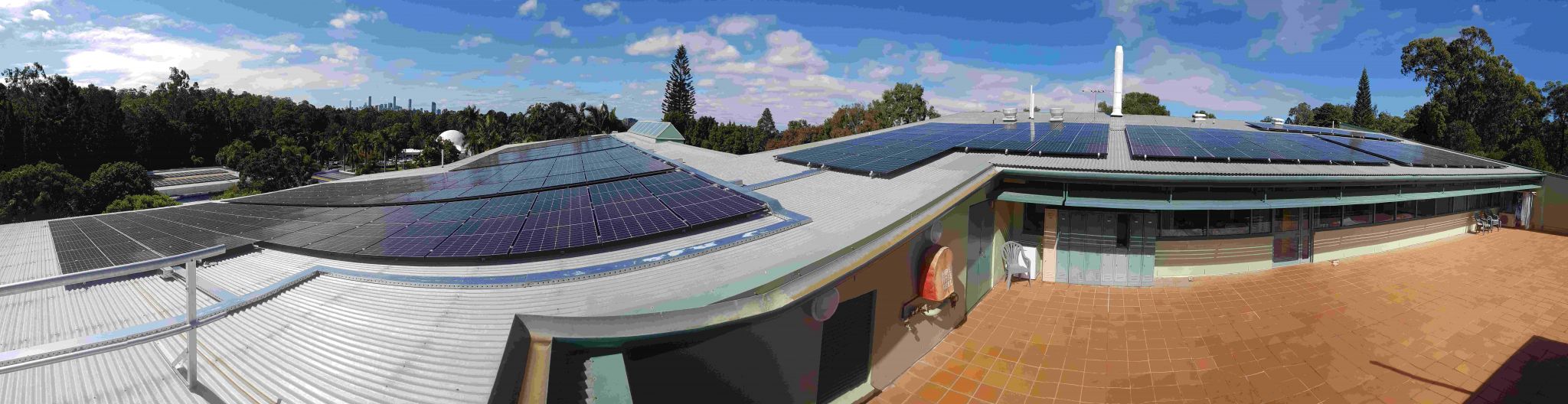
The installation of solar power on our buildings has increased 10-fold since 2018.
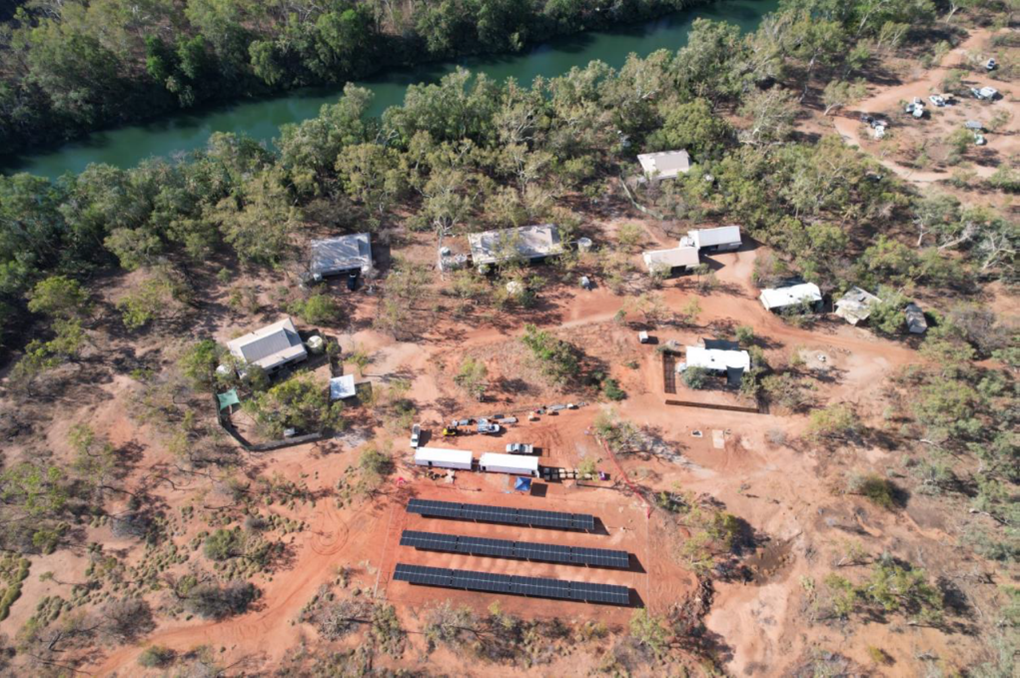
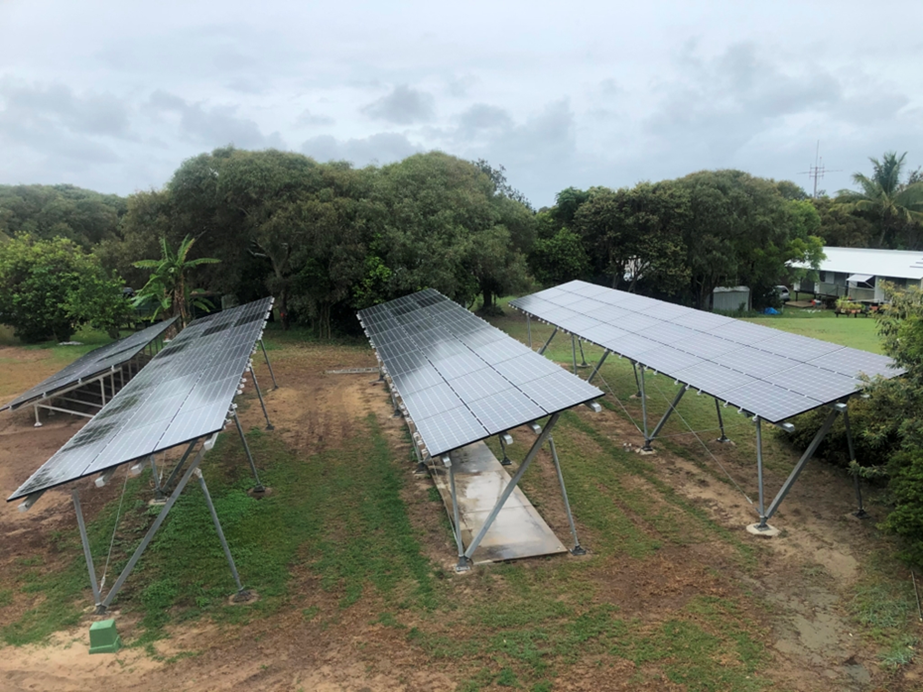
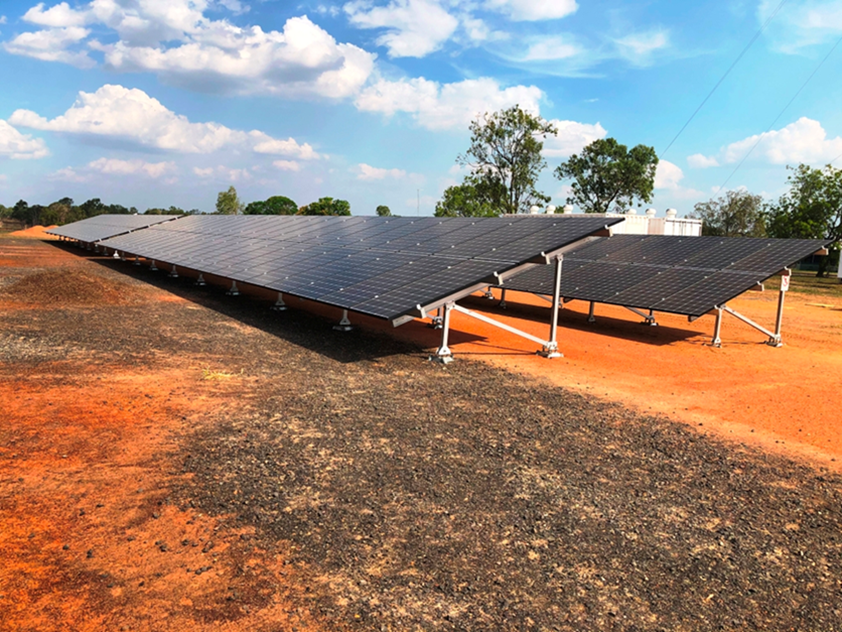
Two of our largest installations are at the Mon Repos Turtle Centre, and the Queensland Herbarium at the Brisbane Botanic Gardens. As well as these large, grid-connected systems, remote-area solar power systems in ranger stations across the state are reducing emissions from diesel generators.
In addition, over 600 kilowatts of solar panels have been installed at National Park Ranger Bases, including K’gari, Diamantina, Welford, Rinyirru (Lakefield) National Park, New Laura, Boodjamulla National Park, Atambaya (Heathlands) Ranger base on Apudthama National Park, Blackdown Tablelands, Bribie Island, Taunton National Park and Girringun National Park.
Energy audits of park bases and offices continue with additional solar power systems being regularly installed.
| Date installed | Total PV solar power (kW) |
|---|---|
| 2017–18 | 80.2 |
| 2018–19 | 120.1 |
| 2019–20 | 148.6 |
| 2020–21 | 508.0 |
| 2021–22 | 964.2 |
| 2022–23 | 1078.2 |
| 2023–24 | 1156.5 |
| 2024-25 | 1264.5 |
 Open larger image
Map of Queensland showing locations and sizes (kW) of the department’s PV systems (unnumbered sites are below 1kW)

Renewable electricity
As well as installing our own solar panels, 100% of the electricity purchased and used by the department is from renewable sources. This has had a significant impact on reducing our operational emissions.
Vehicle fleet
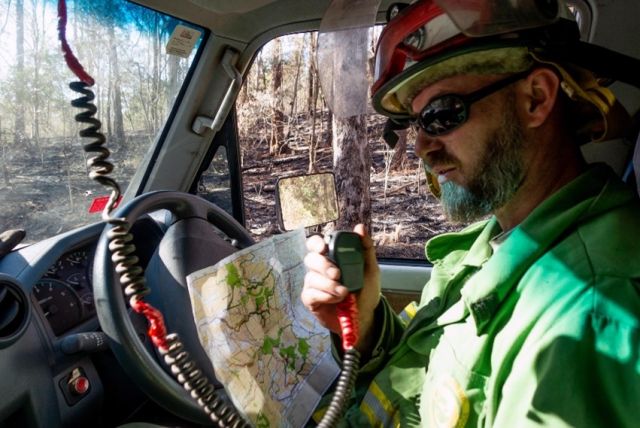
In an effort to reduce our fleet emissions, we have transitioned 97% of our small and medium sized leased vehicles to electric or electric/hybrid models. This includes 29 full electric vehicles.
Carbon stores and offsets
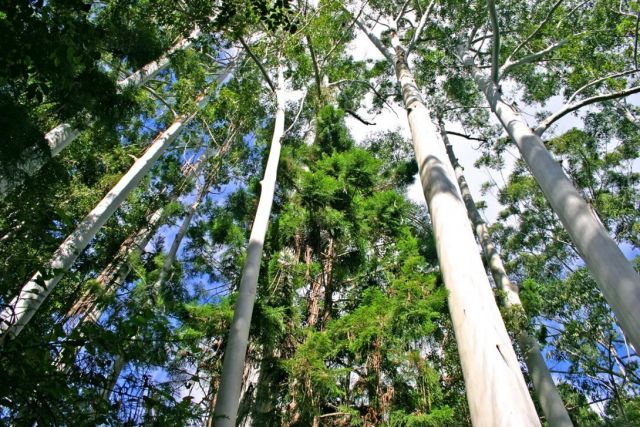
K’gari (Fraser Island), Great Sandy National Park
Our national parks and other land holdings are already absorbing significant amounts of carbon from the atmosphere and represent a massive carbon store. We will continue to secure these carbon stores for the long term.
Climate risk
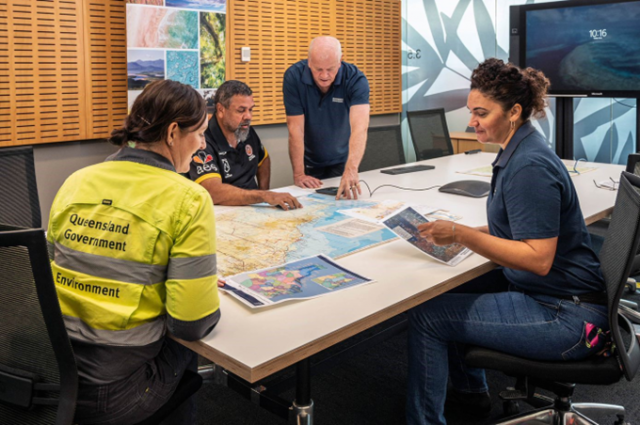
In addition to the actions we are taking to mitigate our carbon emissions, climate change impacts are an integral component of our department’s risk management processes.
Queensland already experiences climate extremes such as floods, droughts, heatwaves, and bushfires. Climate change is likely to exacerbate the frequency and/or severity of these events and can be an amplifier of these and other hazards.
The Queensland Climate Adaptation Strategy (PDF, 2MB) guides Queensland’s response to climate risks and we are leading by example through actions that include:
- the implementation of our Climate Risk Management Strategic Framework
- improvements to the department’s climate risk maturity
- controls and treatments to mitigate climate risks across the department.
Further climate information can be found at Queensland's climate adaptation strategy.