Issued: 27 August
5 mins read
There's something uniquely humbling about standing beneath a sky full of stars. Away from the perpetual glow of urban life, galaxies and constellations become so much more than a pretty twinkle off in the distance – they take on a level of spectacular detail that can make you feel incredibly small (in a good way).
For those looking to turn a night of star-spotting into something more memorable, guided stargazing experiences can add extra depth to the experience. Many are run by ecotourism operators who share stories about the landscape, local wildlife, and night sky, helping you build a stronger connection to the place you’re exploring.
Whether you're planning an outback adventure or looking for a dark-sky destination closer to home, Queensland offers plenty of places to pull up a chair, look skyward, and appreciate the universe from a different perspective.
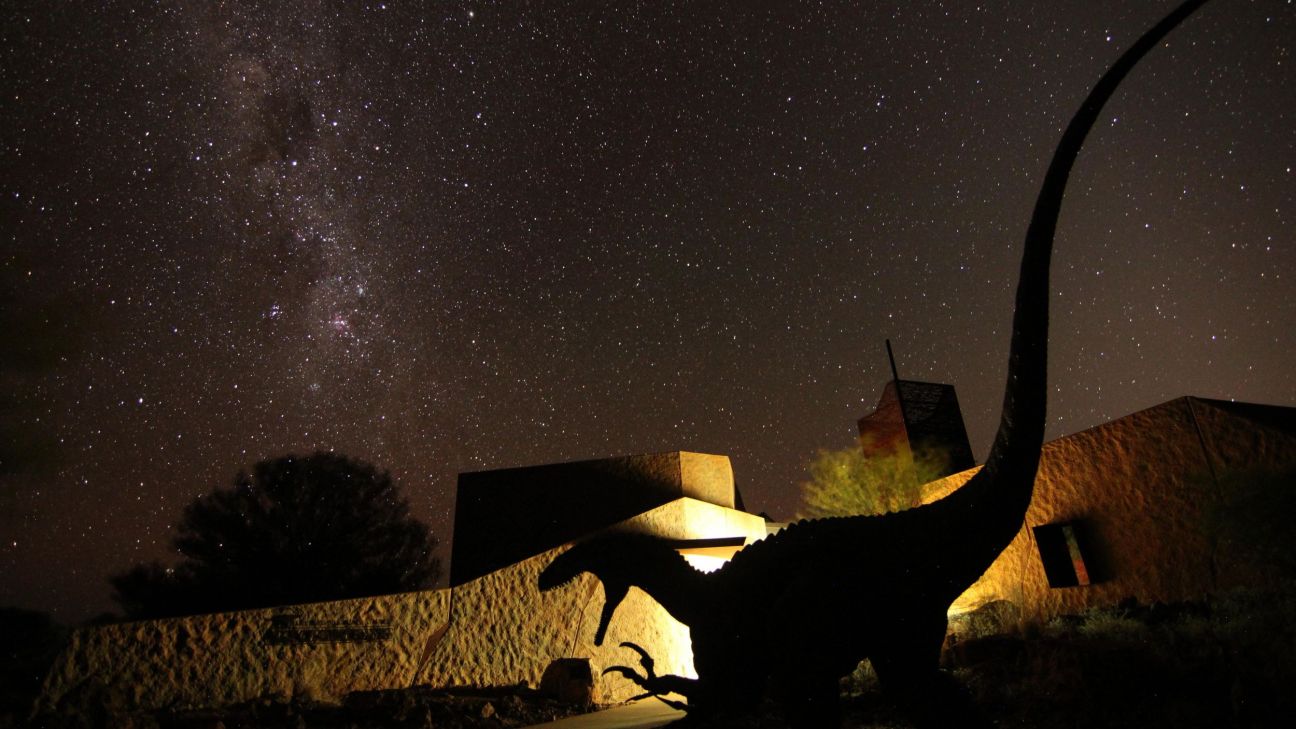
Winton and the Jump-Up Dark Sky Sanctuary
Best for: World-class dark skies and astrophotography
If there's one destination that deserves a place at the top of any Queensland stargazing list, it's Winton. The outback town recently became Queensland's first International Dark Sky Community, recognising both the quality of its night skies and the community's commitment to protecting them.
Nearby, the Jump-Up Dark Sky Sanctuary at the Australian Age of Dinosaurs Museum offers visitors the chance to experience some of the darkest skies in the state. On a clear night, the Milky Way stretches from horizon to horizon, while the region's dry climate and low levels of light pollution make it a favourite among astronomers and astrophotographers.
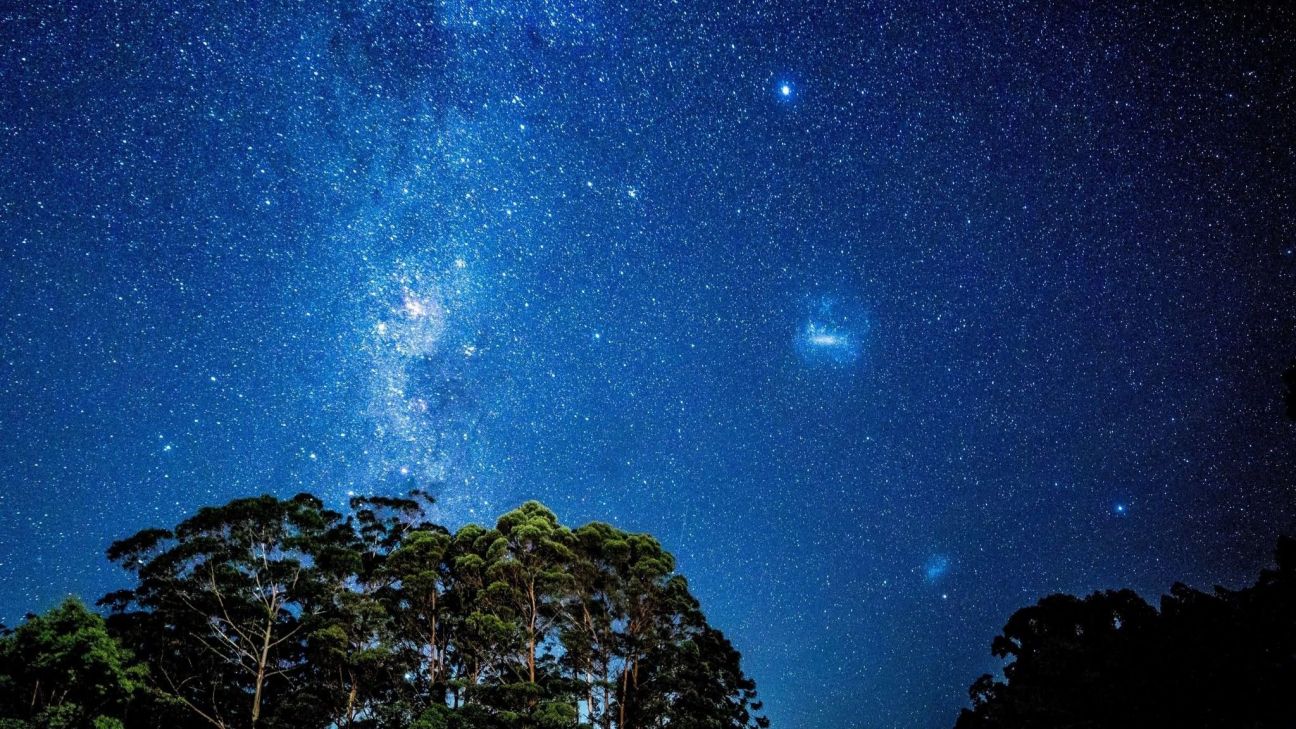
Sunshine Coast Hinterland Dark Sky Reserve
Best for: Stargazing close to South East Queensland
You don't need to travel to the outback for an impressive stargazing experience. In 2026, the Sunshine Coast Hinterland became Queensland's first Dark Sky Reserve, recognising the exceptional quality of its night skies and ongoing efforts to protect them.
Covering areas around Maleny, Montville, Mapleton, Witta, and Kenilworth, the reserve offers a rare opportunity to see thousands of stars within easy reach of Brisbane and the Sunshine Coast. Elevated landscapes and minimal light pollution help create ideal viewing conditions, making it one of the state's most accessible locations for astronomy enthusiasts.
Heading to the hinterland? Check out Visit Sunshine Coast for some hot tips on the best viewing sites, where to find observatories, and the best guided experiences in the area.
Carnarvon Gorge
Best for: Stargazing combined with nature and camping
By day, Carnarvon Gorge is known for its ancient landscapes and rich cultural heritage. By night, it transforms into one of the best stargazing spots in Queensland. The gorge’s remote location offers remarkably dark skies perfect for spotting the Milky Way.
Our tip? If you've got time during the Queensland school holidays, combine a day of hiking with a night at the campground watching constellations emerge overhead. When you're planning, just be aware that the Carnarvon Gorge National Park camping area is only available for use during the Queensland school holidays (but there are some year-round options right outside the park). If you’d prefer some assistance, guided astronomy experiences provide a closer look at the cosmos all year round.
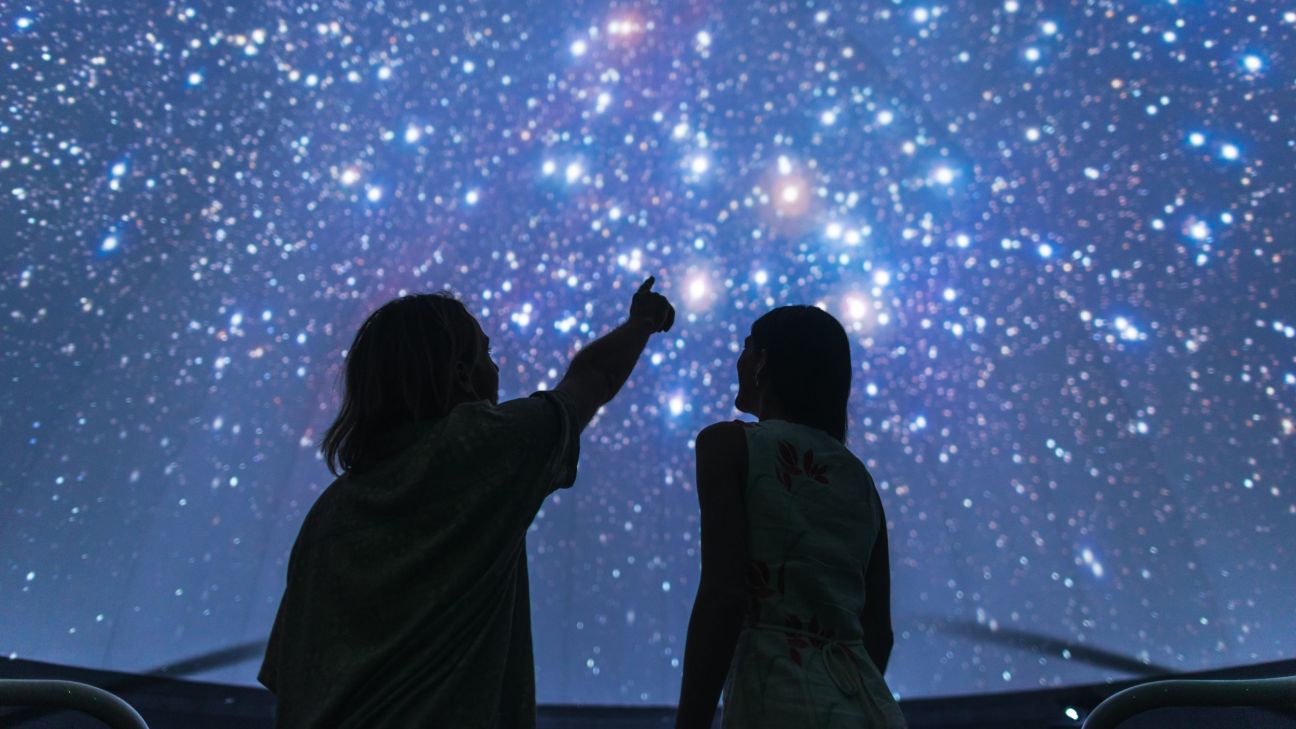
Charleville Cosmos Centre
Best for: Guided astronomy experiences
Few places in Queensland are as closely associated with astronomy as Charleville. The Charleville Cosmos Centre has helped introduce generations of visitors to the wonders of the universe through telescope viewing sessions and guided astronomy tours. With vast western skies and little artificial light, Charleville offers an ideal setting for spotting planets, nebulae, and distant galaxies while learning more about the science behind them.
Boodjamulla National Park (Aboriginal Land)
Best for: Remote outback night skies
In Queensland's far north-west, Boodjamulla National Park (Aboriginal Land) delivers the kind of night-sky experience that has become increasingly rare around the world. Its remote location, vast open landscapes, and minimal light create outstanding conditions for stargazing. On moonless nights, you can enjoy breathtaking views of the Milky Way and countless stars reflected against some of the state's most striking outback scenery.
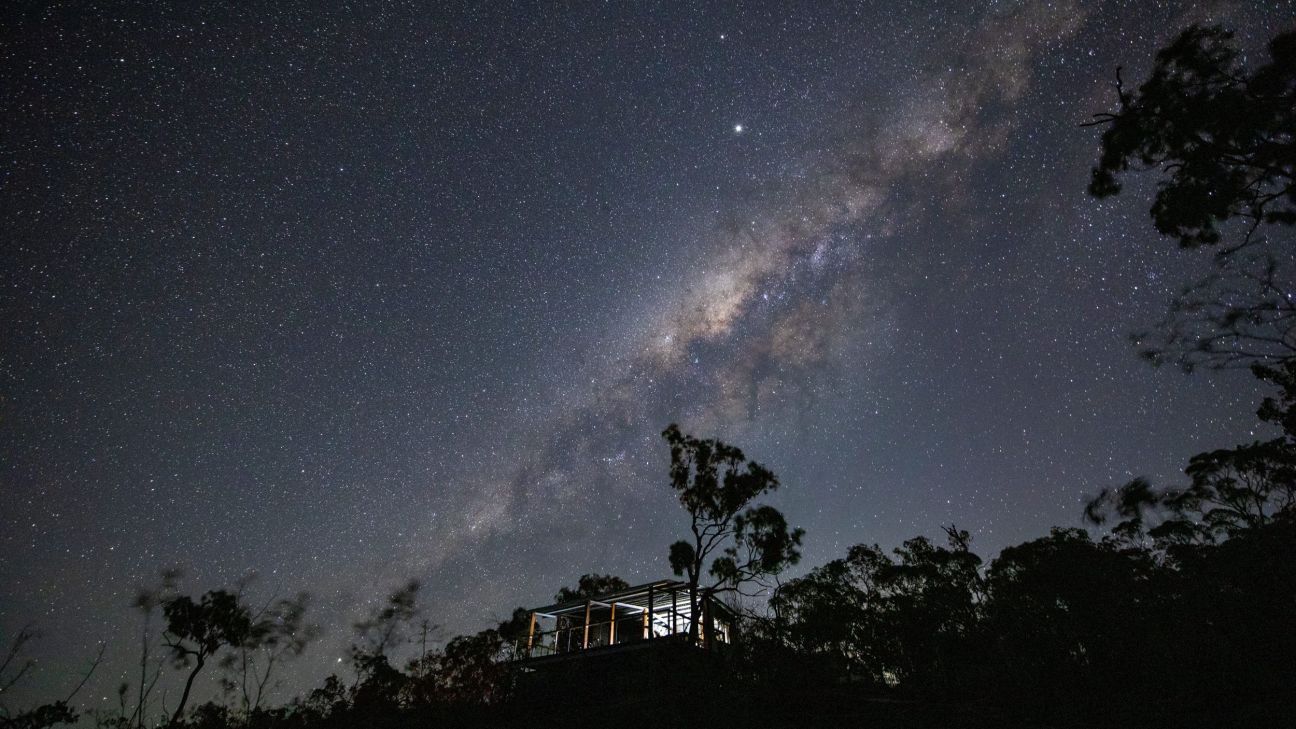
Cape York Peninsula
Best for: Seeing the night sky at its wildest
For travellers seeking a true wilderness experience, Cape York Peninsula offers some of the most pristine night skies in Australia. Its vast, sparsely populated landscapes mean there is very little to interfere with celestial views. Away from settlements, the stars appear exceptionally bright, creating unforgettable opportunities to observe southern constellations and meteor showers against a backdrop of remote northern Queensland wilderness.
Kingaroy Observatory
Best for: Beginner astronomers
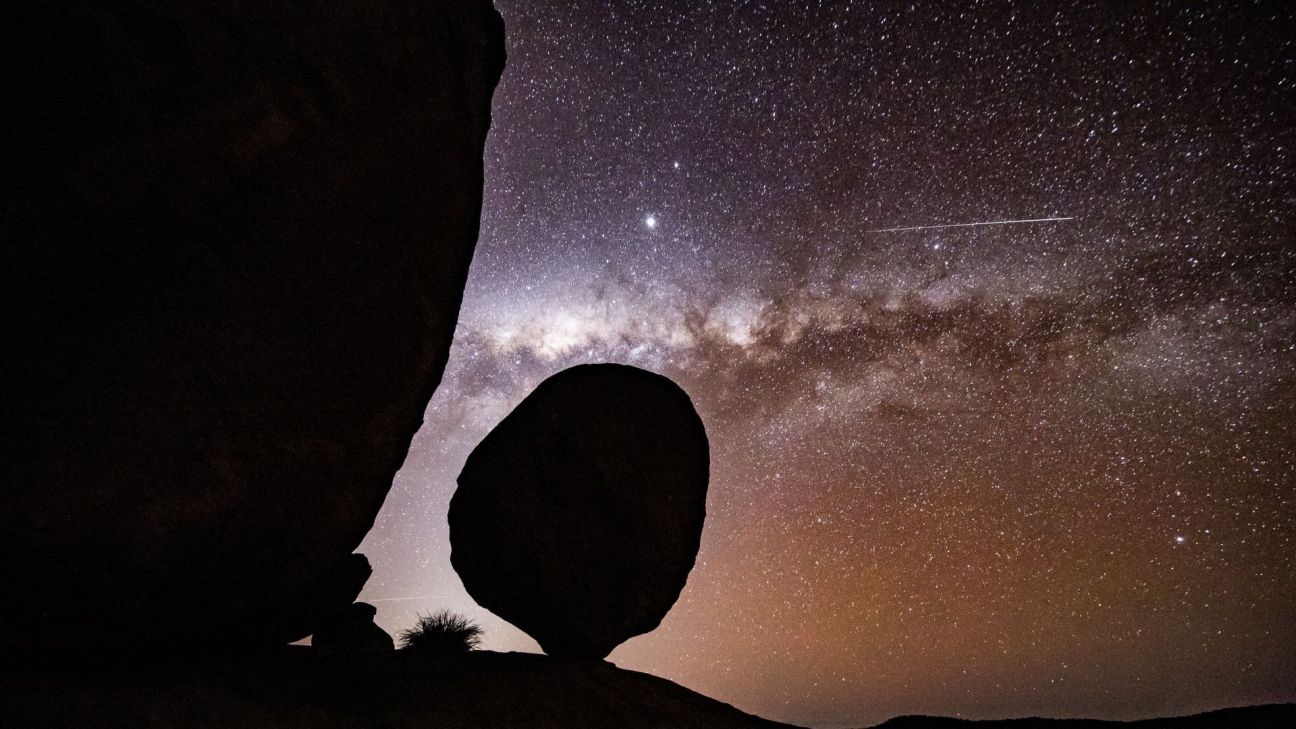
Looking to take your first steps into astronomy? Kingaroy Observatory offers a welcoming introduction. Located a few hours north-west of Brisbane, the observatory runs regular night-sky programs that explain the stories behind the stars while giving folks the chance to see celestial objects through powerful telescopes. It's an accessible option for families, school groups, and anyone curious about what lies beyond our atmosphere.
Granite Belt region
Best for: Stargazing and luxury getaways
The Granite Belt is best known for its cool climate, wineries, and dramatic landscapes, but it also offers excellent night-sky viewing. Higher elevations, relatively dry conditions, and distance from major urban centres combine to create a stunning backdrop for what’s above.
There are loads of private accommodation and camping spots available in the region that are completely tucked away from the glow of small towns – pop locations like Lake Moogerah, Main Range National Park, and Mount Barney National Park in your search engine to get started. Whether you want an affordable off-grid adventure or something a little more structured, there are plenty of options for all tastes (and budgets).
Sir Thomas Brisbane Planetarium
Best for: Stargazing close to The City
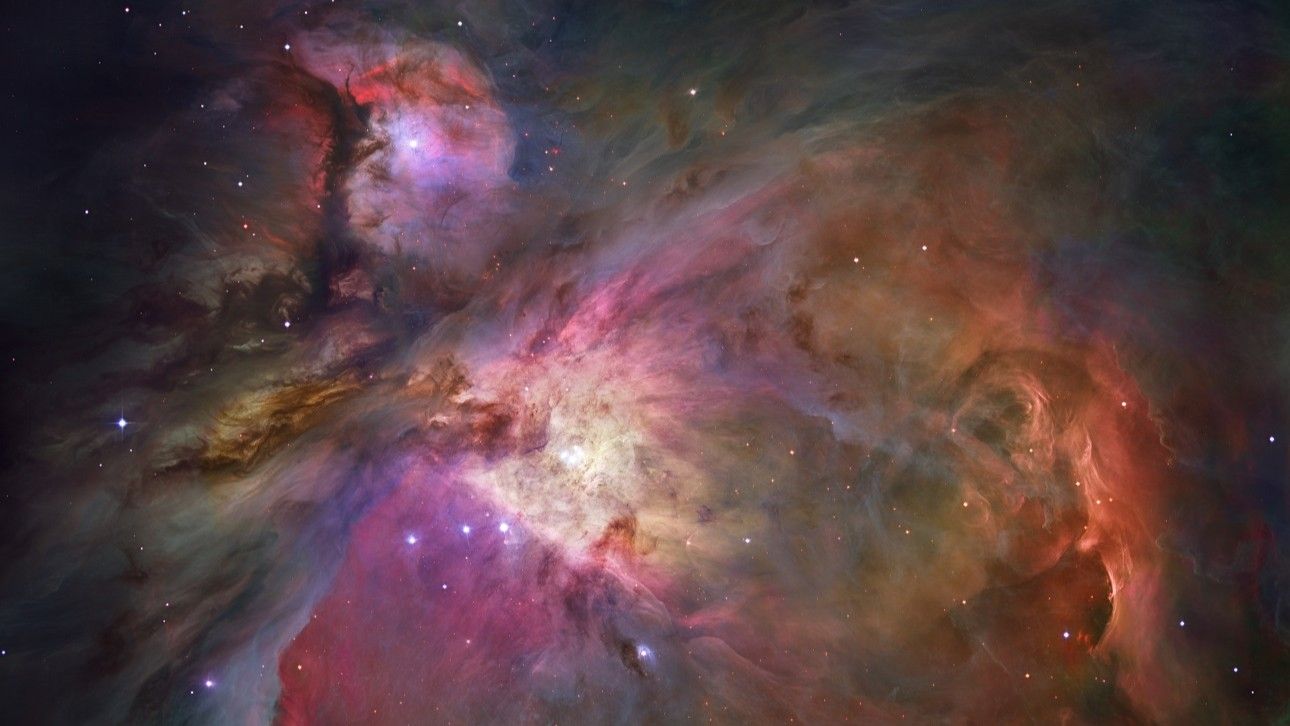
If you live in Brisbane and can’t make the trek out to darker skies, there’s a fabulous alternative perched atop Mount Coot-tha – the Sir Thomas Brisbane Planetarium. While you won't experience the same ink-dark skies found in remote parts of Queensland, the planetarium offers a fascinating introduction to astronomy without leaving the city.
Home to the Cosmic Skydome and a range of astronomy exhibits, the planetarium takes you on a journey through the night sky, helping you identify constellations and planets visible throughout the year. It's also a great place to build your stargazing skills before heading to one of Queensland's dark-sky destinations, giving you the knowledge to recognise what you're seeing when you eventually step beneath a truly star-filled outback sky.
Honourable mentions
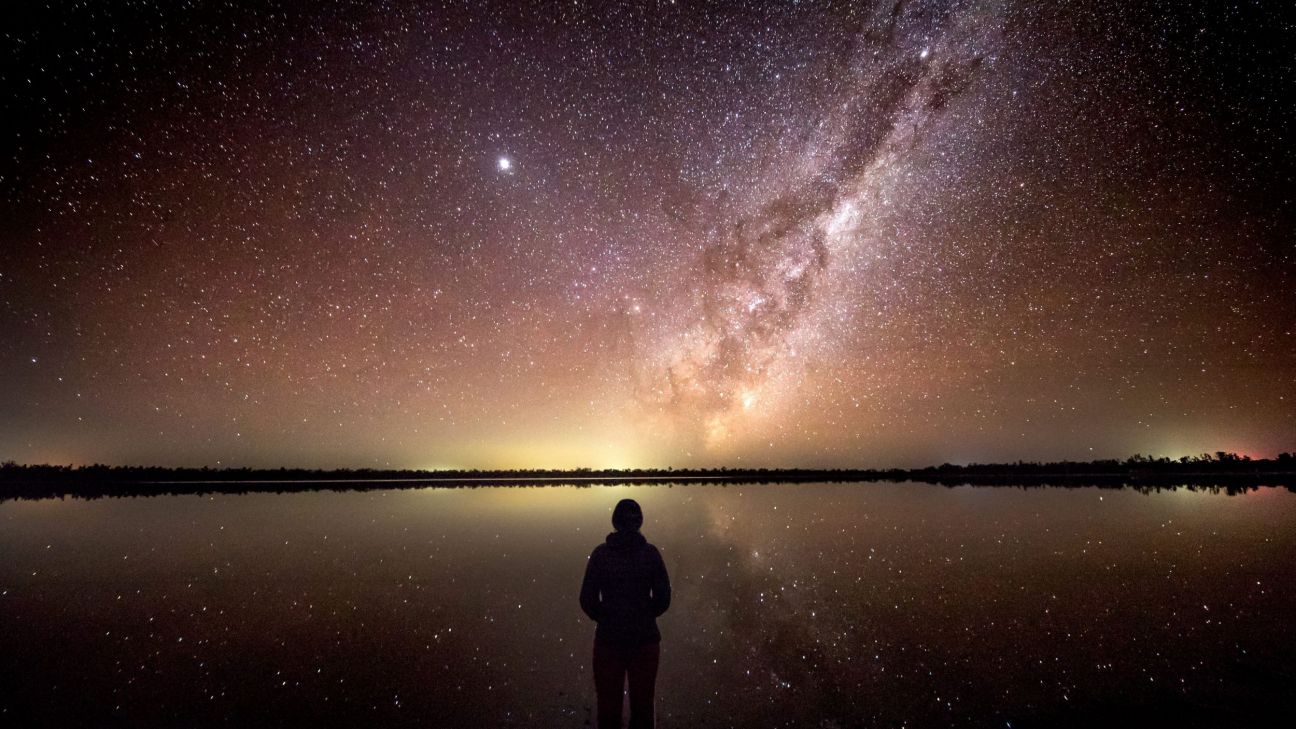
Queensland is bursting with starry spots to enjoy some celestial action – if you’re looking for clear, dark skies, here are some areas worth exploring.
- Lamington National Park, Brisbane and Gold Coast
- Lake Broadwater Conservation Park, close to Dalby
- Clairview Beach Foreshore, Mackay Isaac region
- Whitsunday National Park islands, Whitsundays
- Byfield National Park, Capricorn Coast
Stargazing tips
To make the most of a night under Queensland's spectacular skies, a little preparation goes a long way.
- Research your stargazing destination and site before you go. To stay safe while stargazing in a national park, visitors should remain in designated areas and avoid venturing off-track, particularly after dark when visibility is limited.
- Check the moon phase. The best stargazing is usually during a new moon or when the moon is below the horizon – bright moonlight can wash out fainter stars and the Milky Way.
- Get away from artificial light. Even small amounts of light pollution can reduce visibility. If possible, move away from areas with bright lighting.
- Give your eyes time to adjust. It takes around 20–30 minutes for your eyes to fully adapt to the dark. Avoid looking at phone screens and use a red-light torch if you need illumination.
- Look up later in the evening. The darkest skies are generally found a few hours after sunset, once twilight has completely faded.
- Dress for the conditions. Outback Queensland can become surprisingly cold after dark, particularly in winter, so bring an extra layer.
- Use a stargazing app. Apps like Sky Guide, SkySafari, or Stellarium can help identify planets, constellations, and satellites.
- Bring binoculars. You don't need a telescope to enjoy the night sky. A simple pair of binoculars can reveal star clusters, craters on the Moon, and even some distant galaxies.
- Watch the weather forecast. Clear, dry nights will provide the best viewing conditions, while cloud cover and humidity can reduce visibility.
Newsletter
Get involved and stay informed with our handpicked environmental news, tips, and stories sent directly to your inbox.