Issued: 10 August
6 min read
Wondering how to save electricity without making big lifestyle changes? A few simple tweaks around the house can reduce your energy consumption and help keep more money in your pocket. From smarter lighting choices to getting the most out of your appliances, these practical tips can help you lower your power bill and your environmental footprint.
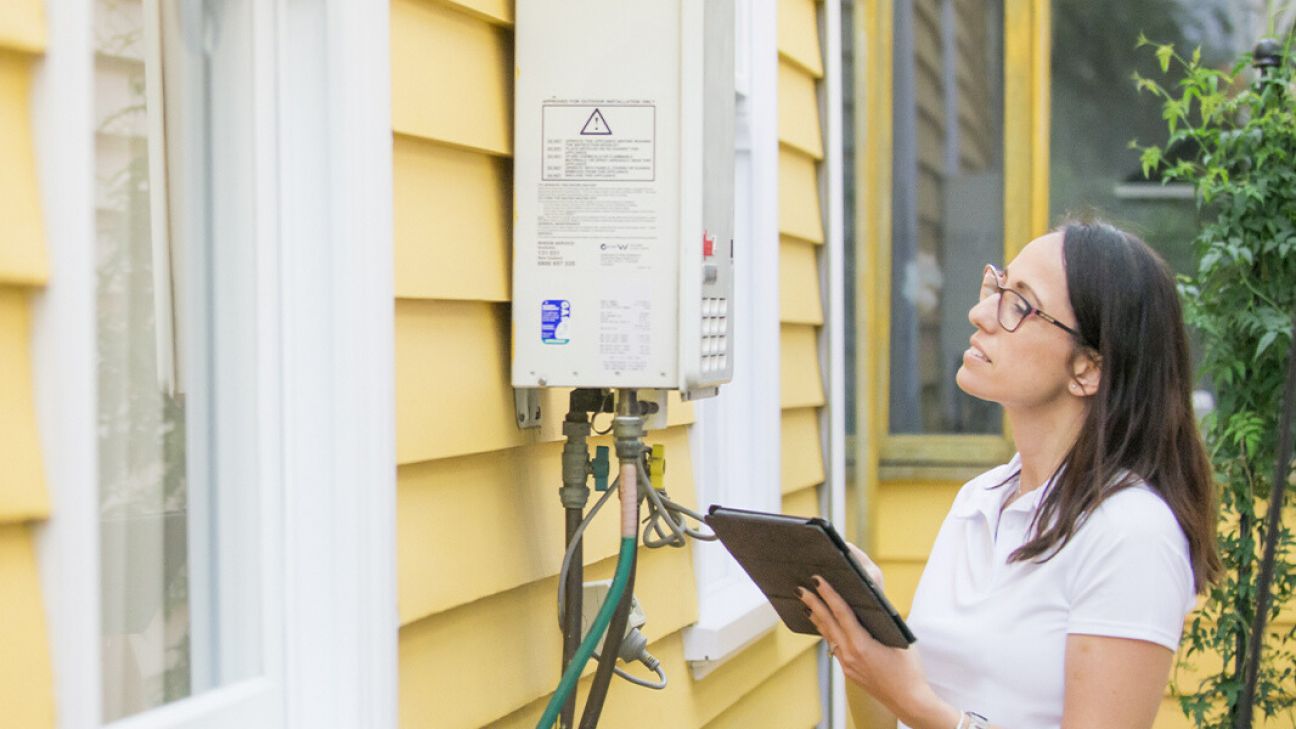
Getting a professional auditor to find inefficiencies in your home energy usage can help you address the root cause of any wastage.
Get the whole picture
When it comes to lowering energy costs, knowing your weak spots is crucial. If you’re feeling overwhelmed, doing an audit of your existing energy usage is a great place to start. The Home Energy Rating program can help you find blind spots in your energy usage. A government-accredited assessor can sniff out energy inefficiencies and provide sustainable solutions for your home.
Shop around
Whether it’s car insurance or superannuation, plenty of folks stay with the same provider for years out of habit or convenience – you’re not alone. However, shopping around can save you bundles.
Energy Made Easy is a free, independent government resource that helps you compare prices and get the best deal for your circumstances. All you have to do is plug in your postcode, current provider/s, and some details about your previous bills to get a thorough comparison of the services in your area.

Set the mood and save some energy with dimmable lights - you can even install systems to control your lighting from your smartphone.
See the light
Did you know lighting makes up around 10% of the average household energy bill? Unless you’re leaning into a moody candlelit vibe, lights are non-negotiable in most houses – so opting for energy-efficient light bulbs is a no-brainer.
Not a fan of bright overhead lighting? Embracing lamps and dimmer switches is a great way to both create a calm atmosphere and conserve energy. It’s also worth getting into the habit of only lighting rooms you’re using. Make it a household rule that the last person to leave a room has to switch the lights off.
Switch off
Complacency (read: being a little bit lazy) is one of the biggest roadblocks to being energy efficient. Standby power can account for more than 10% of your household electricity use – that’s a lot of idle appliances wasting energy. The solution? Make a habit of switching items off at the power point when not in use.
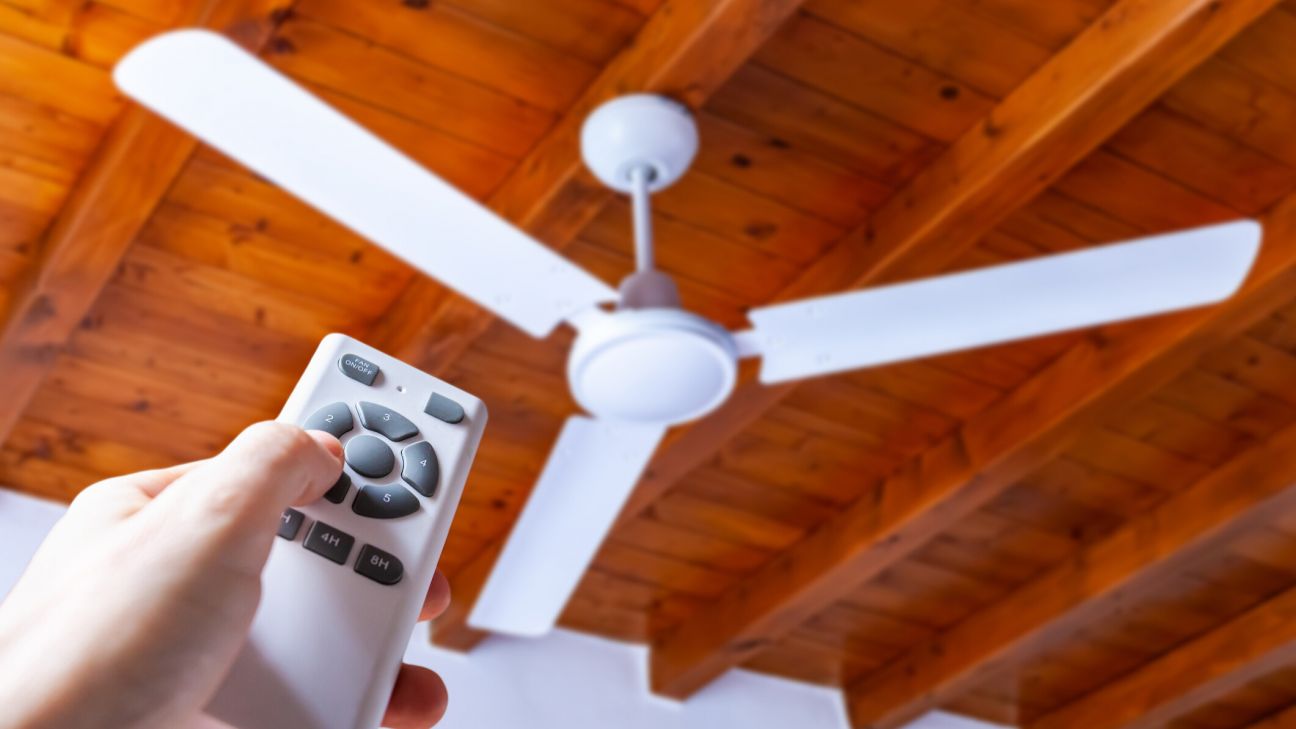
Putting your ceiling fans to work instead of opting for air-con can greatly bring down your power bills.
Hack your home temperature
Temperature can make or break how comfy you feel at home – heating and cooling can take around 40% of your energy budget. Cutting down costs can be as simple as making a few smart swaps – here are our favourite energy-saving tips in the temperature space.
Work with the weather: Keep blinds and curtains open in winter for natural warmth, and close them in summer to cut through the heat.
Be a fan of fans: Ceiling and pedestal fans are a much more energy-efficient way to keep a room cool than air-con.
Layer up: Beat the chill with cosy blankets, jumpers, or trackies before reaching for that heater remote.
Be air-con intelligent
If you just can’t part with your temperature-controlling appliances, there are some things you can do to minimise their running costs (and environmental impact).
Go for the energy-efficient option: Appliances due for an upgrade? Opt for an air conditioner or heater with a high energy efficiency rating. When you factor in the steep running costs of these sorts of machines, more energy stars mean more money saved long-term.
Set and forget: Set your system to 24°C in summer and 18°C to 20°C in winter – these ranges will keep you comfy year-round.
Slow and steady: Resist the urge to crank the air-con up or down – it’s more energy efficient to let the temperature adjust slowly.

Switching to solar is a great way to cut down your energy bills (and emissions!).
Consider solar power
One of the most tangible ways to move towards true sustainability is by embracing natural resources. If you’re in a position to make changes to your home, consider solar power. A form of clean energy and a financially intelligent decision, it can save you money long-term.
Curious about the sun-powered life? The Australian Government’s Solar Consumer Guide is a great starting point. It covers pricing, installation, choosing the right provider, and the technology behind solar energy.
Optimise your work-from-home setup
Since the early days of the pandemic, working from home and hybrid working schedules have boomed. If you work from home either full- or part-time, it can have more of an impact on your energy usage than you think. WFH adds around $340 in summer and $324 in winter to your quarterly electricity bill, with the biggest energy-suckers being heating and cooling. So, what can you do to bring those numbers down?
Get savvy with temperature control: Nobody wants to be sweating over spreadsheets or shivering through strategy meetings, but there are smart ways to cut down your heating and cooling costs if you’re home all day.
Say “bye” to standby mode: It can be very annoying to turn everything off at the wall when you’ve got monitors, laptop chargers, and other electronics on the go. Make it easy with a power board – you can arrange your devices on different boards in order of how often you use them.
Go digging for deals: As mentioned earlier, your current energy provider may not be giving you the most bang for your buck. Hunt for the best deals, paying particular attention to off-peak pricing that suits your work schedule.

Ditch the dryer and make friends with your clothesline.
Clean up your (laundry) act
Your laundry is one of the places in your home where energy usage can stack up – fast. The easiest way to bring down your bills here is to make the most of natural resources. When possible, ditching the dryer and opting for the clothesline or a clothes rack can help cut down electricity costs.
If you can’t avoid a tumble dry, make sure your appliance is running efficiently – clean out the lint filter after every use. The cold-water cycle on your washing machine is a good way to conserve energy – just make sure you check clothes labels for washing instructions first.
Get creative with your kitchen
The kitchen is an area that sees a lot of action, which can translate to higher bills. Here are some quick wins you can implement to bring down your kitchen costs.
Fight food waste: Did you know the average Aussie household wastes about 4 kilograms of food per week? This translates to a lot of dollars down the drain. Combat food waste by only cooking what you need, embracing leftovers, and storing produce to help it last longer.
Check your seals: Ever noticed your fridge door open when you swear you shut it? Your fridge and oven seals can degrade over time, which leads to heat and cool air escaping. This means your appliances are working overtime to do their job – no thanks. Check your seals and replace them if needed.
Optimise your fridge: Good ventilation keeps your fridge running optimally, so make sure it’s got space to breathe – we’re talking a 5-centimetre gap minimum all the way around. Vacuuming your fridge coils may not be the most exciting job, but it can clear out dust and make your appliance more efficient. Set your fridge at 5°C and your freezer between -15°C and -18°C.
Be diligent with your dishwasher: Being frugal with your dishwasher habits can have a positive impact on your electricity bills! Only run your dishwasher when it’s full, keep the filter clean, and use the economy setting for everyday loads.
Newsletter
Get involved and stay informed with our handpicked environmental news, tips, and stories sent directly to your inbox.