Issued: 26 October
4 mins read
You’ve probably seen horror stories about exotic animals being smuggled and traded by notorious international criminal networks – but did you know that wildlife trafficking also happens right here in Queensland?
Whether it’s lizards stuffed into parcels or protected birds being sold online, the illegal wildlife trade is a serious threat to our extraordinary variety of native species – and it’s closer to home than most people realise.
Wildlife trafficking isn’t just about rare animals being stolen. It’s a global black market that fuels cruelty, impacts biodiversity, and adds extra pressure to threatened species. We’re here to explain what the illegal wildlife trade is, how it harms our environment, and what’s being done to stop it – including how you can help protect Queensland creatures that might be at risk.
What is the illegal wildlife trade?
The illegal wildlife trade involves wild animals, plants, or wildlife products being taken, kept, moved, bought, or sold unlawfully.
Not all wildlife trade is illegal. In Queensland, some native wildlife can be legally kept, bred, or traded under licences and permits that help protect species and monitor wildlife movements.
The trade crosses into illegal territory when wildlife is collected without permission, protected species are traded without the required approvals, or people attempt to move wildlife outside the rules designed to protect it.
Here are a couple of simple examples.
Legal wildlife trade:
A person buys a captive-bred python from a licensed breeder and follows the permit requirements for keeping native wildlife.
Illegal wildlife trade:
Someone takes a wild lizard from a national park and sells it online without the approvals required to collect or trade native wildlife.
Why is Queensland part of the conversation?
Queensland is home to thousands of native species that live in some of Australia's most diverse ecosystems. Our legislation protects native birds, reptiles, mammals, and amphibians along with selected fish, invertebrates, and other wildlife. Indigenous Australian plants also fall under this umbrella.
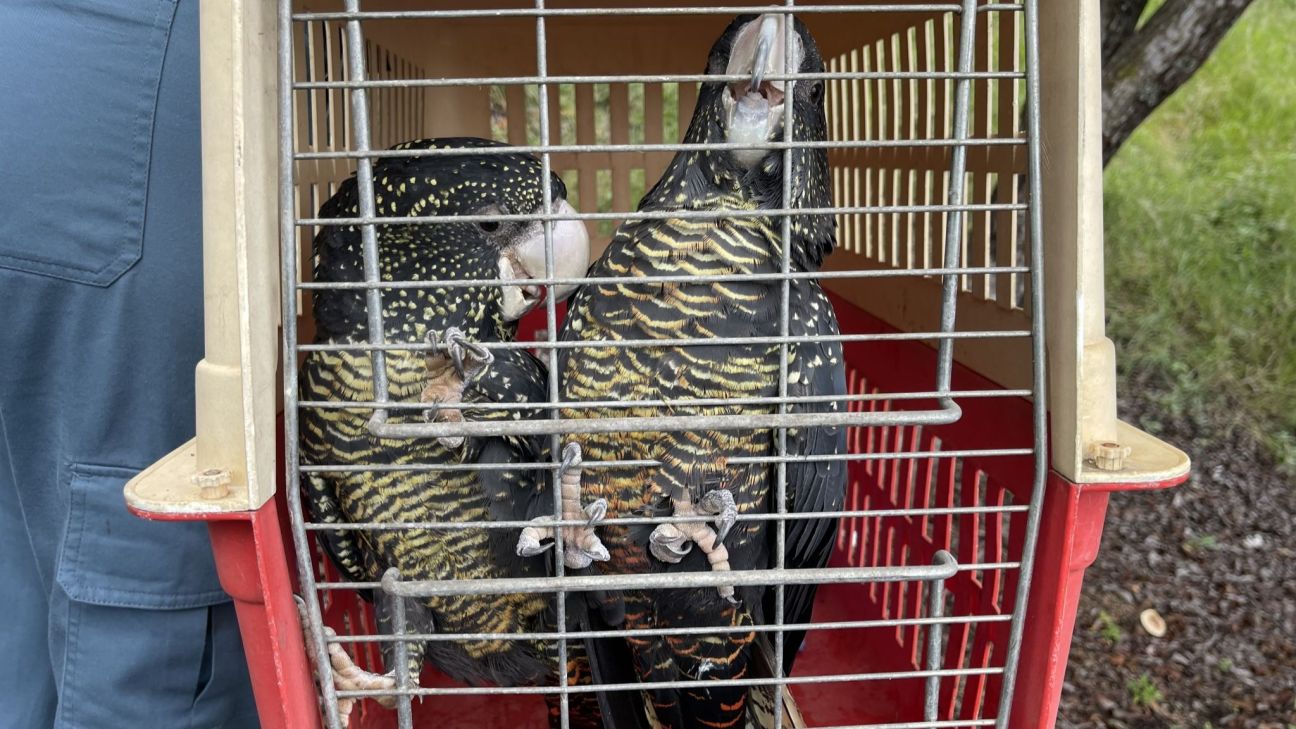
Unfortunately, the uniqueness of Australian wildlife can make certain species attractive to buyers and collectors – both at home and in the global wildlife trade. Reptiles are a well-known example, with Australian lizards being sought after in some parts of the world because of their appearance and rarity. In one wildlife smuggling case, native lizards were discovered hidden inside rice cookers destined for overseas markets.
What happens when wildlife is removed from the wild?
It can place pressure on wildlife populations
Every animal taken from the wild is one less animal contributing to the next generation. For species that reproduce slowly or already face challenges in the wild, even small losses can have consequences. People often manage wildlife populations with care because healthy numbers today help keep species in Queensland’s landscapes later.
It affects biodiversity
All wildlife plays a critical role in keeping our ecosystems functioning – birds disperse seeds, insects pollinate plants, and predators help keep some populations in check. When species disappear from an area, these connections can be disrupted. Over time, changes to one species can cause a ripple effect that impacts many others.
It raises animal welfare concerns
Wild animals are adapted to specific environments and conditions. When people capture and transport live animals illegally, those conditions disappear. Investigations have uncovered reptiles concealed in packages with little space to move and no access to the conditions they need to survive. Dehydration and starvation during transit cause very high death rates among trafficked animals.
It can create biosecurity risks
Wildlife can carry diseases, parasites, or organisms that can pose a huge risk if they end up in the wrong place. That's one reason why Australia has such strict biosecurity rules – illegal trade creates pathways for pests and diseases to spread, endangering native species and natural environments.
What are people doing to prevent the illegal wildlife trade?
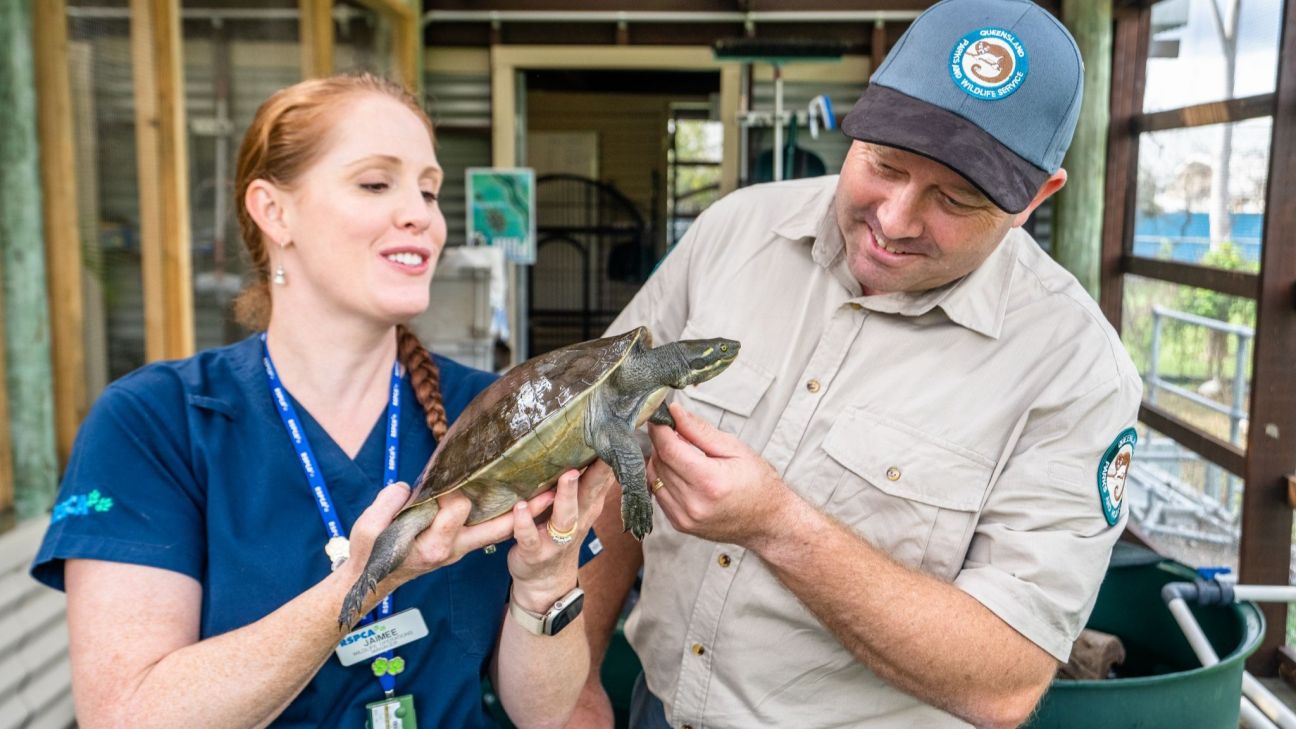
Stopping the illegal trading of wild animals takes more than laws alone. It involves wildlife officers, researchers, governments, community groups, and everyday people working together to protect species before they become at risk.
Wildlife laws and enforcement
Queensland has laws that regulate how native wildlife can be taken, kept, moved, and traded. These laws help ensure wildlife isn't removed from the wild or sold without the appropriate approvals. Offenders can face serious fines and even prison sentences for wildlife crimes.
Wildlife officers investigate reports of suspected illegal activity and conduct compliance operations, working closely with other enforcement agencies when they detect offences. Their work helps protect vulnerable species and discourages illegal collection and trade.
Licensing helps keep wildlife trade accountable
Some native species can be legally kept under licence. Licensing systems help authorities monitor wildlife ownership and ensure animals have been obtained through legal channels. By tracking wildlife movements and ownership, these systems make it harder for illegally trafficked animals to enter legitimate markets.
Working across borders
The illegal wildlife trade often extends beyond state and national boundaries. Queensland works alongside Australian and international agencies to share information, investigate offences, and help disrupt wildlife trafficking networks. This cooperation is especially important for species that are traded internationally, as wildlife can move through multiple countries before reaching buyers.
Monitoring wildlife populations
Scientists and conservation specialists regularly monitor wildlife populations to better understand how species are faring in the wild. This research helps identify species that may be vulnerable to illegal collection, as well as providing valuable information to guide conservation programs, compliance activities, and recovery efforts.
Helping wildlife recover
When animals are rescued from illegal trade, they may require specialist care before they can be returned to the wild. Wildlife carers, veterinarians, and rehabilitation organisations play an important role in treating injured animals and giving them the best chance of recovery. In some cases, rehabilitated wildlife can be released back into suitable habitat.
Raising awareness
Education is another important part of the solution. Many people don't realise that buying wildlife, collecting native plants, or keeping certain animals may require permits or licences. By helping people understand the rules and the importance of protecting biodiversity, governments and conservation organisations can reduce demand for illegally traded wildlife.
How you can help
Most people will never encounter the illegal wildlife trade directly, but there are practical ways to help protect wildlife.
- Before buying wildlife or wildlife products, make sure they have been obtained legally and from reputable sources.
- If you're interested in keeping native wildlife, check what licences or permits you might need.
- If you see suspicious activity involving native wildlife, call the Queensland Government’s 1300 ANIMAL hotline or submit a Wildlife Complaint Report form via the Queensland Government website.
- Just as importantly, take the time to learn about the species that live in your local area. Understanding their value is one of the strongest foundations for protecting them.
Newsletter
Get involved and stay informed with our handpicked environmental news, tips, and stories sent directly to your inbox.