Issued: 24 June
5 mins read
Artificial reefs are a remarkable blend of human design and natural change. Whether purpose-designed – such as sunken ships or concrete modules – or accidental, these structures become the foundation for new marine habitats.
At first, they are little more than bare surfaces in the ocean’s vast expanse. Soon, however, they are colonised by pioneering organisms: algae, bacteria, and tiny invertebrates. These early settlers form a living skin that attracts larger organisms. Sponges soften hard edges, corals begin their slow construction, and fish find shelter in the growing complexity. Through patient layering of life, what begins as an imprint of human presence evolves into a vibrant marine ecosystem shaped by tides and time.
When thoughtfully designed and managed, artificial reefs can reduce pressure on natural reefs.
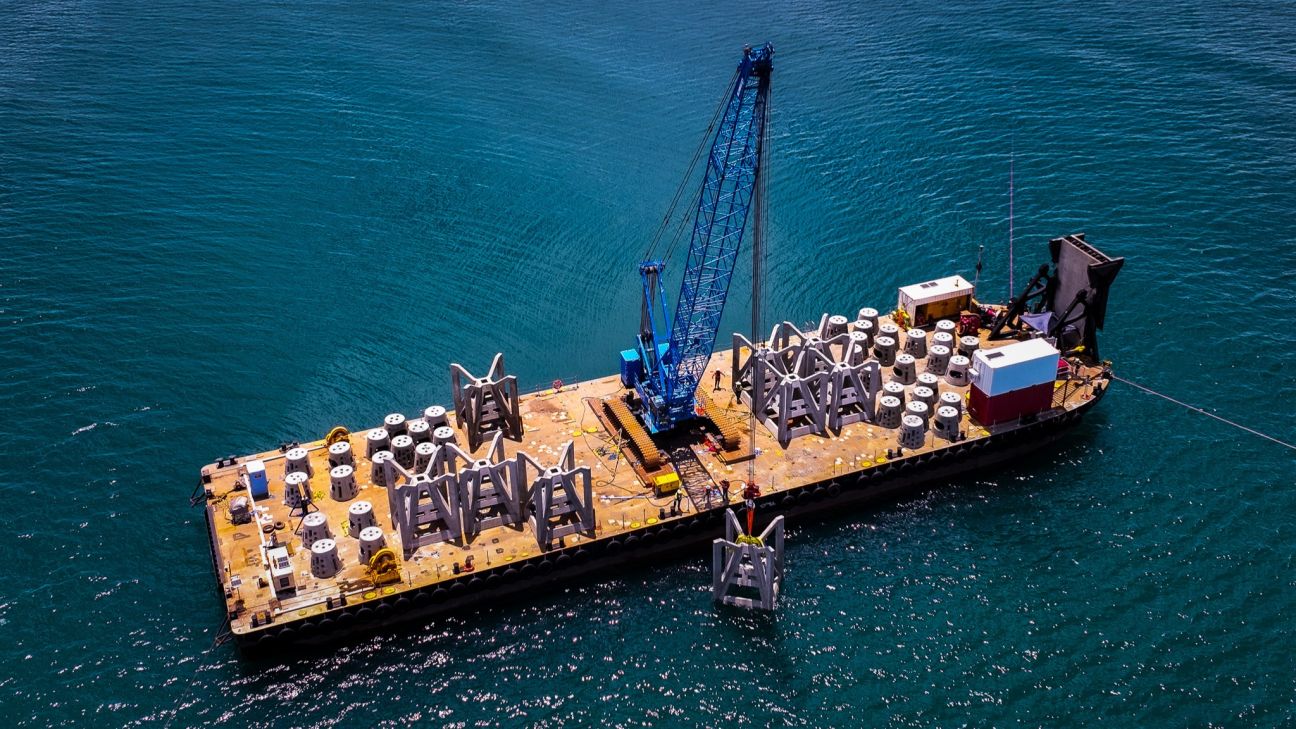
Artificial reef structures getting deployed in a carefully considered location.
1. Creating an artificial reef: art and science
Building an artificial reef is far more complex than simply dropping materials into the ocean. It requires a careful blend of environmental science, engineering, and long-term planning. Location is critical: marine biologists and scientists study water depth, currents, seabed composition, and existing marine life to select sites where reefs will thrive without causing unintended harm.
2. Thoughtful design and safe materials
Artificial reefs are intentionally designed. Government agencies engage engineers, marine biologists, and interest groups to create structures that are fit for purpose. Materials, from decommissioned ships for a dive site to purpose-built modules to enhance maritime activities, are thoroughly cleaned and treated to prevent pollution. The structures must be durable – able to withstand harsh marine conditions like strong tides, currents, cyclones, and corrosion – while remaining environmentally compatible and stable for years to come.
3. Deployment
Once constructed, these structures are carefully deployed onto the sea floor using specialised equipment and teams. As soon as they are in place, nature commences its work, and marine life begins to explore the new structures and slowly settles in.
4. Monitoring and stewardship
Artificial reefs are not “set and forget” projects. Ongoing monitoring is essential for marine biologists to track biodiversity, fish populations, and ecological impacts, ensuring reefs continue to support marine life effectively. They also conduct safety audits to ensure reefs are safe for divers, snorkellers, and fishers to visit. Sustained oversight helps reefs foster biodiversity, support sustainable tourism, and maintain environmental health.
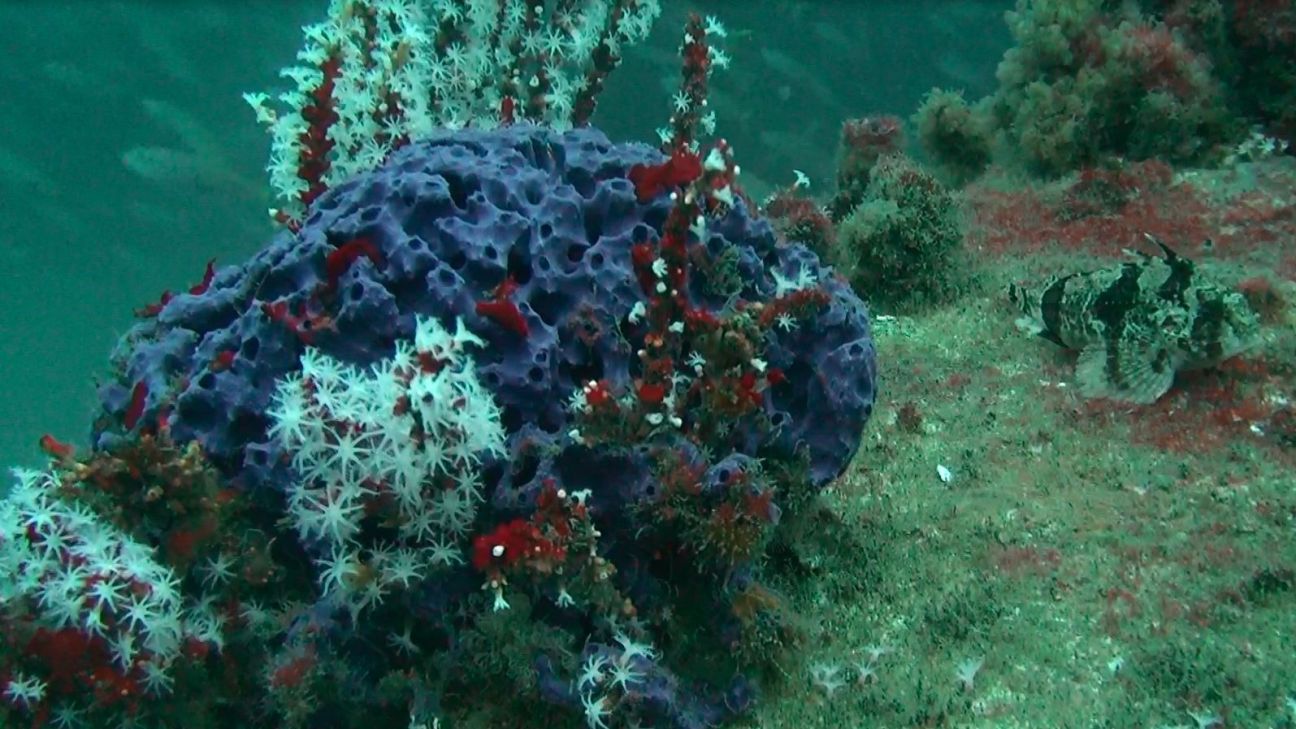
Artificial reefs become vital underwater habitats.
Purposes and benefits of artificial reefs
Artificial reefs support marine ecosystems and address major challenges facing our oceans. They provide safe havens for marine life, especially in areas where natural habitats have been damaged. By creating new underwater habitats, these reefs help restore ecological balance.
They also help alleviate pressure on natural reefs, offering alternative sites for marine species and giving natural reefs time to regenerate. This is especially important for regions impacted by climate change and fishing pressures.
Artificial reefs serve as valuable research and education sites, enabling scientists to study marine biology, restoration techniques, and the effects of human intervention. Insights gained here inform better strategies for protecting natural reefs.
Beyond ecology: economic and coastal benefits
The benefits of artificial reefs extend beyond the environment. They boost local economies by attracting divers, snorkelers, and fishers, stimulating tourism, and creating jobs in coastal communities. For fishers, these reefs enhance fish stocks by providing new breeding and feeding grounds, supporting more sustainable practices.
While reef formation can take years or even decades, it shows the resilience and adaptability of marine ecosystems. However, artificial reefs are not a substitute for protecting natural habitats.
Ultimately, artificial reefs teach us that restoration is not about control, but participation: place something in the world with care, then allow nature to respond in its own way.
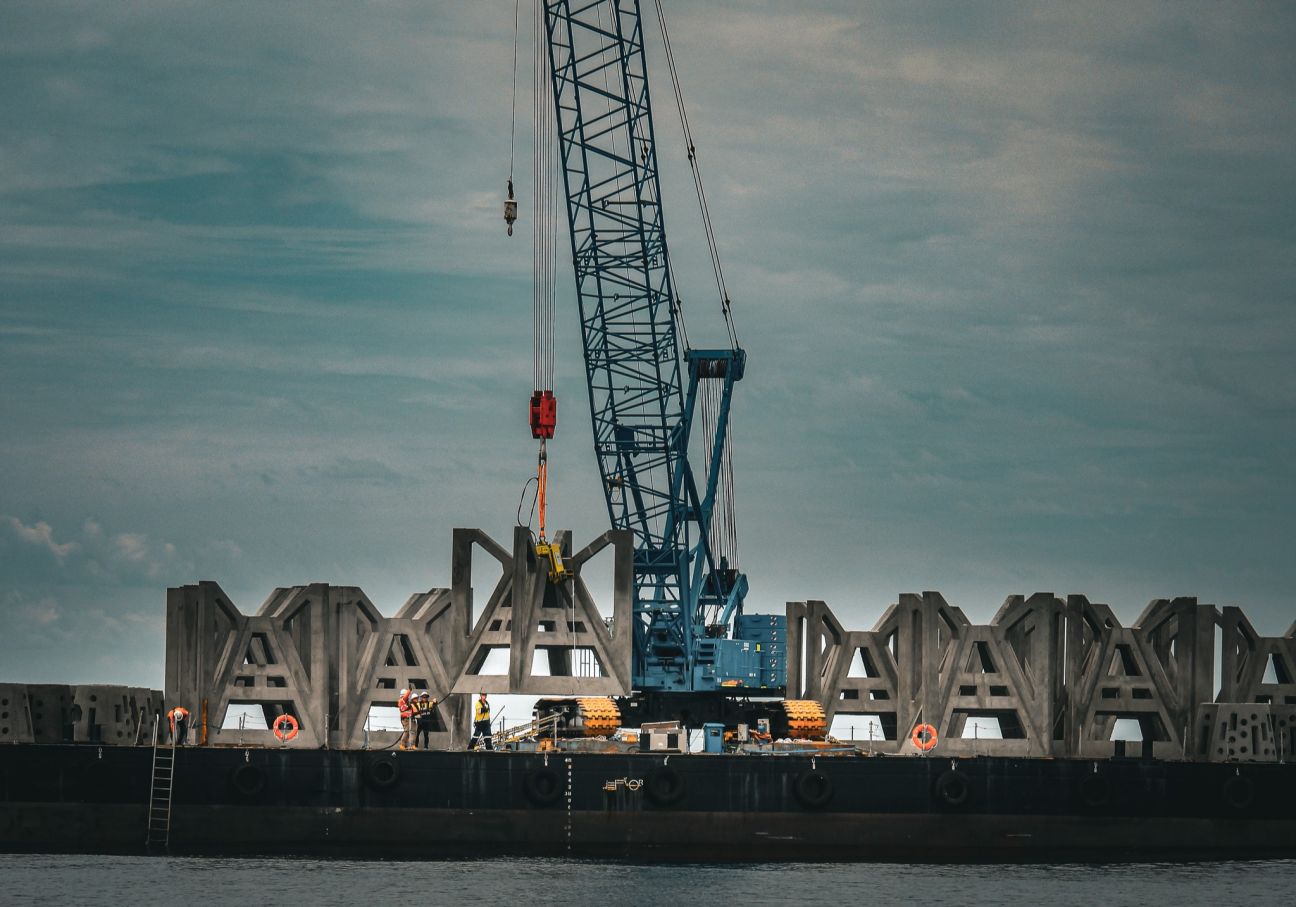
In progress – capturing the placement of an artificial reef structure.
Artificial reefs in Queensland
Queensland is a leader in artificial reef development. Projects such as the Great Sandy Marine Park and the Moreton Bay Marine Park artificial reef programs have created networks of reefs that support marine life and attract recreational users. These sites now teem with fish and other species, transforming once-barren seafloors into thriving ecosystems.
Queensland’s history is also reflected in the shipwrecks scattered along its coast, silent witnesses to maritime history that have become colonial-era artificial reefs. These wrecks, once relics, are now havens for marine life and magnets for divers.
Today, dive tourism flourishes around artificial reefs, bringing economic benefits to local communities. Fishers benefit as well, with new fishing hotspots that reduce pressure on natural reefs. Even so, these reefs face ongoing threats: natural deterioration, climate change, and ocean acidification all accelerate their decline.
Queensland’s artificial reef initiatives are collaborative ventures involving government, community groups, and researchers. This partnership ensures that projects are designed and managed responsibly, with a focus on long-term sustainability and ecological health.
Newsletter
Get involved and stay informed with our handpicked environmental news, tips, and stories sent directly to your inbox.