Issued: 18 December 2025
5 min read
Whether you’re a hobby-level horticulturist or a certified green thumb, the benefits of getting out and about for a spot of gardening cannot be overstated. However, this particular activity can become mighty challenging when the outside temperature soars. When your spirit is wilting as swiftly as your plants, how should you proceed?
Gardening during a Queensland summer can still be fun, but it requires careful planning and maintenance to overcome the challenges of our sub-tropical climate. By following these essential tips, you can create a thriving garden that flourishes even in the most intense heat.
Water wisely
Timing is key: Water your plants early in the morning or late in the afternoon to minimise evaporation. This gives the water a chance to soak into the soil before the sun's heat intensifies.
Efficient watering: Consider using a drip irrigation system or a soaker hose to deliver water directly to your plants’ roots, reducing water waste.
Harvest rainwater: Where possible, collect and use rainwater for your garden to conserve water.
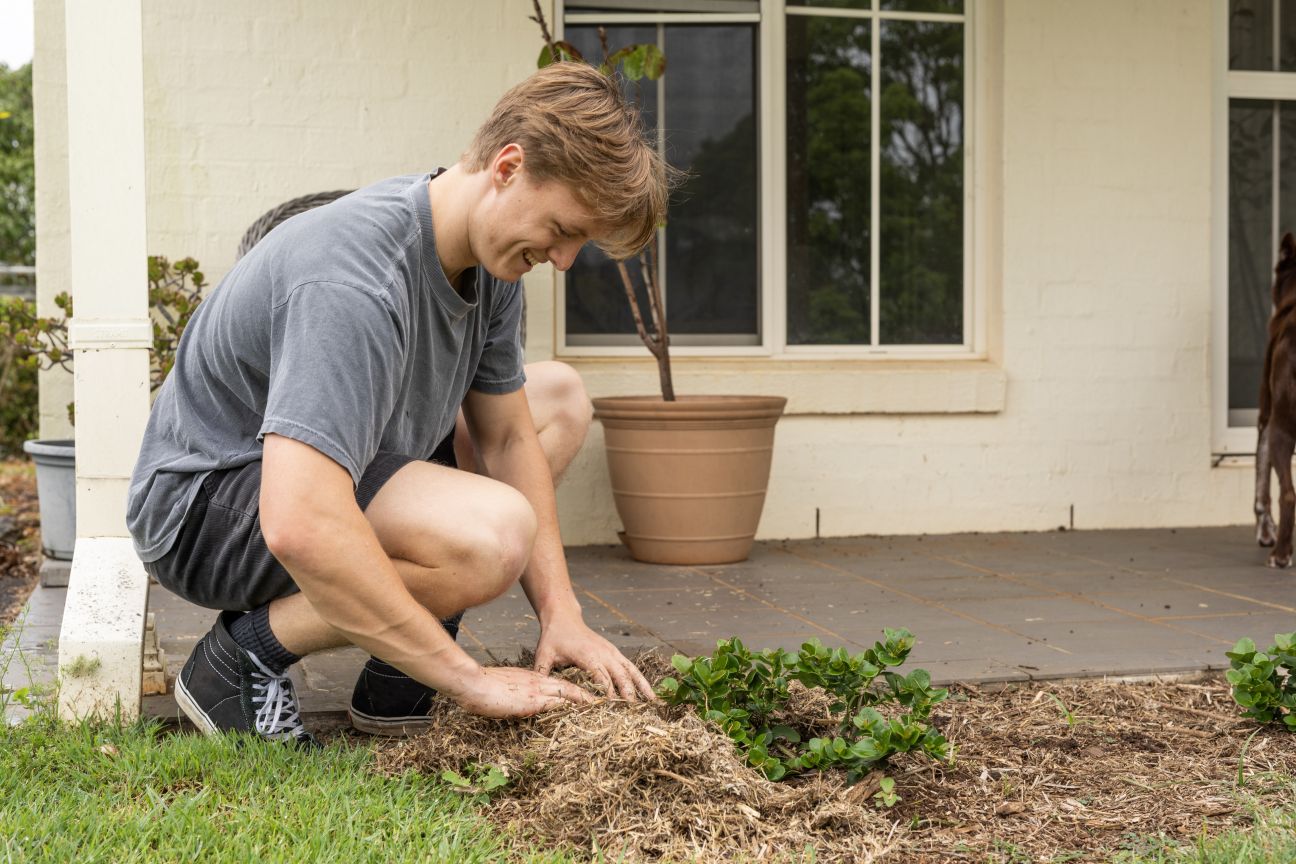
Lock it in – mulch helps your plants retain critical moisture in the warmer months.
Make friends with mulch
Benefits of mulch: Apply a generous layer of mulch around your plants to help retain soil moisture, keep roots cool, and suppress weed growth. Mulch also adds organic matter to the soil as it decomposes, which is great for plant health.
Mulch options: Choose a mulch that suits your garden's style and needs – you can go for organic mulches like bark, compost, or straw, or inorganic mulches like pebbles or rocks.
Say it with soil
Avoid compaction: Avoid over-walking in your garden beds – this can compact the soil, which is a big no-no. Loose, well-aerated soil allows roots to penetrate deeply and access vital water and nutrients.
Improve soil health: Add organic matter to your soil to improve its structure and nutrient content – this is where composting and mulching come in handy.

Heat-tolerant plants don’t have to be beige – opt for native violet for a splash of (hardy) colour.
Picking the perfect plants
Show natives some love: Opt for native or drought-tolerant plants that are better adapted to our hot Australian climate. Plenty of beautiful, hardy, full-sun plants thrive in the heat — varietals like banksia, grevillea, native violet, and more provide different colours and textures to keep your garden looking fab.
There are plenty of books on native gardening in Queensland if you need maintenance advice – this free e-book from Griffith University is a fantastic resource.
Bonus tip: some Queensland councils (like Brisbane) offer free native plants for residents to help keep our green spaces flourishing – search for your council’s name plus “free plants” to see what’s on offer.
Success with succulents: Incorporate succulents into your garden design. They are perfect for hot, dry Queensland summers and require minimal watering – not to mention there are so many unique shapes, textures, and colours to choose from!
Get clues from already established gardens: Mount Coot-tha Botanic Gardens has an enormous array of plants (native and exotic) that are well-suited to our subtropical environment. Why not see what plants they’ve successfully used for landscaping – providing structure and colour – that you can emulate in your garden? That’s one of the main reasons it was established!
There are many regional botanic gardens across the state that will do the same, wherever you come from! Look up “Regional Botanic Gardens of Queensland”, in the browser of your choice.
Feed your garden
Nutrient supply: Use a slow-release fertiliser to provide a steady supply of nutrients to your plants throughout the growing season.
Avoid over-fertilisation: Check the forecast before you fertilise! Be careful not to fertilise during particularly hot days, as it can burn your plants. Don’t supply fertiliser during the non-growing season (late winter).
Keep it tidy
Promote growth: Regularly prune dead or diseased branches and remove dying blooms to encourage new growth and airflow within your plants.
Ditch the dead weight: Prune away unwanted growth to maintain the shape and health of your plants.
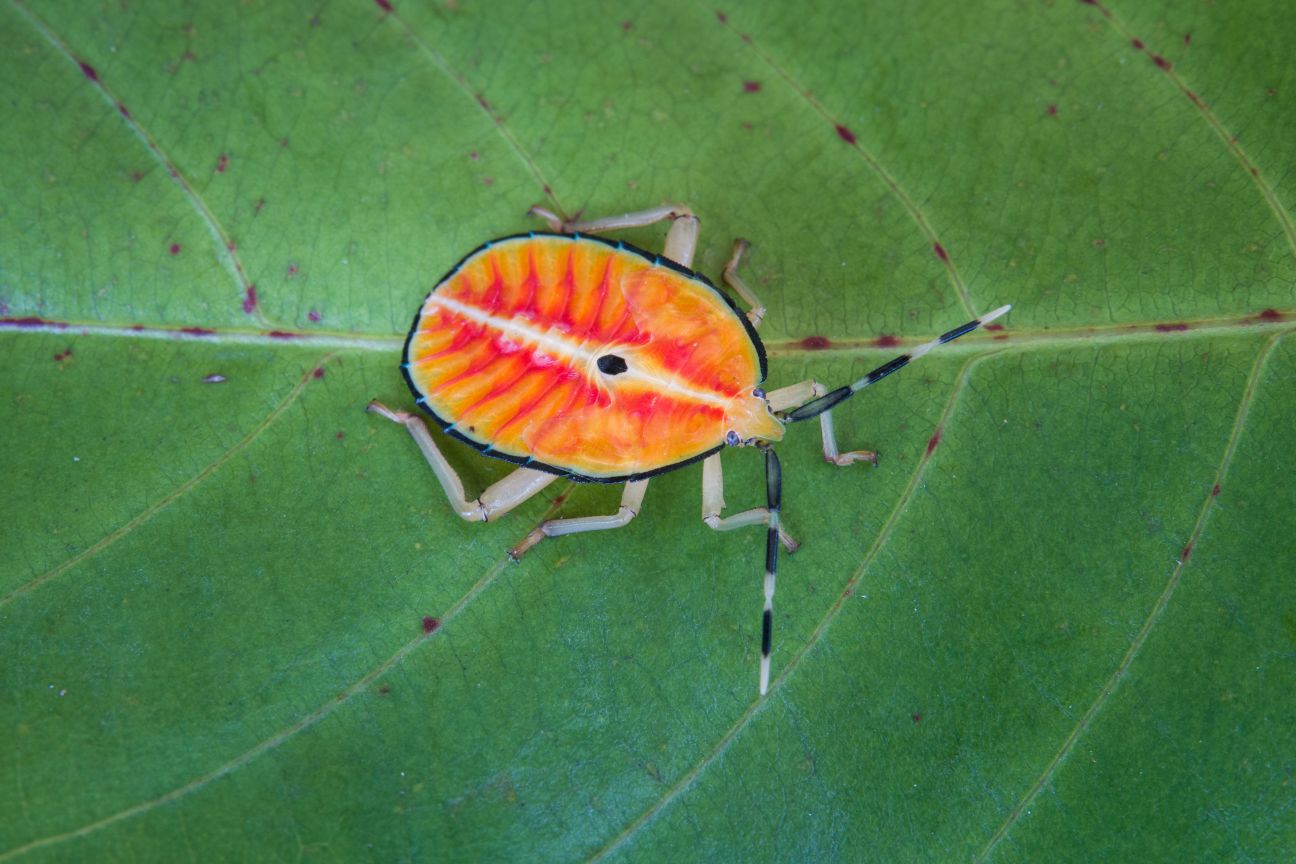
They may look pretty, but stink bugs can pose a serious threat to your plants
Control pesky pests
Know your enemy: Keep an eye out for common pests that thrive in warm weather, such as stink bugs, aphids, grasshoppers, fruit flies, mites, and caterpillars.
Plant some pest-repelling varietals: Some plants naturally keep pests at bay – consider incorporating any combination of marjoram and oregano, marigolds, lavender, garlic, basil, sage, rosemary, and land cress to naturally manage pests.
Keep the good guys around: Natural predators like ladybird beetles or lacewings can help control harmful insect populations in your garden. There are also a number of organic pest-control solutions for your garden. If you do opt for more intense intervention, be sure to research eco-friendly pesticides to manage pests without harming the beneficial insects in your space.
Stay sun-safe
Slip, slop, slap: While keeping your plants protected from the heat is important, don’t neglect your sun safety when heading outside for a gardening session. Wear full sun protection and try your best to get out in the early morning or late evening.
Newsletter
Get involved and stay informed with our handpicked environmental news, tips, and stories sent directly to your inbox.