Issued: 25 May
7 min read
Bringing plants into your home can do more than just brighten up a room. Studies suggest indoor greenery may help boost wellbeing and reduce feelings of stress, while also connecting us more closely with the natural world.
If you're looking to expand your collection, native Australian plants are a smart place to start. After all, these species have spent thousands of years adapting to Australia's often harsh conditions. Many are drought-tolerant, surprisingly hardy, and generally require less maintenance than their exotic counterparts.
There are environmental benefits, too. Many native Australian plants need fewer fertilisers and pesticides, reducing the risk of chemicals entering local waterways. They also provide food and habitat for birds, bees, butterflies, and other wildlife that call Australia home.
You may associate them with the outdoors, but not all natives are bound to the backyard. Plenty of Australian native indoor plants thrive in pots, hanging baskets, and sunny windowsills.
Whether you're searching for a statement plant, a flowering favourite, or something nearly impossible to kill, here's a diverse range of Australian native plants that deserve a place in your home.
 Open larger image
The Kentia palm, native to Lord Howe Island
Kentia palm (howea forsteriana)
Also known as: forster sentry palm, thatch palm, palm court palm
Indoor suitable: yes
If Australian native plants had a celebrity hall of fame, the Kentia palm would be on the red carpet.
Native to Lord Howe Island, this elegant palm became wildly fashionable in Victorian-era Europe thanks to its ability to survive indoors with limited light and dry air. It was reportedly such a favourite of Queen Victoria that she requested Kentia palms be displayed at her funeral.
Its graceful, arching fronds bring instant tropical vibes to living rooms and offices, while its forgiving nature makes it one of the easiest Australian native indoor plants to grow.
Outdoors, Kentia palms can reach an impressive 20 metres in height. As indoor pot plants, they'll stay much more manageable, though they'll still happily make themselves the centrepiece of any room.
Good news for pet owners: Kentia palms are non-toxic to cats and dogs.
 Open larger image
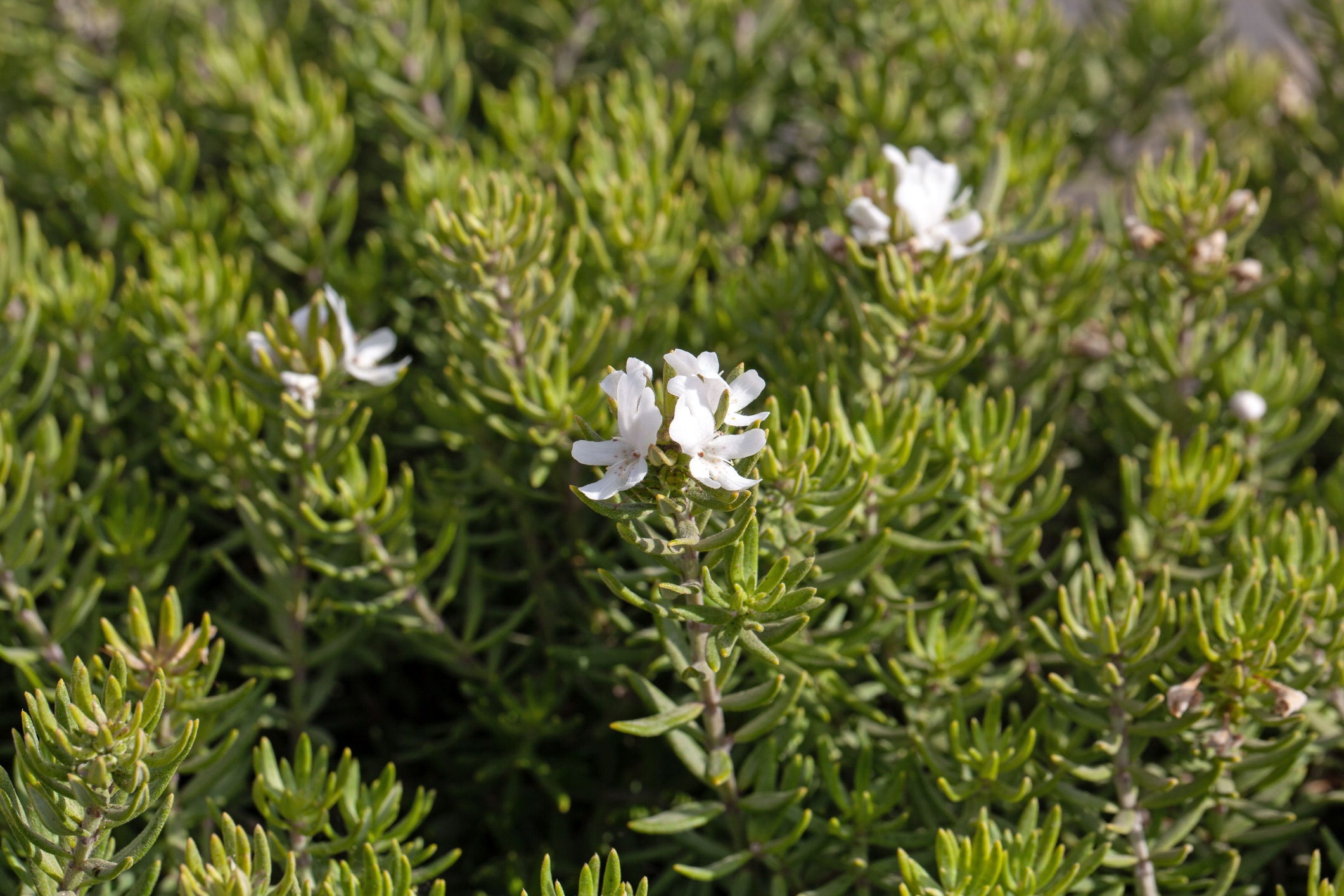
Coastal Rosemary
Coastal rosemary (westringia fruticosa)
Also known as: native rosemary
Indoor suitable: yes
Despite the name, coastal rosemary won't do much for your Sunday roast.
This tough, attractive shrub isn't related to culinary rosemary, but it does have plenty of other qualities going for it. Silvery-green foliage and delicate white or pale lilac flowers give it a soft, coastal look that works beautifully indoors or out.
As one of Australia's most adaptable native shrubs, coastal rosemary tolerates wind, salt spray, and pruning with remarkable enthusiasm. In fact, it's often used as a hedge because it responds so well to shaping.
If you're after native Australian plants that look good without demanding constant attention, coastal rosemary is hard to beat.
 Open larger image
Hoya australis
Wax vine (hoya australis)
Also known as: native hoya, porcelain flower
Indoor suitable: yes
Looking for a plant that climbs, trails, and occasionally rewards your patience with a spectacular floral display? Meet the wax vine.
This stunning native produces thick, glossy leaves and clusters of fragrant star-shaped flowers that almost look too perfect to be real. The blooms – typically white with pink centres – are one of the reasons Hoya australis has become one of the favourite plants in Australia.
The catch? You'll need patience. Hoyas often take several years to mature before flowering – but even when they're not in bloom, their lush foliage makes them an attractive addition to shelves, hanging baskets, and indoor plant walls.
They're also considered non-toxic to pets, although the sap can occasionally cause mild skin irritation.
 Open larger image
Palm-lily
Palm-lily (cordyline stricta)
Also known as: slender palm lily, narrow-leaved palm lily
Indoor suitable: yes
Some plants quietly fill a corner. Palm-lily prefers to make itself known.
Native to eastern Australia, this evergreen species features glossy green leaves and showy clusters of purple flowers that attract nectar-feeding insects and birds.
One of its greatest strengths is versatility. Palm-lily grows in both sunny and shaded positions and becomes relatively drought-tolerant once established.
Just don't underestimate its enthusiasm for spreading when planted outdoors. Given the opportunity, it'll happily expand its territory.
While beautiful, this is one native best kept away from curious cats and dogs, as it contains compounds that can be toxic to pets.
 Open larger image
Native violet
Native violet (viola hederacea)
Also known as: Australian violet, ivy-leaf
Indoor suitable: yes
Delicate flowers, lush green foliage, and a reputation for being surprisingly easy to grow – it’s not hard to see why native violet has become a favourite among gardeners.
This low-growing species produces charming purple-and-white flowers for much of the year and works equally well in pots, hanging baskets, and shaded garden beds.
It has another unusual claim to fame: its flowers are edible and are often used as decorative garnishes in restaurants.
Beyond its looks, native violet is also valued as a sustainable alternative to traditional lawns in low-traffic areas, helping reduce the need for mowing and watering.
This one is not pet-friendly, so it’s best to avoid if you have furry friends at home.
 Open larger image
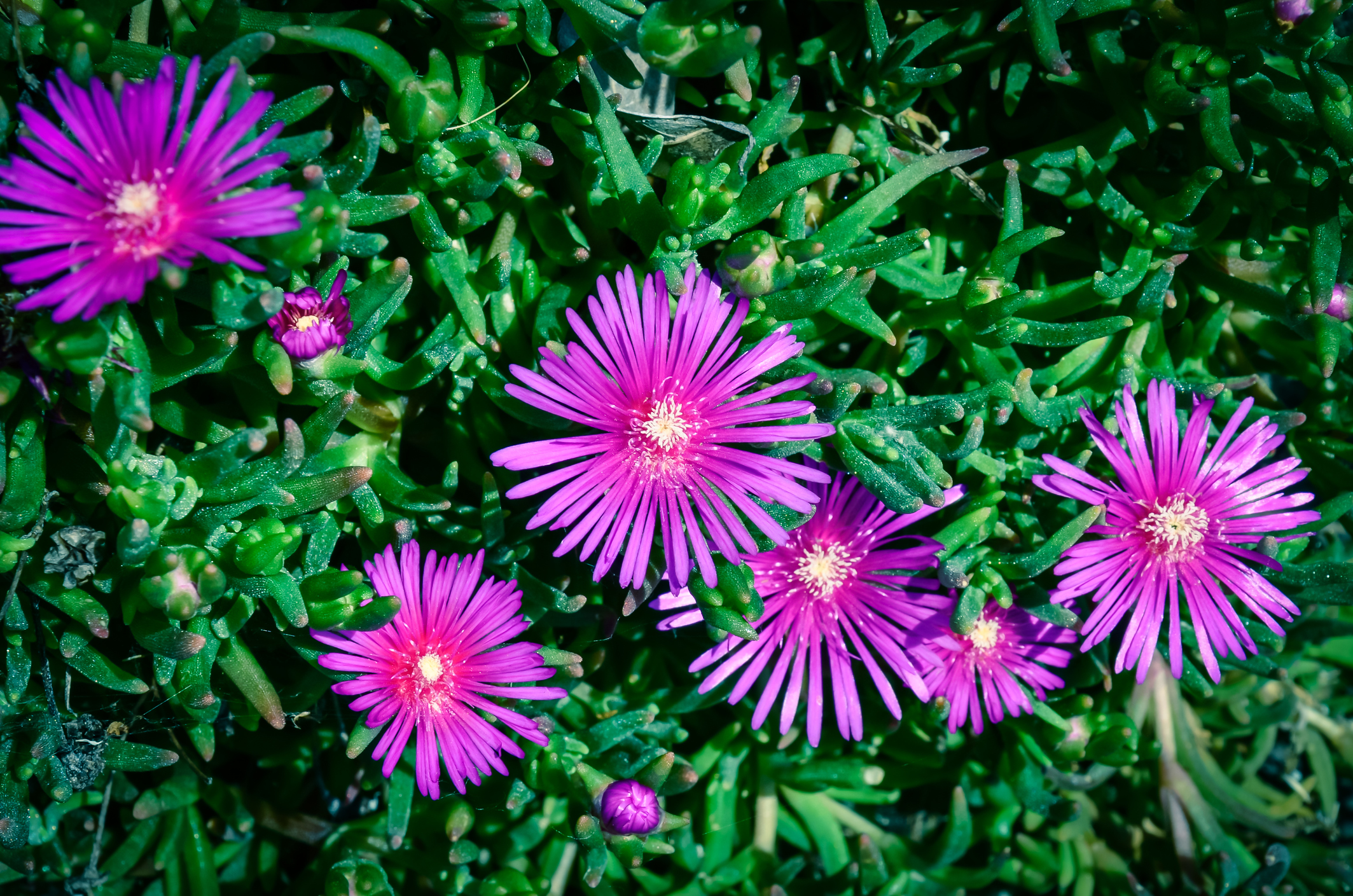
Karkalla
Karkalla (carpobrotus rossii)
Also known as: beach banana, pigface, sea fig
Indoor suitable: yes
If you've spent time near Australia's coastline, there's a good chance you've seen Karkalla brightening sand dunes and rocky headlands.
This hardy succulent produces vibrant pink, purple, or violet flowers blooming that seem purpose-built for attracting attention. Its trailing habit also makes it ideal for hanging baskets, containers and sunny windows.
For thousands of years, First Nations peoples have used the plant as a food source, and today it's increasingly appearing on restaurant menus. Its fleshy leaves have a mildly salty flavour and add a distinctive crunch to salads and other dishes.
As far as low-maintenance natives go, Karkalla is one of the easiest to grow, and it's considered safe for both people and pets.
 Open larger image
Kangaroo fern
Kangaroo fern (microsorum pustulatum)
Also known as: kangaroo paw fern, kangaroo foot fern
Indoor suitable: yes
Not all ferns are easy houseplants. Fortunately, kangaroo fern didn't get the memo.
Known for its tough, leathery fronds, this species is generally more resilient than many of the delicate ferns commonly sold as indoor plants. Its lush appearance brings a touch of rainforest greenery to any space without demanding constant attention.
Like many ferns, it prefers indirect light and appreciates a little extra humidity, but it's far less fussy than you might expect.
For households with pets, it's another winner. Kangaroo fern is considered non-toxic to cats and dogs, making it one of the safest indoor plants for family homes.
Newsletter
Get involved and stay informed with our handpicked environmental news, tips, and stories sent directly to your inbox.