Issued: 28 July
8 mins read
There’s never a bad time to head to K’gari – between its jaw-dropping natural attractions and dreamy warm weather, it’s become a bucket-list holiday destination for people the world over. Like any sought-after location, K’gari offers different experiences depending on when you visit. Whether you’re focused on fishing, wanting to beat the crowds, or keen to see some rare wildlife, we’re here to help you choose your perfect time to visit K’gari.
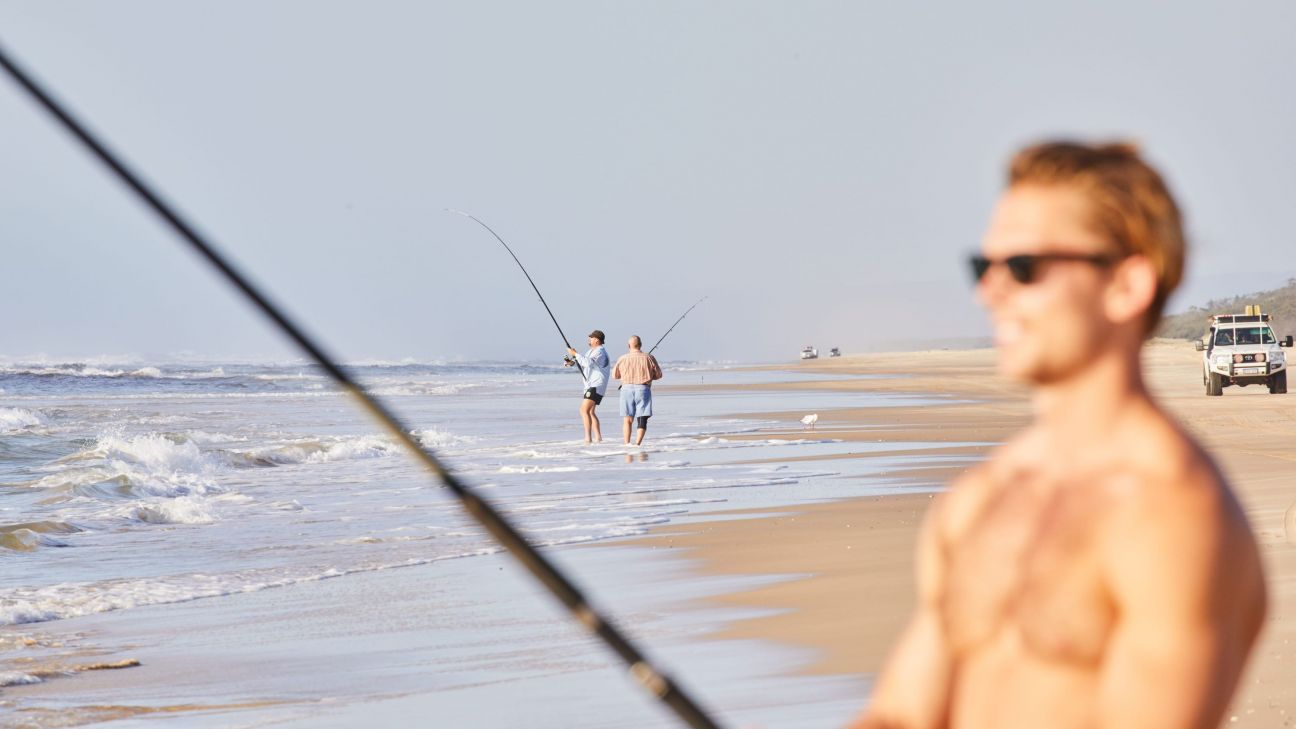
Spring (September to November)
Heading to K’gari in spring? You can expect an absolute treat in terms of natural happenings. Wildflowers are in full bloom, so it’s a perfect time for nature walks and photography – the wattles, banksias, and orchids are beautiful in spring.
Humpback whales are returning south with their calves through to October, so it’s also a great opportunity to do some whale watching.
Fancy wetting the line? Tailor fishing season typically peaks in spring, with anglers heading to the island’s eastern beaches. Hot tip: be vigilant with your bait and fish! Dingoes will be hanging around and may try to snatch your catch, so secure any caught fish in sealed containers and bury any unused bait or remains at least 50cm deep. Be sure to cover exposed hooks and lures when not in use or unattended so that dingoes and other wildlife cannot become injured from them.
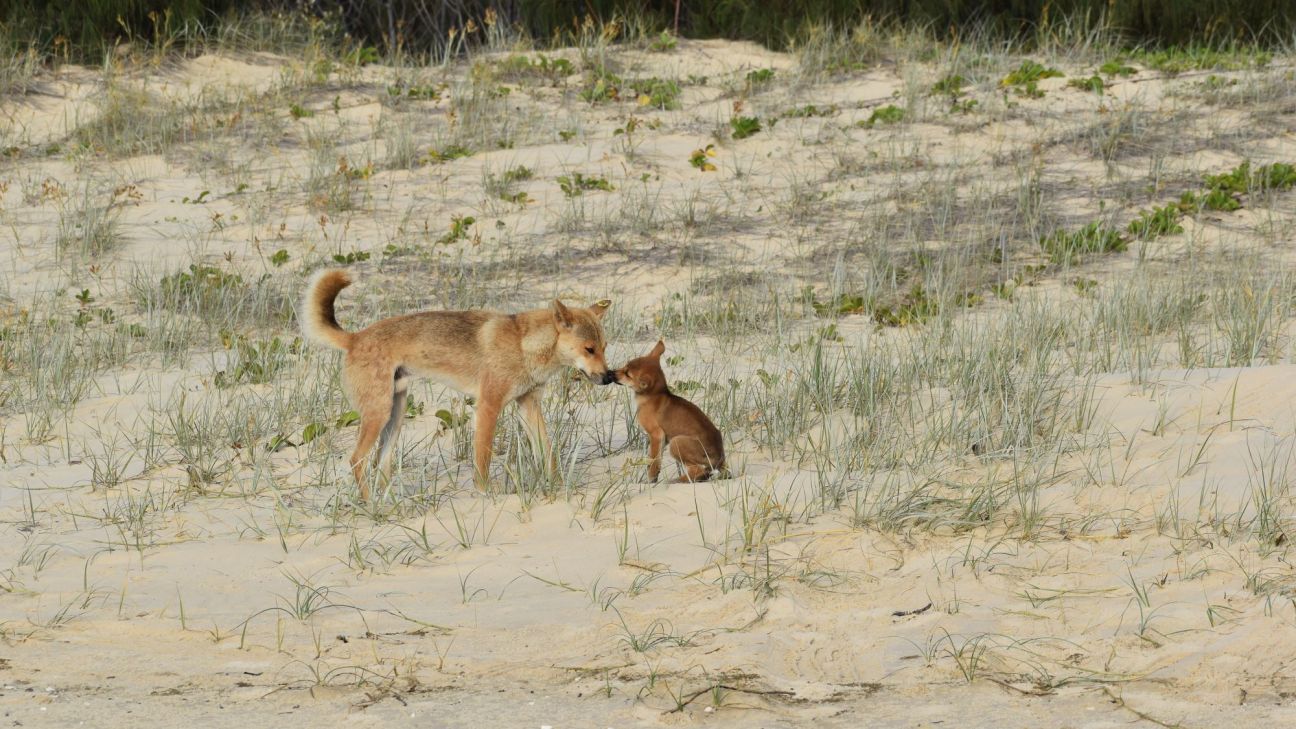
Dingo behaviour in spring
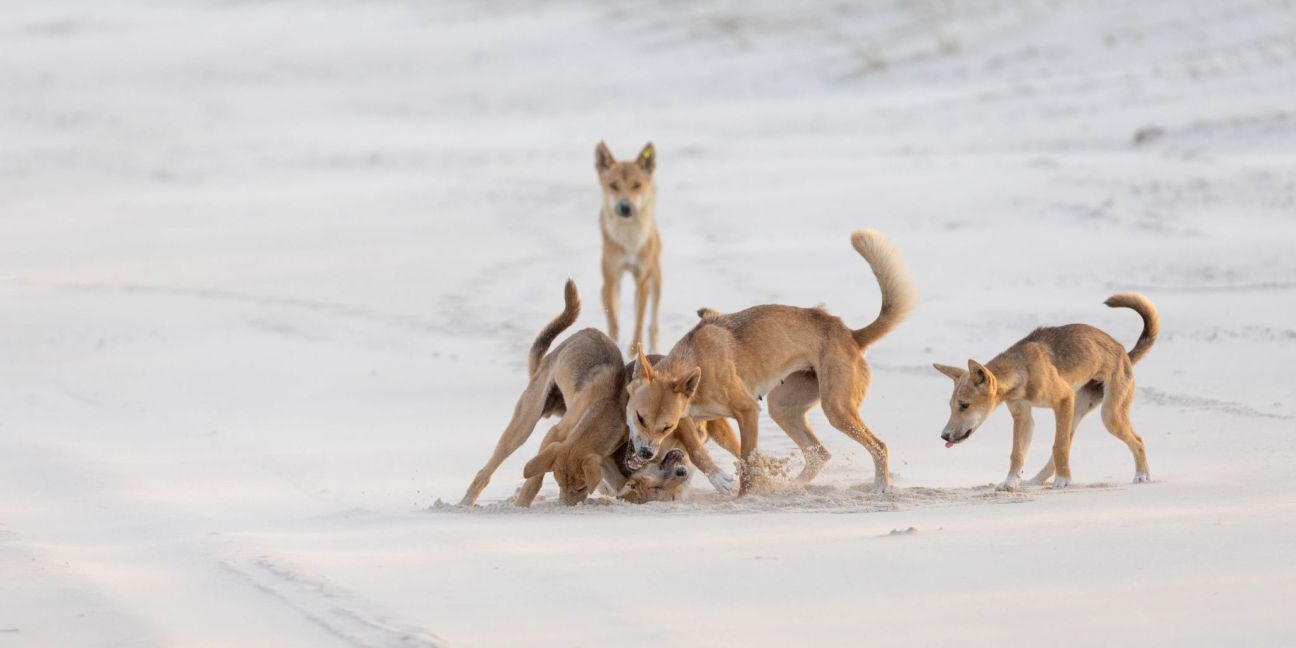
Spring is dingo rearing season on K’gari – this is when adults teach pups natural hunting and survival skills. It’s vital for dingoes not to become habituated towards people at this vulnerable stage. Adult dingoes can be determined and aggressive when looking for food, and females will staunchly defend their young.
Dingo pups will venture out of their dens to explore, which increases their risk of getting struck by a vehicle – please slow down and always exercise care when driving. If you see a lone pup, they haven’t been abandoned and don’t need your food – the adults are out hunting.
How busy does it get?
Spring on K’gari is a popular time for visitors thanks to the mild weather and fishing opportunities. Accommodation and campsites may be busy, so we recommend booking ahead.
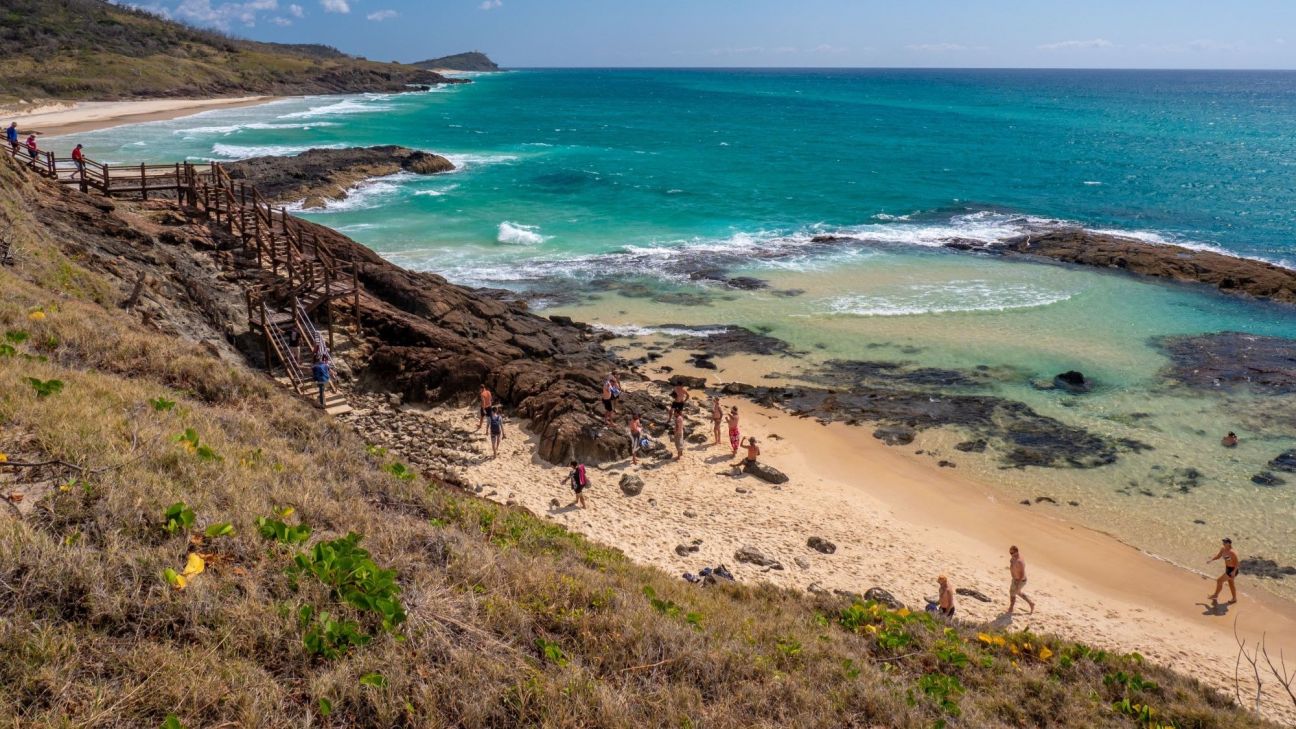
Summer (December to February)
Summer is the most popular time for people to head to the island – end-of-year holidays draw quite the crowd! The rainforests become especially vibrant during the summer wet season, so it’s a particularly pretty time to go exploring.
November to January is also prime time for turtle spotting – both loggerhead and green turtles nest on the island’s beaches, but it’s best to admire them from a distance.
If you’re keen to cool off with a swim, it’s important to stick to the inland spots. Beaches on K’gari are unpatrolled and the surf conditions can get rough, not to mention there’s a risk of encountering dangerous marine life like sharks and stingers. Estuarine crocodile sightings have also been reported on the west coast of K’gari and in the Great Sandy Strait.
Anglers can look forward to some good whiting and flathead fishing. It’s important to still be careful with your bait and catches – you don’t want to give dingoes any extra incentive to interact with humans. Not only is there a risk of dingoes getting too comfortable with people which can lead to aggression, hooks and lures can also seriously injure them and other wildlife.
One more important thing to note: summer is peak march fly season, so make sure you come prepared with insect repellent and sting treatment. They’re also more attracted to dark-coloured clothes, so keep it light and bright!
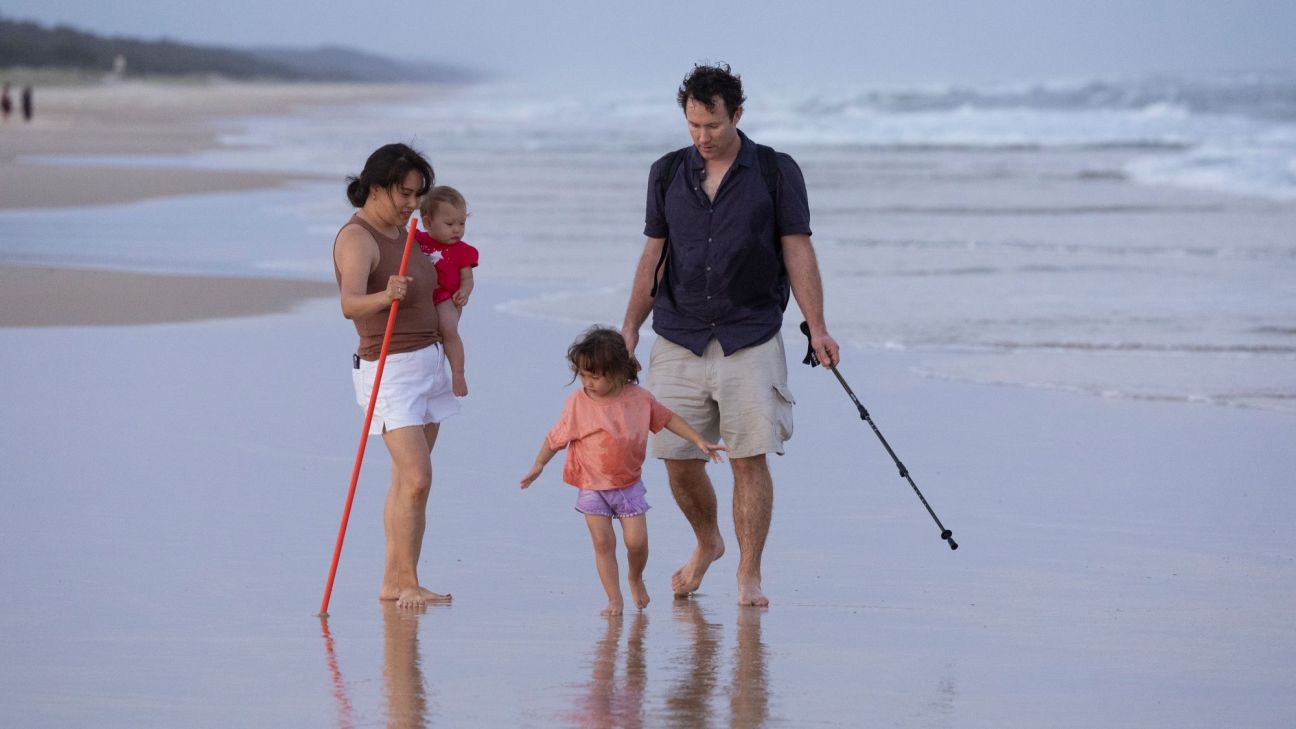
Dingo behaviour in summer
Summer is dingo dispersal season on K’gari – like teenagers, juvenile dingoes are testing boundaries and learning pack rules through play. The juveniles may show more aggressive behaviour to gain dominance. Rangers often see a surge in 'herding' type behaviour during the summer months, with dingoes corralling people (often women and/or children) into nearby bodies of water.
More people and families on the island mean an increased risk of human/dingo interactions. Travelling with kids? Always keep them within arm’s reach, always carry a dingo safety stick, and stick to fenced areas if you’re camping. The influx of visitors also means there’s more food scraps around. Never feed dingoes and don’t leave food scraps accessible – this can habituate dingoes to humans.
How busy does it get?
The summer holidays are peak season on K’gari, bringing a surge of visitors (especially families). Be prepared for crowded beaches, campsites, visitor sites, and day-use areas – hotspots like Lake McKenzie and Eli Creek will likely have longer waits to visit and enjoy.
Autumn (March to May)
An autumn visit to K’gari can be less hectic than the summer months. The weather cools down and the humidity drops off, so it’s a fantastic time for hiking and exploring the island’s walking tracks without working up too much of a sweat.
While you can catch them year-round, bream and flathead are common in autumn – Waddy Point, Poyungan Rocks, and Yidney Rocks are your best bet for a good catch on the eastern beaches.
Dingo behaviour in autumn
Autumn is dingo mating season on K’gari – and with it comes the highest likelihood of negative human/dingo interactions. Rowdy dingoes engaging in dominance-testing behaviour may be mistaken for playing, and you’ll likely hear increased howling at night. Pups from last year are forced to find new territory to avoid more dominant dingoes and find their own food, so you may see smaller dingoes by themselves.
If approached by a dingo, make yourself look large and dominant. Always have a dingo safety stick on hand to keep a distance between you and the dingo and always walk in groups outside fenced areas. Don’t run – stay facing the dingo and calmly back away to safety while confidently calling for help.
How busy does it get?
If you’re looking for a more relaxed time to visit K’gari, most of autumn sees the crowds thin out a fair bit. Easter holidays fall within this period and can get busy, so be aware of peak times before you head over.
Winter (June to August)
Winter on K’gari brings a different vibe to the other seasons – the cooler, dry weather is perfect for more of those outdoor activities like hiking, camping, and 4WD adventures. You can also make the most of tailor and dart season along the eastern beaches if you’re keen for some fishing.
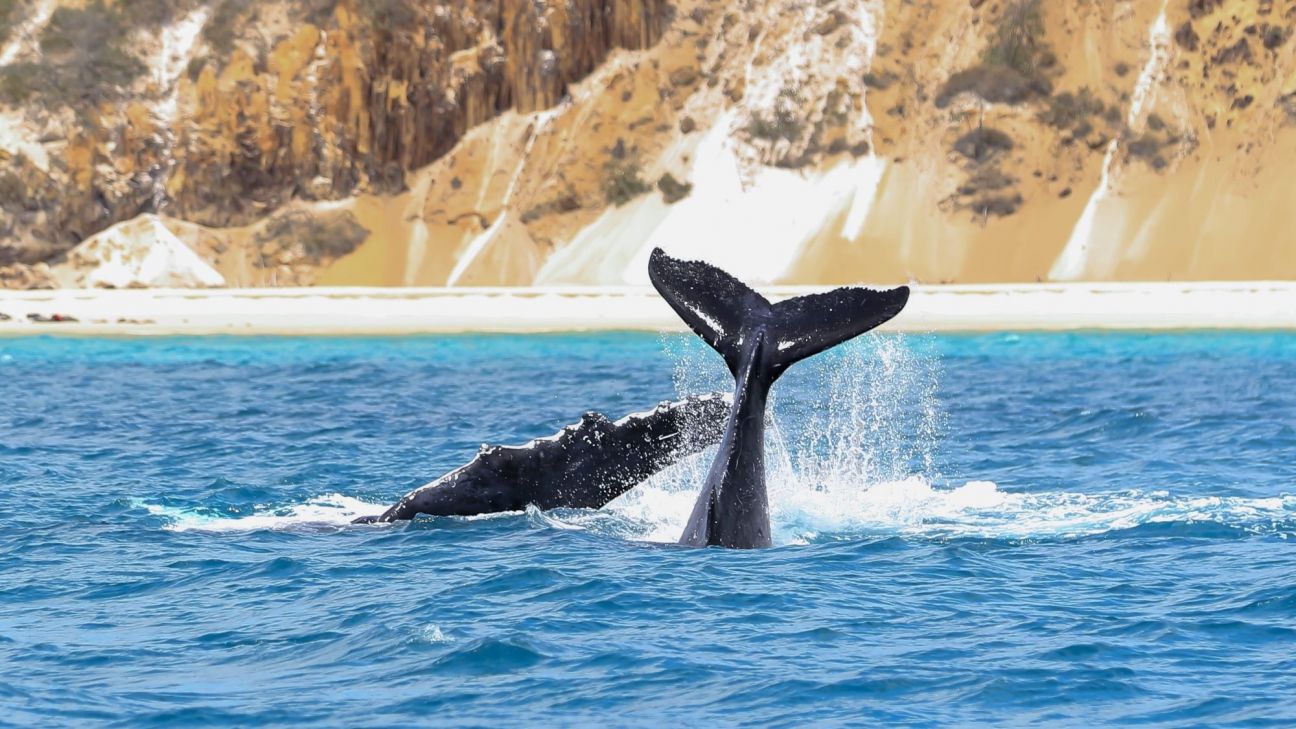
July typically marks the start of the humpback whale migration, so it’s worth keeping an eye out for these magnificent creatures while driving or from vantage points on headlands such as Middle Rocks. Migration season can also bring predators like sharks and orcas looking to take advantage, so stay vigilant.
Dingo behaviour in winter
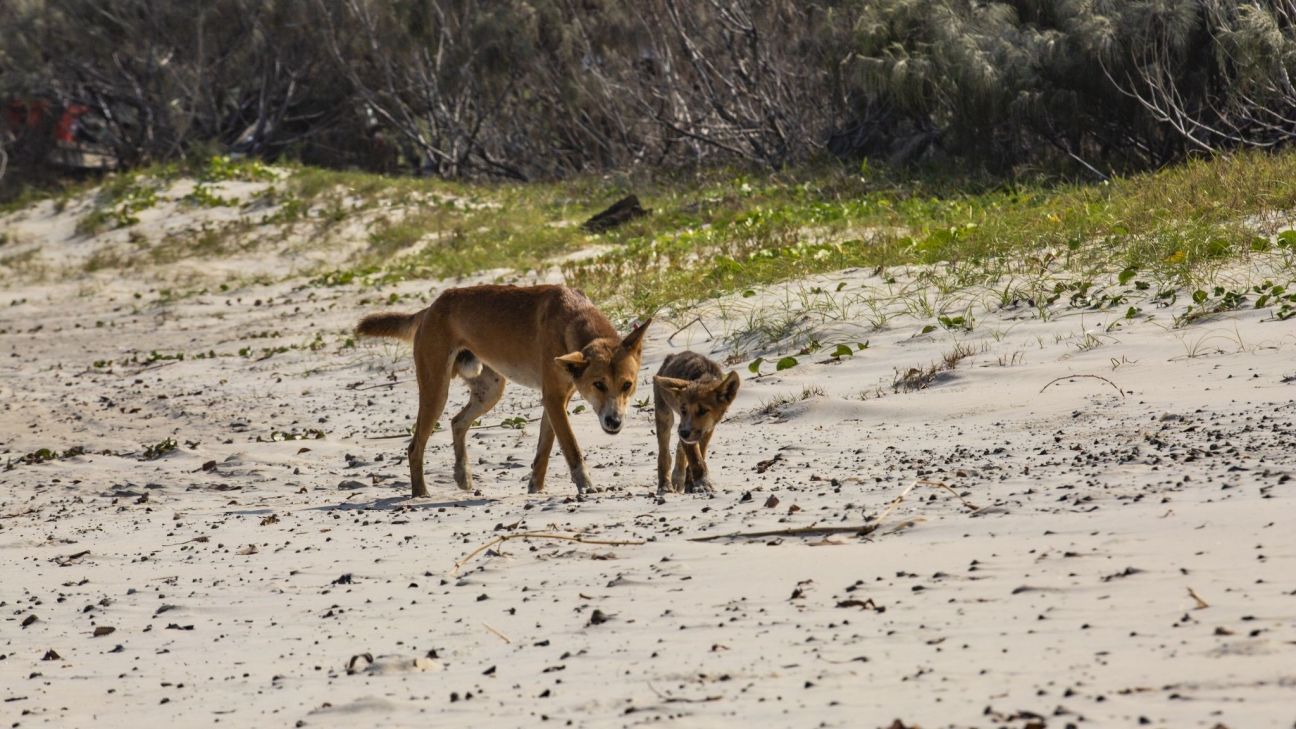
Winter is dingo whelping season on K’gari – after mating season, many female dingoes will either be pregnant or birthing litters of pups. Once newborn pups arrive, their parents may be aggressive as they need to find food for themselves and their children. Alpha females with pups are very domineering during this stage – some may even kill another female’s pups if she has mated with one of the pack.
Cooler months can bring dingoes to campsites in search of an easy meal, but you must never feed them – not only is this harmful to them, but it’s also a serious offence. You should also keep food securely stored – dingoes can be very determined to get to it.
How busy does it get?
Winter on K’gari is ideal for folks seeking a more peaceful visit. Warm, clear days and cool, crisp nights are perfect for camping, and lower visitation means you can enjoy the island without the crowds.
Things to note year-round
While each season offers something different, there are some constants to factor into your K’gari trip, no matter when you go.
Be dingo-safe
Dingo behaviour changes throughout the year, but being dingo-safe on K’gari at all times is crucial. Brushing up on your dingo dos and don’ts before you get to the island will ensure you’re prepared for any dingo interactions that may arise. Here are some non-negotiables to keep everyone safe:
- Keep kids within arm’s reach
- Carry a safety stick
- Keep your distance from dingoes (at least 20 metres/four car lengths)
- Dispose of rubbish correctly and store food securely if camping
- Don’t run
- Don’t be alone
- Don’t feed or interact with dingoes
- Don’t bring food or have picnics on the lake shore or beach
Remember: K’gari is the dingoes’ home and they are wild animals. Be safe and respectful.
Be aware of school holidays (especially Queensland)
Naturally, people flock to K’gari when they have some time off – and like other popular destinations, K’gari isn’t immune to copping more visitors during school holidays. Planning your trip during an off-peak period can help you avoid larger crowds and longer wait times for popular spots.
Weather forecast
K’gari weather is generally pleasant all year round, thanks to its subtropical climate – you can expect it to be warm most months, with temperatures dipping slightly in winter. Keep an eye on the forecast for any inclement weather updates.
Tide times and safe driving
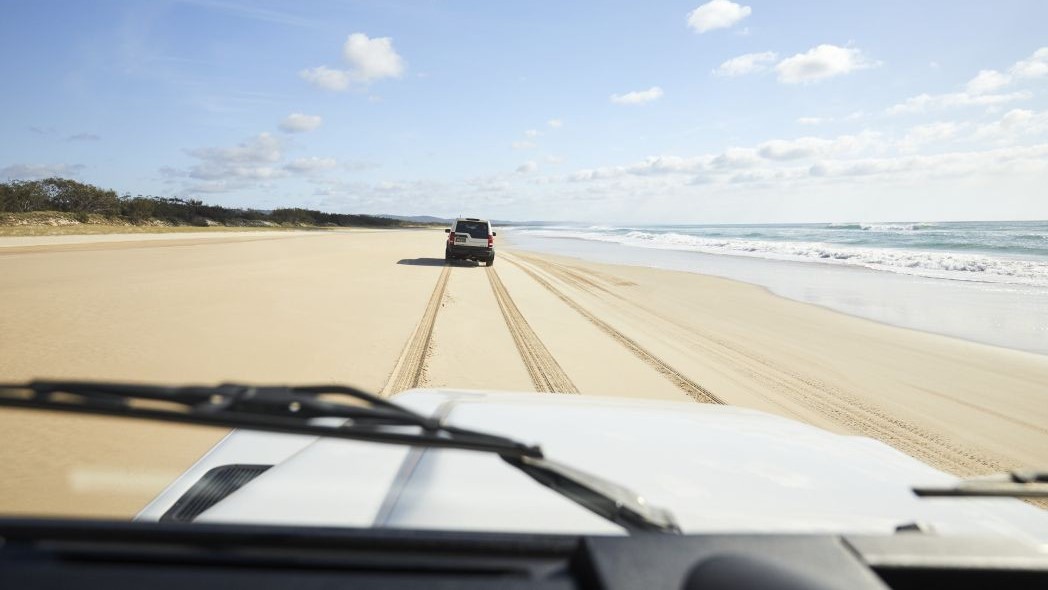
As a sand island, K’gari’s unique landscape is influenced by tide times. The eastern beach is basically the equivalent of a highway, with most turn-offs to major attractions on this side of the island.
If you’re unfamiliar with beach driving, the safest time to hit the (makeshift) road is 2-3 hours either side of low tide. The sand is firmest and most compact at these times, so it’s less daunting for first-time 4WDers. Need more reassurance? Check out our tips for driving on sand.
Head to the BOM and check tide times before you go – you can find them under the Waddy Point (Fraser Island) link. It’s also worth keeping an eye on the K’gari Conditions Report, as the beach is always changing.
Newsletter
Get involved and stay informed with our handpicked environmental news, tips, and stories sent directly to your inbox.