Issued: 13 August 2025
6 mins read
It’s bushfire season in Queensland – a time that typically runs from July to December and sometimes through to February, though fires can happen at any time of year.
With the long-term effects of climate change – hotter days, drier landscapes, and more frequent extreme weather – the danger from Queensland bushfires is only expected to increase.
Bushfires are a natural part of our state’s ecosystem, but they can have devastating impacts on people, property, and wildlife. The good news? Throughout the year, our fire management teams take extraordinary measures to mitigate the risk and severity of bushfires.
Learn all about Queensland’s bushfire season and what you can do to prepare for it.
How Queensland’s land managers prepare for bushfires
The Department of Environment, Tourism, Science and Innovation (DETSI) manages more than 13 million hectares of parks and forests, making us Queensland’s largest land manager. Managing an area twice the size of Tasmania means fire management is a year-round job. We work continuously to protect the natural, cultural, social, and economic values of our protected areas.
Fire plays a vital role in Queensland’s landscapes. It supports the health of fire-adapted ecosystems and helps conserve many native species and their habitats – but when fires occur under dangerous conditions or become uncontrolled, they can cause serious harm. This is why careful planning is essential.
Planned burns are our most effective tool for reducing fuel loads and preventing large-scale, high-severity bushfires. Also known as prescribed or hazard reduction burns, these carefully managed fires help reduce the build-up of flammable vegetation and lower the risk of uncontrolled bushfires in Queensland.
Conducted under specific weather conditions by trained rangers and fire agencies, these burns mimic natural fire cycles to maintain healthy ecosystems, protect communities and infrastructure, and support cultural land management practices. When done correctly, planned burns are one of the most effective tools for managing bushfires in Queensland and promoting long-term environmental resilience.
Other key parts of our fire management program include:
- Maintaining 35,000 km of roads and firelines to support firefighting operations
- Using a fire camera network, satellite hotspot monitoring, and ground patrols for early detection
- Operating a fleet of light and medium attack fire appliances
- Providing fire safety education for park visitors and nearby communities
- Training staff for key fire management and incident response roles
- Partnering with First Nations peoples, including Indigenous Land and Sea Ranger groups, as well as local communities and stakeholders, to share knowledge and resources.
Even with these measures in place, fire will always be part of Queensland’s environment – but preparation helps keep it in balance and manage risk.
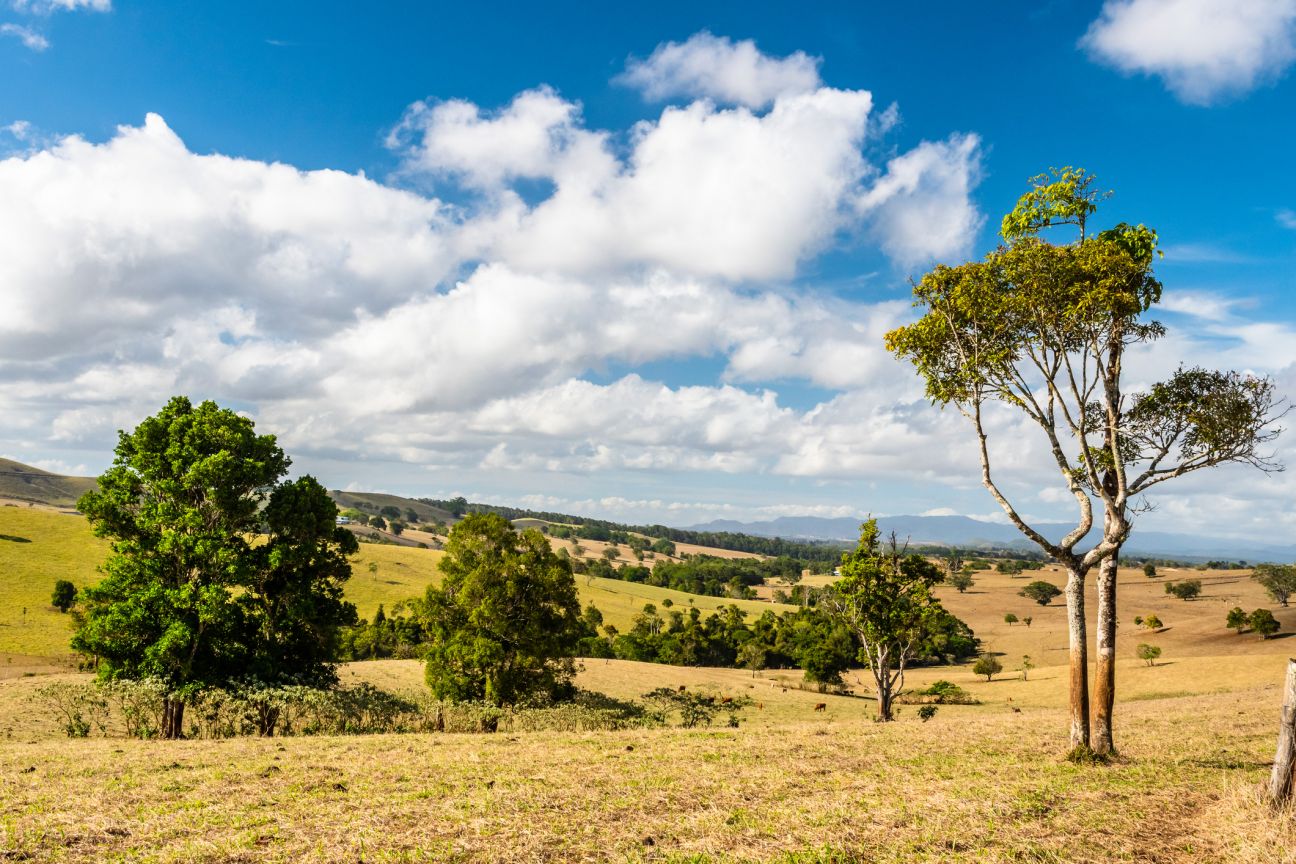
Some areas in Queensland are more susceptible to bushfires than others.
How you can prepare for bushfires in Queensland
Whether you live in the city, the bush or by the coast, it’s never too late to focus on bushfire safety. The Queensland Fire and Emergency Services (QFES) website has everything you need to get ready for the season. Here are some essential steps to start with:
- Make a Bushfire Survival Plan: Personalise and save your plan – it should cover evacuation and stay options, plus a backup plan in case your first choice isn’t possible.
- Use the Get Ready Queensland evacuation checklist: Keep it handy in case of emergency.
- Check your bushfire risk: Enter your postcode to see your neighbourhood’s bushfire potential.
- Know your Neighbourhood Safer Places: These are local open spaces or buildings where people can shelter if a bushfire threatens.
- Understand warnings and ratings: Learn about Fire Danger Ratings and the Bushfire Warning System so you can act quickly when alerts are issued.
- Stay informed: Keep an eye on QPWS Park Alerts, the QFES bushfires and warnings map, and any fire bans or restrictions.
- Review your insurance: Double-check your home, contents and car insurance for bushfire-related coverage.
Need tailored advice? Call 13 QGOV (13 74 68) to book a Property Advice Visit and get expert help assessing your bushfire risk.
Helping Queensland wildlife during bushfire season
If you live in or near a bushfire-affected area, keep an eye out for injured or displaced animals – they can turn up in unexpected places. Remember, these animals may be frightened or in pain and could lash out if handled. If you come across sick, injured, or orphaned wildlife (that aren’t dangerous), contact 1300 ANIMAL (1300 264 625) for advice and connection to a local wildlife carer.
If it’s an injured or displaced snake, contact a licensed snake catcher to safely remove it.
Looking for more detailed advice? Check out our blog on what to do when you find sick, injured, or orphaned wildlife.
Bushfire safety is a shared responsibility
Queensland bushfires are a natural part of our environment – but their frequency and intensity are increasing. Through planned burns, strong partnerships and community engagement, we’re working hard to reduce risks across protected areas.
It’s vital to remember that bushfire safety is everyone’s responsibility. Preparing your home and family today could save lives tomorrow.
Stay alert, stay informed, and stay ready this bushfire season.
Newsletter
Get involved and stay informed with our handpicked environmental news, tips, and stories sent directly to your inbox.