Issued: 3 December 2025
7 mins read
Most Queenslanders know the sting of a searing summer day when they feel one – but when the mercury stays high for days on end, heat can go from being uncomfortable to dangerous. Heatwaves are a part of life here, but with Queensland experiencing more frequent and intense heatwaves, it’s important to know how to stay safe and look after those around us – including our wildlife.
We’re here to explain what a heatwave actually is, why it should be taken seriously, and share practical tips to help you keep cool when temperatures soar.
What’s the definition of a heatwave?
A heatwave is more than just a sweaty one-off scorcher. The Bureau of Meteorology (BoM) defines a heatwave as a period of three or more days of high maximum and minimum temperatures that are unusually hot for a particular location.
Across Queensland’s varying landscapes, heatwaves can look and feel very different depending on where you are – what counts as a heatwave in Brisbane might feel pretty normal in Birdsville. There are also three distinct categories of heatwaves:
- Low-intensity heatwaves are the most common during Queensland summer – you may see heat health messages being shared to help people stay safe.
- Severe heatwaves are less frequent but more challenging for vulnerable folks like the elderly and those with medical conditions.
- Extreme heatwaves are rare but dangerous – even for healthy people. It’s crucial for everyone to take precautions during a Queensland extreme heatwave, especially those who work outdoors.
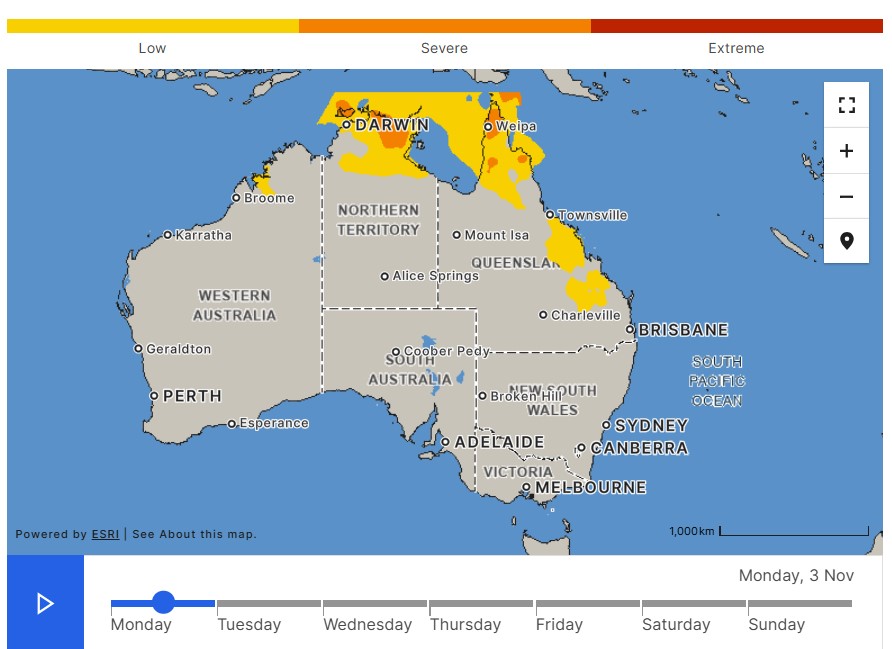
An example of the Bureau of Meteorology’s heatwave map, indicating areas at risk of low, severe, and extreme heatwaves per the colours at the top.
The Bureau of Meteorology issues heatwave warnings when conditions are expected to become severe or extreme, helping Queenslanders prepare in advance. These warnings consider not just daytime highs, but also overnight temperatures. When nights stay warm, your body doesn’t get the chance to cool down – that’s when heat stress becomes a bigger risk.
Keeping an eye on weather forecasts and heatwave alerts is the first step in staying safe – pay attention to minimum and maximum temperatures as well as the humidity percentage. You can find the latest warnings on the Bureau of Meteorology’s heatwave page.
Why heatwaves matter
When the temperature climbs and stays high, the effects go beyond sweaty afternoons and restless nights. Heatwaves can seriously impact our health, communities, and environment.
For people, prolonged heat can lead to dehydration, heat exhaustion, or even heatstroke. It can make existing health conditions worse and place extra pressure on emergency services. Older Queenslanders, young children, pregnant people, and outdoor workers are especially at risk, but anyone can be affected if they don’t take precautions.
For our communities, extreme heat can disrupt power supplies, damage roads, and affect transport, as well as affect community capacity to recover after a storm or cyclone. Heatwaves can also increase the risk of bushfires, especially when followed by dry, windy weather.
It’s not just humans who feel the strain during Queensland heatwave weather – our wildlife and pets can struggle in extreme heat. Animals may become heat-stressed, wander into urban areas seeking water or shelter, and face reduced food and habitat availability.
By recognising the signs of heat stress and preparing early, we can protect our health, support vulnerable people, and help our environment cope when the next hot spell arrives.
Essential resources for heatwave preparedness
How to prepare for a heatwave
A little preparation can make a big difference when you enter the warmer months. Taking simple steps before a heatwave hits helps you, your family, and your community stay safe and comfortable.
Here’s how to get ready:
- Stay informed – Keep an eye on Bureau of Meteorology forecasts and heatwave warnings, and follow updates from the Queensland Government’s disaster management services.
- Find relief – Know the best spots available near you to cool down, like air-conditioned public amenities (libraries and museums are a great choice!). Follow your local council or health service for updates and ideas on how to combat the heat.
- Plan ahead – Make sure your fans or air conditioner are working, and have spare batteries, water, and light, easy-to-cook meals on hand. Get Ready Queensland’s prep checklist has some great tips!
- Prepare pets and livestock – Ensure animals have access to shade and plenty of clean, cool water.
- Adjust your routine – If you can, avoid heavy outdoor work or exercise during the hottest part of the day (usually between 11am and 3pm).
Staying safe during Queensland's heatwave weather
Once a heatwave hits, the key is to stay cool, hydrated, and alert to signs of heat-related illness. Here are some practical tips:
- Stay indoors where possible – Use air conditioning, fans, or visit air-conditioned public spaces like libraries, shopping centres, or community halls. Avoid outdoor activities where possible.
- Be mindful of wildlife – Extreme heat can cause animals to seek out shade or water sources, so you may see them in unusual places. Give them plenty of space and don’t disturb them.
- Drink plenty of water – Aim for regular sips throughout the day. Avoid alcohol, caffeinated drinks, and sugary beverages, which can increase dehydration.
- Dress for the heat – Light-coloured, loose-fitting clothing and a wide-brimmed hat will help you stay cooler.
- Keep your home cool – Close curtains during the day, use reflective blinds or shades, and avoid using ovens or stoves that generate extra heat.
- Know the warning signs – Fatigue, dizziness, headaches, nausea, or rapid heartbeat may indicate heat exhaustion. If symptoms worsen, seek medical attention immediately.
- Check on others – Look out for elderly relatives, neighbours, and children, and make sure they have cool spaces and water available.
Following these steps can significantly reduce the risk of heat-related illness and help you manage Queensland’s hottest days safely.
Protecting wildlife during a heatwave
Heatwave conditions don’t just affect people – they can also put wildlife and pets under serious stress. As part of caring for our communities and environment, there are simple steps Queenslanders can take to help animals cope with the heat:
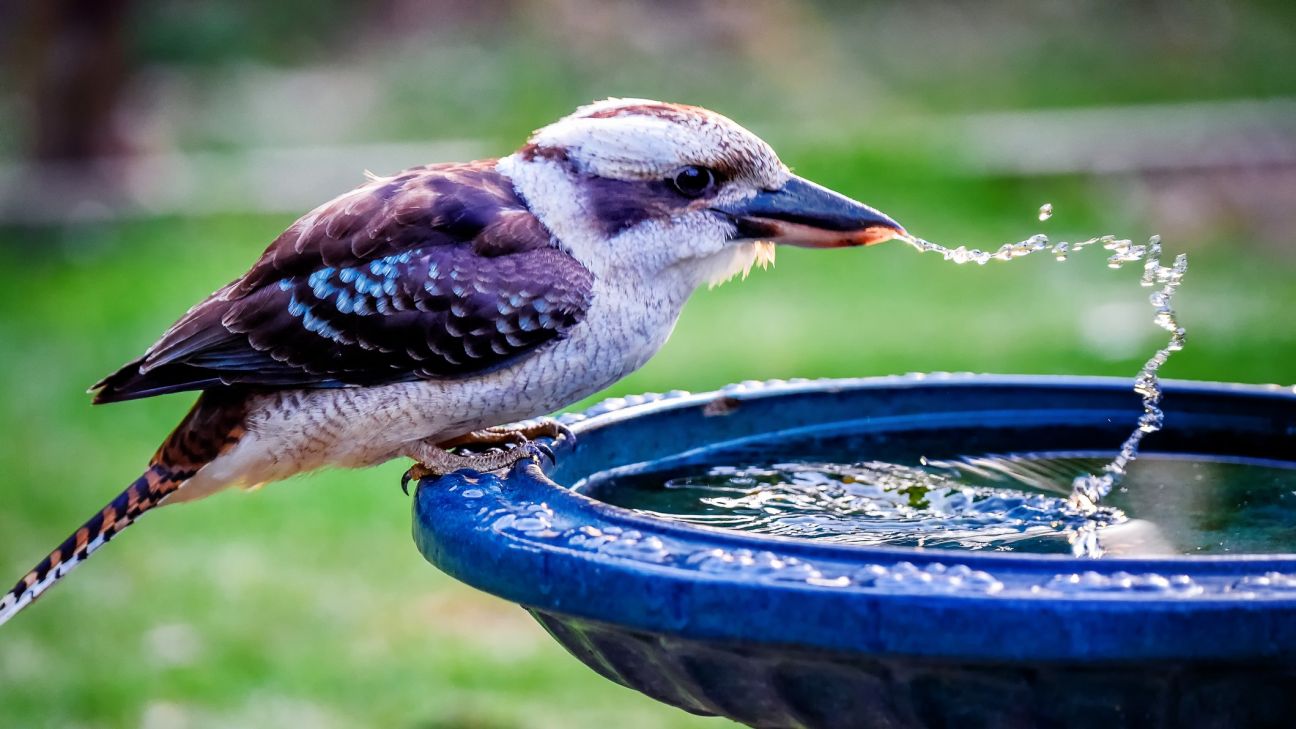
- Provide water – Leave shallow dishes of fresh water in shaded areas for birds, possums, and other local wildlife.
- Create shelter – Plants, trees, and shaded spaces give animals a place to cool down. Even small garden modifications can help.
- Keep pets safe – Limit outdoor activity during the hottest hours, ensure access to shade and water, and never leave pets in cars.
- Report distressed wildlife – If you encounter a sick, injured, or orphaned animal during a heatwave, call 1300 ANIMAL (1300 264 625) for specialist advice on the safest way to respond.
- Observe, don’t interfere – It can be tempting to get hands-on when you see an animal struggling, but your (and their) safety comes first. The operators at 1300 ANIMAL will either talk you through how to safely handle the animal you’ve encountered or send a trained professional to assist.
Even small actions can make a big difference during a heatwave. By thinking about the animals that share our urban and rural spaces, we can help Queensland’s ecosystems survive the hottest days while keeping our pets and wildlife safe.
Working together to stay safe
Staying safe during a Queensland heatwave’s severe temperatures takes forward-thinking and care – it’s up to all of us to look out for each other. Having a plan in place, checking on vulnerable folks, and taking the extra steps to help our wildlife can make riding out a heatwave much easier than sweating it out alone!
Newsletter
Get involved and stay informed with our handpicked environmental news, tips, and stories sent directly to your inbox.