Issued: 15 June
6 mins read
Queensland is no stranger to leading the way when it comes to protecting our incredible environment – and now, we’ve done it again. In July 2025, Weranga Scarps in the Western Downs became the first site in the country to be officially recognised as a conserved area under the National OECMs Framework (more on that in a bit). As of June 2026, Queensland also gained Australia's second-ever conserved area in the form of McCoys Creek Wetland.
Never heard of conserved areas before? They’re a relatively new addition to Australia’s nature portfolio – but they’re already shaping up to be a game-changer for landholders, local ecosystems, and native wildlife alike.
Here’s what you need to know.
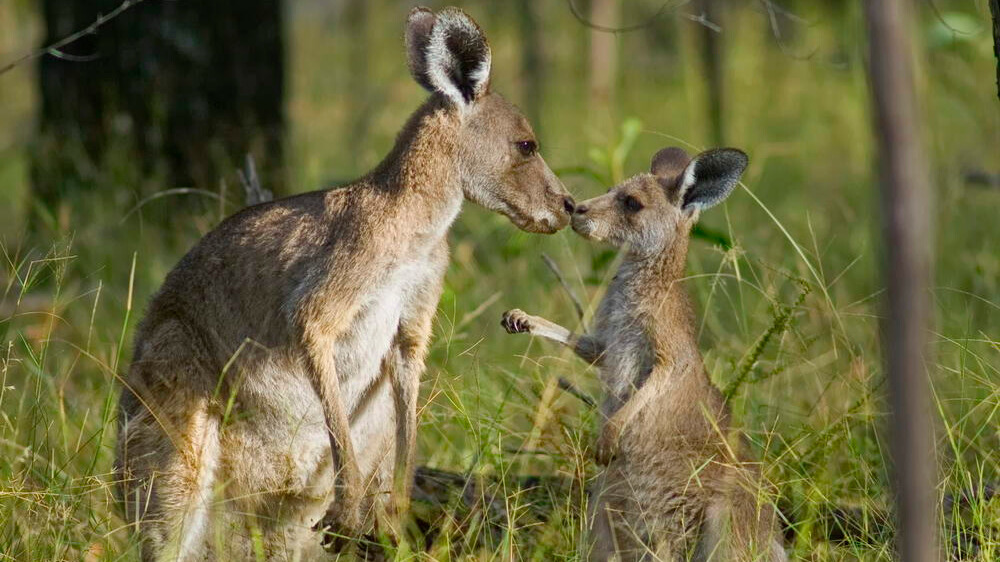
Conserved areas create more space for important native species to thrive.
Wayne LawlerWhat is a conserved area?
Put simply, a conserved area (also known as an Other Effective area-based Conservation Measure, or OECM) is a site that helps protect biodiversity long-term – even if conservation isn’t the main reason it’s being managed.
A conserved area could look like water catchments, travelling stock routes, university-owned bushland, or privately owned land that supports important biodiversity values, like threatened species. If the site is being looked after in a way that keeps the native plants and animals thriving, it might just qualify.
In 2024, the Australian Government released the National OECMs Framework to kickstart the formal recognition of these kinds of areas on land and inland waters. While the program doesn’t yet apply to marine areas, it’s a big step towards achieving our national target of protecting 30% of land by 2030.

Scaling up – Weranga Scarps provides crucial habitat for threatened species like the Yakka skink.
What’s the difference between protected areas and conserved areas?
Good question! There are already places in Queensland like nature refuges and properties with Conservation Agreements that protect important ecological areas on private lands – so why introduce conserved areas as well?
The short answer: they’re designed to complement each other, not compete.
We had some great questions come up when we posted about the conserved areas announcement on our Queensland Environment Facebook page, so we’re here to break it down for you.
Nature refuges
Nature refuges are a type of protected area. They’re primarily managed for biodiversity conservation but can also support other compatible land uses. To become a nature refuge, a property needs high conservation value and a landholder willing to commit to a voluntary, binding Conservation Agreement under the Nature Conservation Act 1992. This agreement ensures strong, long-term legal protection for the property’s unique natural values – often making it the best option for land with very high biodiversity.
Nature refuge landholders may also be eligible for support through programs like NatureAssist (to help expand the private protected area network) and Nature Refuge Landholder Grants (for on-ground conservation work).
Conserved areas
Conserved areas, on the other hand, offer a more flexible approach. They can be managed with biodiversity conservation as a primary goal, a secondary aim, or even as an incidental benefit of other land uses – like a water catchment area that also happens to provide habitat for threatened species. They’re recognised under the National OECMs Framework we mentioned earlier. This recognition is particularly useful when formal protected area designation (like a nature refuge) isn’t possible, appropriate, or supported.
How the categories work together
Conserved areas don’t replace protected areas – they work alongside them to broaden the number of safe spaces for nature. A property recognised as a conserved area can still transition to a protected area in the future if the landholder chooses and the property meets the requirements. In some cases, a covenant might also be used to help secure long-term protection for a conserved area.
Think of it this way:
- Public protected areas (like national parks) = highest level of legal security for conservation.
- Private protected areas (like nature refuges) = a moderate level of legal security for conservation.
- Conserved areas = more flexible recognition that still contributes to national and global biodiversity targets.
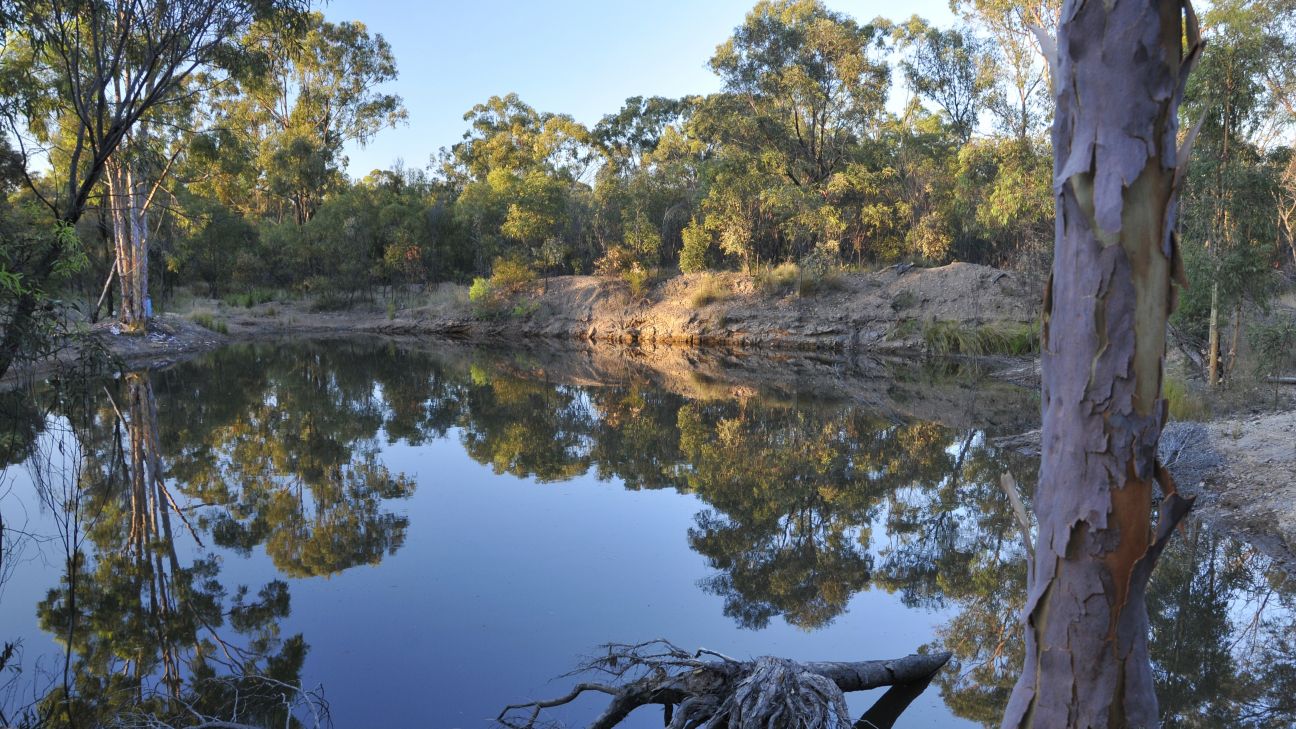
Picture perfect – Weranga Scarps takes the mantle as Australia’s very first conserved area.
Wayne LawlerQueensland’s first conserved area
Enter Weranga Scarps: a 48-hectare property west of Dalby that’s now officially Australia’s first conserved area.
Owned by the not-for-profit Wildlife Land Fund Limited, the site is a shining example of how private land can play a vital role in nature conservation. Its woodlands – full of eucalypts and cypress – provide crucial habitat for threatened species like the koala, yakka skink, and glossy black cockatoo.
Its significance to vulnerable animals is just the beginning. More than 120 bird species call the area home, including the speckled warbler and red-capped robin, alongside mammals like the sugar glider, yellow-footed antechinus, and inland brushtail possum. Amphibians like broad-palmed rocket frog and emerald spotted treefrog thrive after rain.
Weranga Scarps will be dedicated entirely to wildlife conservation – and it’s helping Australia meet international biodiversity goals under the Kunming-Montreal Global Biodiversity Framework.
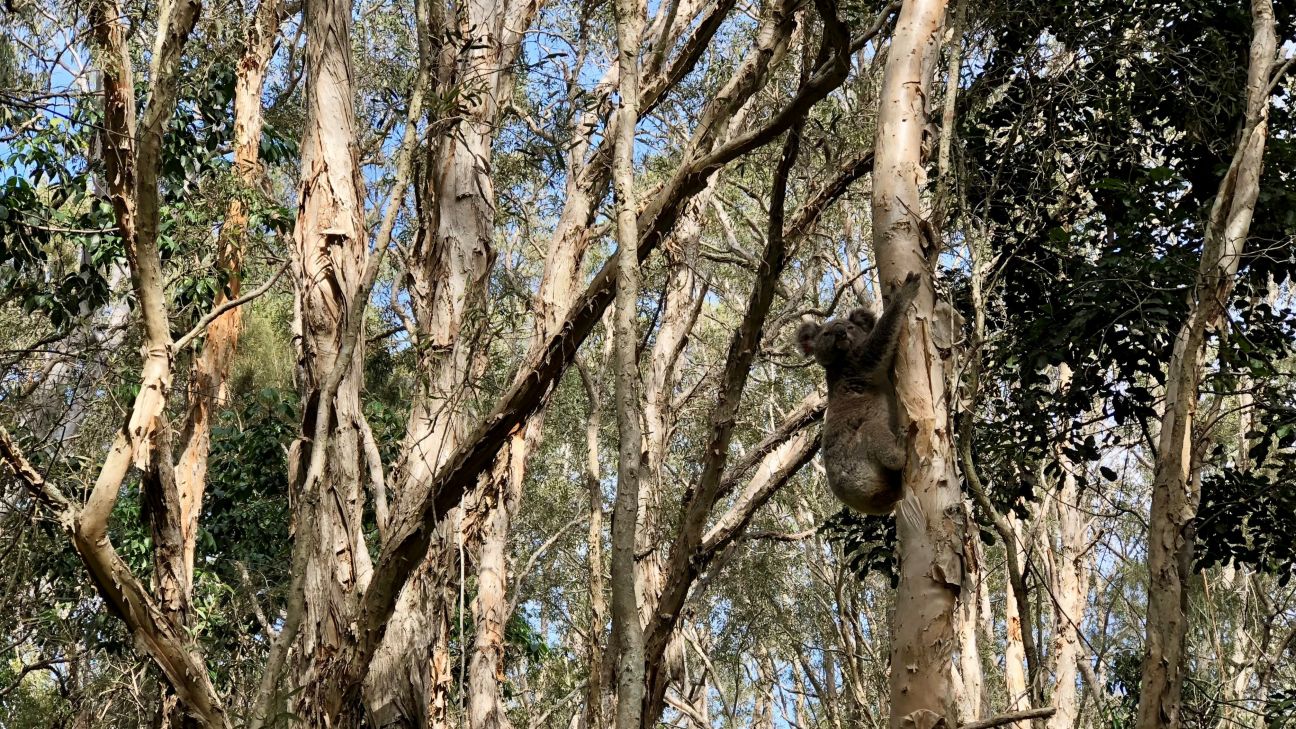
McCoys Creek Wetland provides vital habitat for koalas.
© City of Gold CoastQueensland's second conserved area
McCoys Creek Wetland marks Queensland’s second conserved area – a 146-hectare stretch of rich, living landscape tucked into east Coomera, just north of the Gold Coast. Set within a growing koala corridor, the reserve is part of a broader effort to reconnect fragmented habitats and give native wildlife the space it needs to move, feed, and thrive.
Winding through the property, McCoys Creek itself anchors the site, protecting important riparian zones and linking directly into the internationally recognised Moreton Bay wetlands. Its position alongside Pimpama Conservation Park strengthens an already significant conservation footprint, creating a more resilient refuge for species that depend on these interconnected ecosystems.
The site supports a range of species, including koalas, tusked frogs, and water mice, which depend on its wetland and forest habitats. It contains several nationally threatened ecological communities, including coastal saltmarsh and coastal swamp oak forest. These sit alongside paperbark and blackbutt open forests, creating a mix of habitats across the reserve. Native plant species such as the Moreton Bay lily are also present, reflecting the area’s ecological diversity.
Could your property be eligible for conserved area status?
If you’re a landholder who’s passionate about preserving our native flora and fauna, or if your land management efforts naturally support biodiversity, you might want to consider conserved area recognition for your property. It won’t change what you do day-to-day – but it will help safeguard biodiversity, unlock new opportunities, and give you a seat at the conservation table.
Interested? Get in touch with the team at oecms@detsi.qld.gov.au to learn more or email them your completed Site Assessment.
Conserved area FAQs
Are conserved areas protected from mining or other development activities?
Conserved area recognition on its own doesn’t change legal rights over the land. If current leases or permits allow certain activities, they can still occur. That being said, if those activities start undermining biodiversity conservation, conserved area recognition could be withdrawn.
Do conserved areas come with rates exemptions or tax concessions?
There are no automatic rate concessions or tax breaks for conserved areas. However, being recognised can open doors to partnerships with conservation groups and may make you eligible for future funding opportunities – like those planned under the Nature Repair Market.
Do you have to choose between your property being a conserved area or a protected area?
The short answer is yes: your land can’t be both at the same time.
If you’re undecided, you should consider the Private Protected Area Program first. For large blocks of land with high biodiversity values, protected area status is encouraged over conserved area status.
If your property doesn’t meet the requirements for protected area status, conserved area status is still a fantastic option. There’s also the potential to later transition from a conserved area to a protected area if it suits your goals and the land meets the requirements.
Newsletter
Get involved and stay informed with our handpicked environmental news, tips, and stories sent directly to your inbox.