Issued: 14 October
7 mins read
How do you recycle clothes? Is it even possible? And if not, what’s the harm in chucking your old garments in your kerbside bin?
While recycling in Queensland has come a long way, there are still some items that cause a bit of bin confusion. One of the biggest culprits is textiles – and considering how many variables there are in this space, it’s not hard to see why many people don’t know what to do with their pre-loved gear.
Around 200,000 tonnes of clothing go to Australian landfills every year – so how do we fix it? Queensland's new waste strategy is focused on slashing these numbers, aiming to achieve an overall 65 per cent recycling rate and cut waste to landfill by 2.6 million tonnes by 2035. Textile waste is a problem area identified in the strategy – so it's important to learn how we can reduce it.
We’re here to clear up some of the most common questions about textile recycling, including how it works, what happens to your old clothes, and what you can do to stop textiles from going to landfill.
What is textile recycling?
When you think about recycling, your mind probably jumps to the usual suspects – bottles, cans, and paper. But what about that old pair of jeans you’ve been holding onto since 2010, or the T-shirt that’s seen better days? Enter textile recycling – the unsung hero of the sustainability world. It’s the process of giving unwanted fabrics a second life, keeping them out of landfill and turning them into something new and useful.
Why is textile recycling important?
Why should you care about textile recycling? For starters, it’s a game-changer for the environment because it reduces the amount of waste going to landfill. Plus, recycling textiles saves water and energy that would otherwise be used to produce new materials – the 2,700 litres of water it takes to make a single cotton T-shirt could be put to better use.
The benefits aren’t just environmental – textile recycling has a social impact too. Many organisations (like the op-shops you’re probably familiar with) use the proceeds from selling second-hand clothing to fund community programs and support vulnerable Australians.
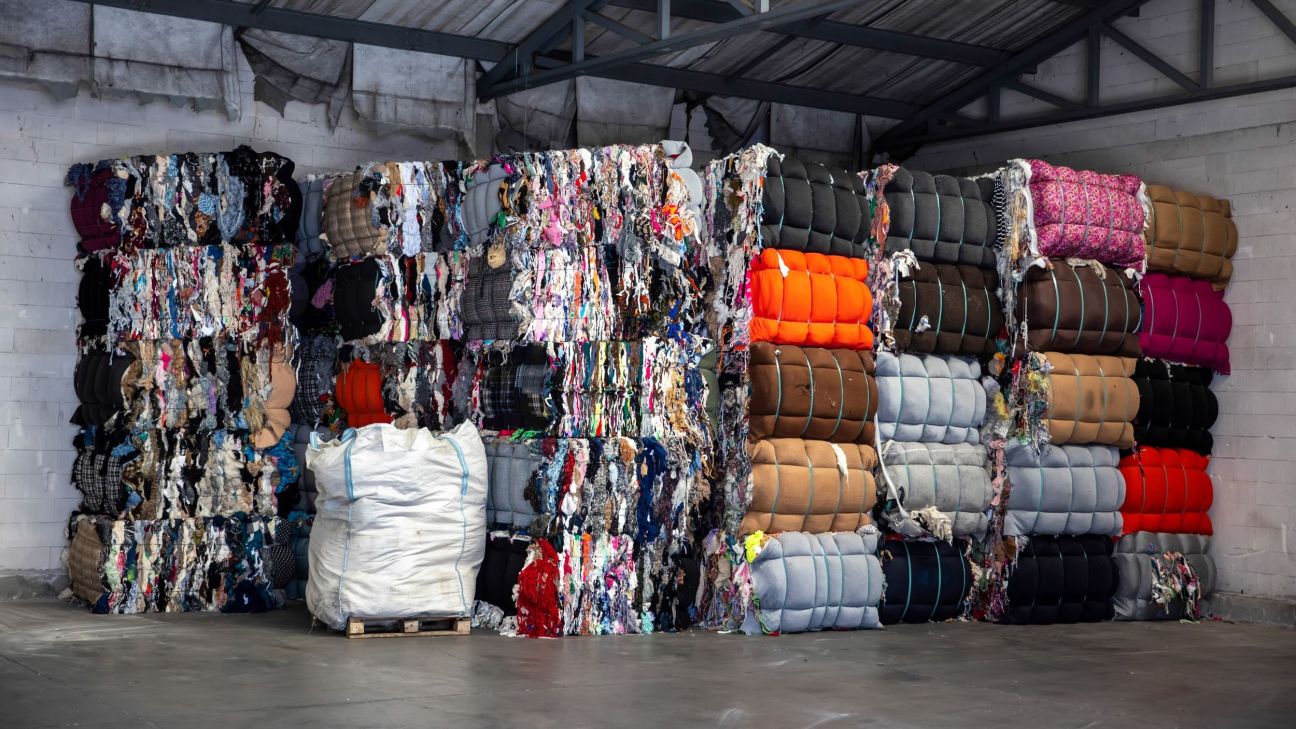
Reuse or recycle? Some textiles get processed in various ways to get a second life.
How does textile recycling work?
Textile recycling is a lot more sophisticated than just tossing your old clothes into a donation bin – here's a quick breakdown of how it works.
Collection: This is where the process starts. This can happen in a variety of ways – from donation bins at your local shopping centre to clothing take-back programs run by retailers. Once the textiles are collected, they’re sent to a facility where the real magic happens.
Sorting: At this point, textiles are separated by material type, condition, and potential for reuse or recycling. A high-quality wool jumper might be resold in a second-hand store, while a worn-out cotton shirt could be recycled through further processing.
Processing: What happens to textiles that are too damaged to be reused? That’s where processing comes in. Depending on the material, textiles can be mechanically shredded into fibres, chemically broken down into raw materials, or even melted and reformed (in the case of synthetic fabrics like polyester). These materials can then be used to create new products – think carpet underlay, car seat stuffing, or even new fabrics.
Textile recycling isn’t without its challenges. Mixed materials (like a cotton-polyester blend) can be tricky to separate, and contamination (like oil stains or mould) can make some textiles unrecyclable. That being said, the tech behind textile recycling is constantly improving, so there is hope for the future.
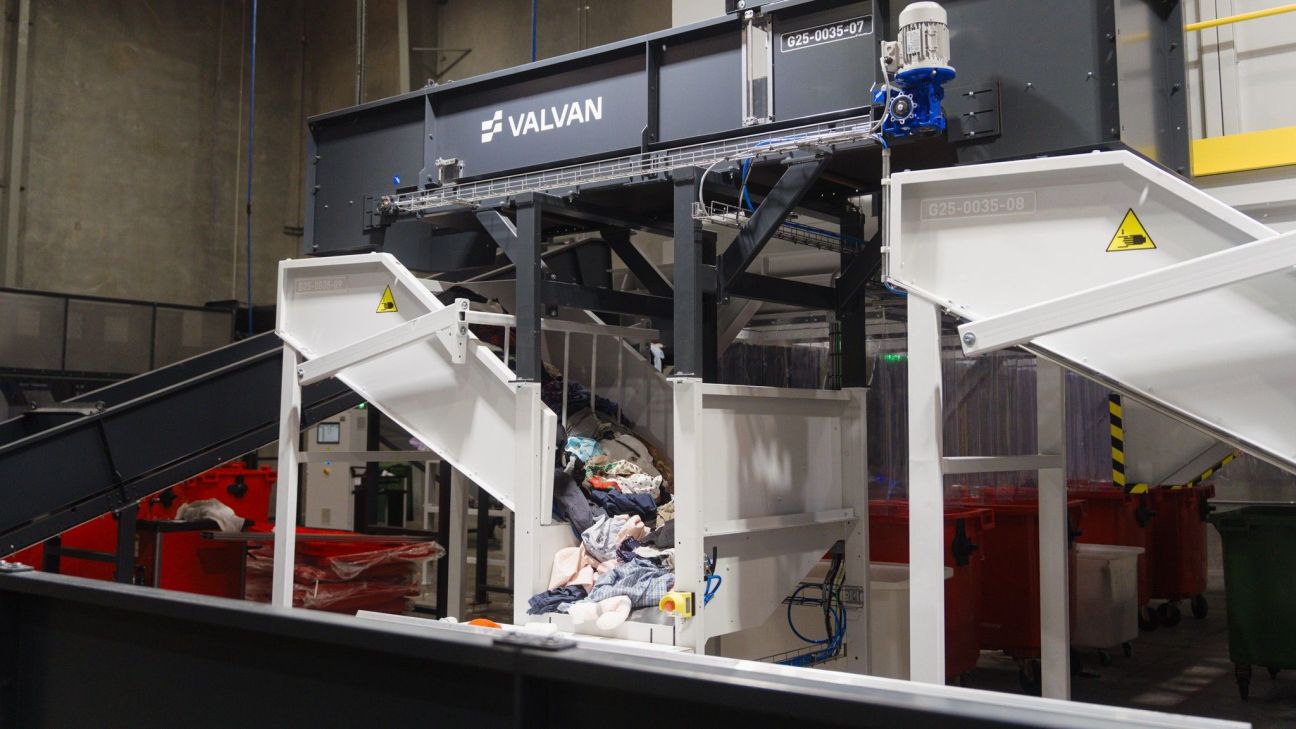
The Salvos Stores Textile Recovery Facility in action – textiles going through the sorting system to meet their fate!
New innovations in textile recovery
Queensland is leading the charge against textile waste with the launch of the Salvos Stores Textile Recovery Facility, Australia’s first automated textile sorting and decommissioning facility. This groundbreaking initiative is set to transform how we manage textile waste, combining cutting-edge technology with a mission for sustainability.
At the heart of the facility is an automated sorting system powered by artificial intelligence (AI) and robotics. It identifies and categorises textiles by material type, colour, and condition with incredible precision, ensuring every item is directed to its best use – whether that’s resale, recycling, or repurposing. The facility also features a decommissioning process to safely remove contaminants like buttons, zips, labels, and reflective materials, creating a clean, raw material that is easier to recycle.
The impact? Thousands of tonnes of textile waste will be diverted from Queensland’s landfills annually, reducing environmental harm while supporting Salvos Stores’ community programs. This facility is not just a win for Queensland but a model for sustainable innovation across Australia.
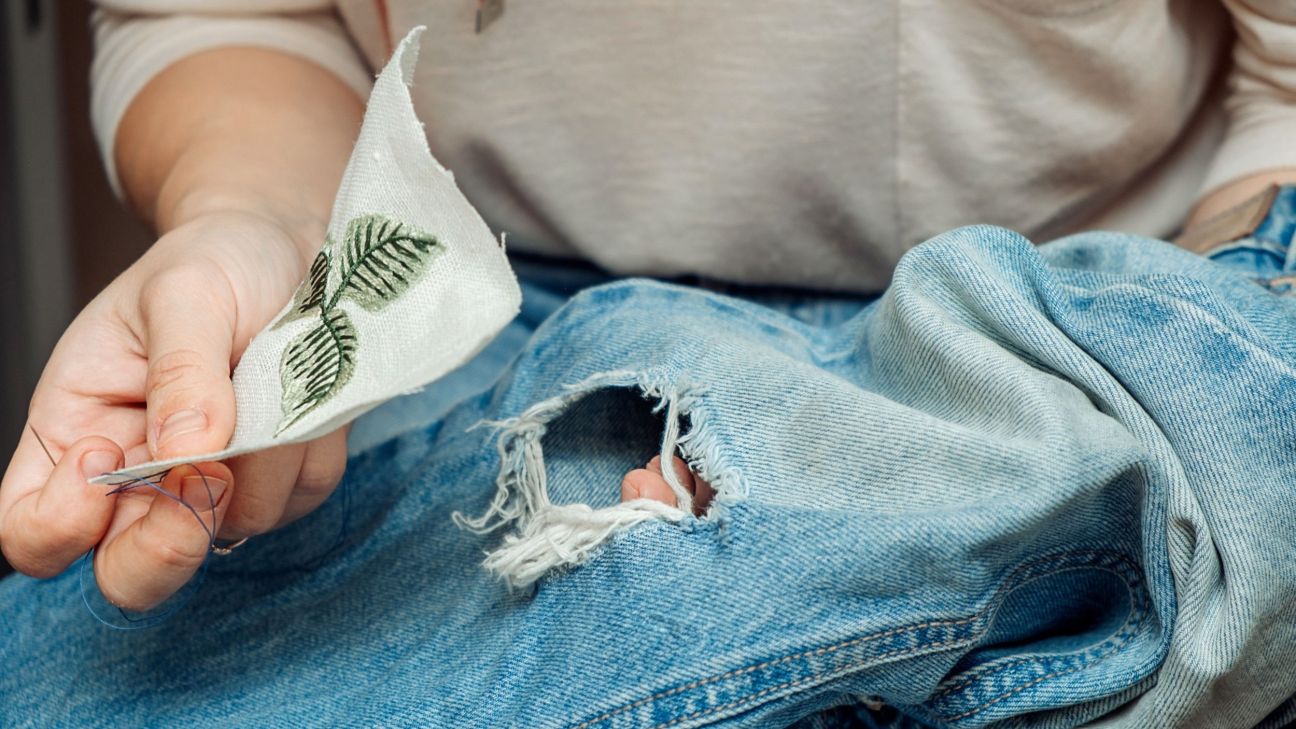
Got a tear or hole in your clothes? There are plenty of creative ways to patch it up.
Recycling clothing and textiles: options in Queensland
While facilities like the Salvos Stores Textile Recovery Facility are leading the way in large-scale textile recycling, there are plenty of other ways you can give your old clothes and fabrics a second life. Here are some practical alternatives to consider:
1. Donate to charities and second-hand stores
Gently used clothing can be donated to organisations like Salvos Stores, Vinnies, or Lifeline. These items are resold to fund community programs or given directly to those in need. Just remember to ensure your donations are clean and in good condition – if you wouldn’t give it to a friend, it’s probably not suitable for donation. Charitable Reuse Australia has a helpful list of tips for donating responsibly, so you can make a good deed great.
2. Upcycle your old clothes
Why not get creative and transform old garments into something new? Turn worn-out jeans into tote bags, T-shirts into cleaning rags, or old jumpers into cosy cushion covers. Upcycling not only reduces waste but also gives you unique, one-of-a-kind items – Anko could never!
3. Host or join a clothing swap
Organise a clothing swap with friends, family, or your local community. It’s a fun, sustainable way to refresh your wardrobe without spending a cent. Many community groups and organisations also host regular swap events – keep an eye out for one near you.
4. Repair and repurpose
Extend the life of your clothes by repairing small tears, replacing buttons, or altering items to fit better. Not a sewing expert? Many local tailors and repair cafes can help you out. A quick internet search or asking in your local Facebook community group can lead you to some very crafty folks.
5. Explore retail take-back programs
Some retailers, like H&M and Zara, offer take-back programs where you can drop off old clothes (any brand) for recycling. These programs often reward you with discounts or vouchers for your next purchase – just be mindful of shopping for the sake of cashing in.
6. Compost natural fabrics
Natural fibres like cotton, wool, and linen can be composted, as long as they’re free of synthetic blends or chemical treatments. Cut the fabric into small pieces to help it break down faster and add it to your compost bin. You can also lay it down under garden mulch for weed suppression.
7. Support local recycling initiatives
Check with your local council or community groups for textile recycling programs. Some areas have dedicated drop-off points for textiles, or even kerbside collection services.
8. Avoid the fast-fashion trap
Try to resist the lure of fast fashion where possible – these garments are churned out on a massive scale and aren’t designed to last. The cheap shirt or dress you wear once will likely contribute to the 200,000 tonnes of clothing that end up in Australian landfills each year. Instead, invest in higher-quality clothing where you can – a well-made piece you reach for regularly has a far better cost per wear than a $10 top that falls apart after one wash.
9. Extend the life of your textiles
Take good care of your textiles – you can get years out of your garments if you launder and store them properly. As the iconic Vivienne Westwood said, “Buy less, choose well, make it last.”
FAQs
Can clothes go in the recycling bin?
No, clothes cannot go in your kerbside recycling bin. Yellow-lid bins are designed for items like paper, cardboard, glass, and certain plastics – not textiles. Putting clothes in your recycling bin can contaminate the recycling stream and cause issues at recycling facilities.
How do I find textile recycling options near me?
There are plenty of ways to find textile recycling options nearby:
Charities and op shops: Check their websites or visit your local store for details. Not sure where your local is? The Charitable Reuse website has a great database where you can search by postcode.
Council programs: Many local councils offer textile recycling services, including drop-off points or collection days. Check your council’s website for information.
Specialised recycling services: Companies like Upparel offer textile recycling, often with pick-up options for a fee.
Online directories: Use websites like Recycling Near You or ask in your local Facebook community group to find local textile recycling initiatives.
What happens to clothes that can’t be resold?
Clothes that are too damaged or worn to be resold can sometimes be recycled or repurposed. They may be shredded into fibres for insulation, padding, or industrial rags.
Can I recycle shoes and accessories?
Yes, many textile recycling programs accept shoes, belts, and accessories. However, it’s best to check with the specific organisation or facility to confirm what they accept. Some retailers also have dedicated programs for recycling shoes and accessories.
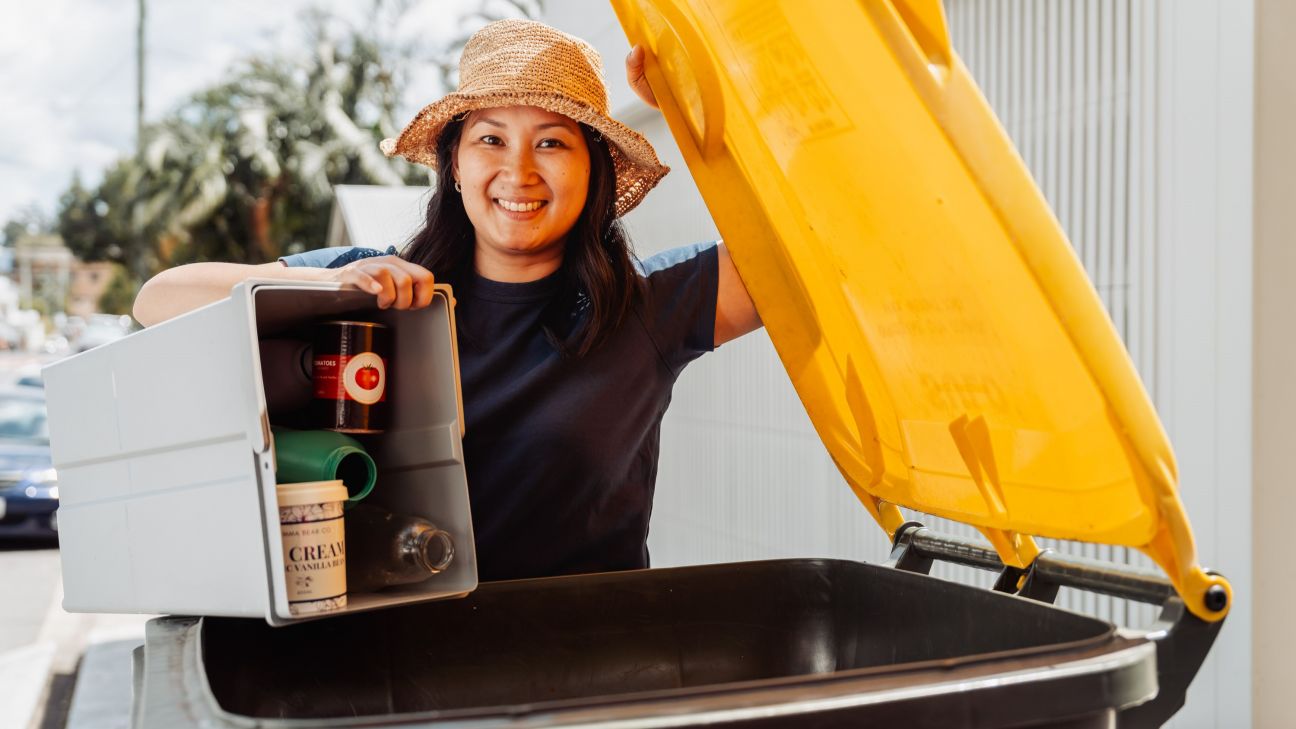
Tackling waste in Queensland
Textile recycling is just one part of a much bigger picture. The Less Landfill, More Recycling 2035: Queensland Waste Strategy is taking a broader approach to reducing waste, increasing recycling, and building a circular economy where materials stay in use for as long as possible. With textiles identified as a priority area for action, the strategy will help drive investment, innovation, and new recovery opportunities across the state. By making thoughtful choices about what we buy, use, and throw away, we can all play a role in creating a less wasteful Queensland.
Newsletter
Get involved and stay informed with our handpicked environmental news, tips, and stories sent directly to your inbox.