Issued: 15 July
7 mins read
Whether you’re a committed composter or a recycling rookie, the benefits of smart waste management cannot be overstated – but with Queensland generating nearly 10 million tonnes of waste each year, you might feel a bit overwhelmed (and, dare we say, jaded). When faced with the existential dread of overflowing landfill, how should you proceed?
The good news is that recycling in Queensland is about to get much easier – thanks to the new Less Landfill, More Recycling 2035: Queensland Waste Strategy. By embracing a few simple changes and making smarter waste choices, you can play a crucial role in reducing landfill, improving recycling rates, and creating a better future for our state.
What is a waste strategy and why do we need one?
Queensland’s new waste strategy is built around a simple idea: waste less and get more value out of what we use. By 2035, the goal is to lift recycling rates to 65% and send less to landfill by making recycling easier and treating waste as a resource.
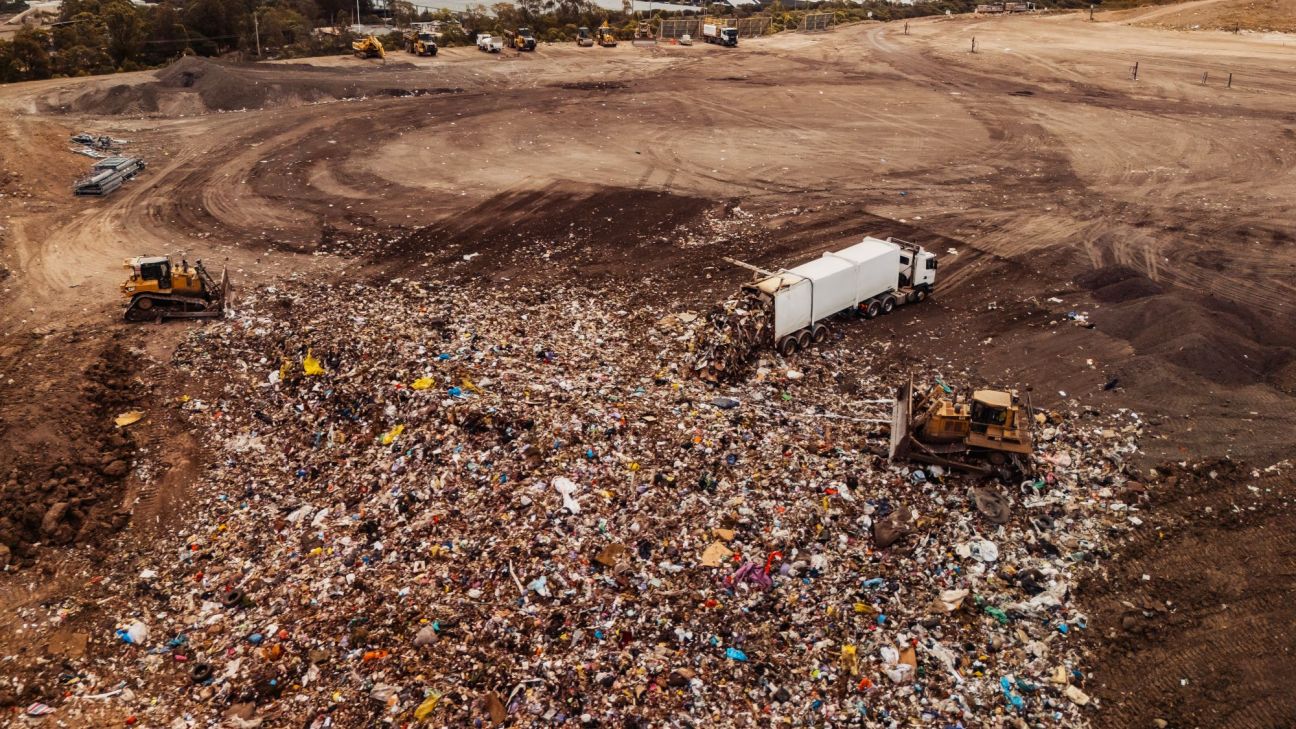
The push comes at a critical time. We’re generating more waste than ever, recycling less, and relying heavily on landfill – which is expensive, takes up valuable land, and isn’t sustainable long-term.
The key shift? Seeing waste as an opportunity. Much of what we throw away can be reused, recycled, or turned into new products – so shifting our perspective on what we see as “rubbish” can benefit the environment and the economy.
The new waste strategy is about doing things smarter: keeping materials in use for longer and making the right choice the easy one, wherever you live in Queensland.
Less Landfill, More Recycling 2035: Queensland Waste Strategy
Queensland is taking bold action to tackle waste and increase recycling. The new Less Landfill, More Recycling 2035: Queensland Waste Strategy aims to achieve an overall 65% recycling rate and cut waste to landfill by…
The waste strategy in action: what’s the plan?
Rather than trying to tackle everything at once, the strategy focuses on three clear priorities to make the biggest difference over time.
1. Making recycling easier (for everyone)
If recycling feels confusing or inconvenient, it’s easy to get it wrong or just opt out altogether.
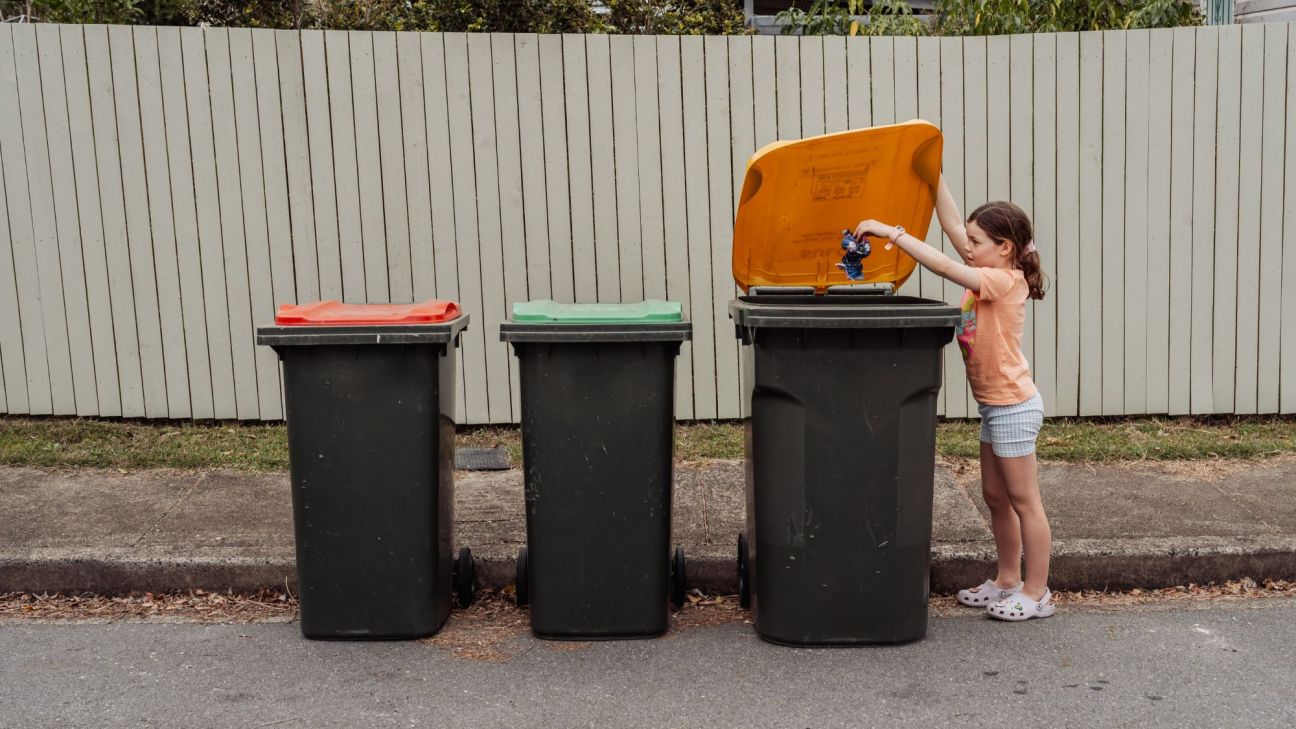
The strategy’s first priority is all about simplicity. Expect clearer bin systems, more consistent messaging, and better access to recycling services across the state. Whether it’s knowing exactly what goes in your yellow-lid bin or having a green-lid organics bin at home, the goal is to make the “right choice” the easy choice.
Education plays a big role here too, with statewide awareness and information designed to cut through the confusion and build better everyday habits.
2. Investing in modern infrastructure
Even the best recycling habits won’t go far without the right systems to back them up.
This part of the plan focuses on building and upgrading waste processing facilities. All levels are getting attention, from local recycling centres to large-scale infrastructure that can turn materials into new products (or even energy). This will be guided by a statewide waste and recycling infrastructure roadmap, which also looks at better transport solutions, especially for regional and remote communities where distance can be a challenge.
In short, it’s about making sure there’s somewhere for all that correctly sorted waste to go – and that it can be turned into valuable new products.
3. Creating demand for recycled materials
Sustaining recycling businesses requires viable markets for the end products. That’s why the third priority focuses on building strong markets for recycled materials – think crushed concrete in road construction or recycled plastics manufactured into new products. The idea is to make recycled materials a go-to choice, not a second-best option.
Together, these three priorities form the backbone of the strategy. Make recycling easier, build the systems to support it, and ensure there’s real value in what comes out the other side.
What the strategy means for you
This is all great in theory, but what does it mean for the everyday Queenslander? It’s progress over perfection – we can’t solve all our recycling roadblocks overnight, but you’ll start to notice small changes that make it easier to do the right thing.
At home
You can expect clearer guidance on what goes where, and in some cases, better bin systems. That might mean more access to green-lid bins for food and garden waste, clearer labelling, or consistent rules across councils so you’re not second-guessing every item before you recycle it.
There will also be a bigger push around simple habits like reducing food waste, reusing what you can to save your household money, and maximising the opportunity to keep recyclable materials out of the red-lid bin.
In your community
Beyond your front door, the changes are just as visible. Cleaner streets, parks, and waterways are a big focus, with efforts to cut down litter and illegal dumping. You may also see more local recycling initiatives, drop-off points, or community education campaigns designed to make recycling second nature.
Importantly, the strategy recognises that every region is different. Solutions should feel local and practical, whether you’re in Brisbane or Birdsville.
In your wallet
Reducing things like food waste can save households money, and programs like the container refund scheme (your 10c bottles and cans) will continue to put cash back in your pocket. Over the longer term, reducing reliance on landfill helps manage rising waste costs – not to mention recycling industries create nine jobs for every three jobs managing the same waste to landfill.
What goes in the bin (and why it matters)
If there’s one place where this strategy really comes to life, it’s your household bins. Right now, almost half of what Queenslanders throw into their red-lid bin is food and garden waste – and a big chunk of the rest has recycling potential. In other words, a lot of what we’re sending to landfill doesn’t need to be there.
The fix isn’t complicated, but it does rely on getting the basics right:
Yellow-lid bin: paper, cardboard, glass, metals, hard plastics
Green-lid bin (where available): garden waste
Red-lid bin: everything else (except some tricky items we’re about to address)
Sorting your rubbish properly matters more than you might think. When recyclables end up in landfill, their value is lost, and when the wrong items go into recycling, they can disrupt the sorting process and create unsafe environments.
The problem items
While all waste matters, the strategy spotlights a few key troublemakers – the items causing the most harm or offering the biggest opportunity if recycled properly.
Here’s a quick snapshot:
Food and garden waste: makes up a huge portion of landfill, but can be turned into compost or energy.
Plastics: widely used, slow to break down, tricky to recycle without the right systems.
Batteries: a growing fire risk when disposed of incorrectly (we’ve got plenty of advice on safe battery disposal).
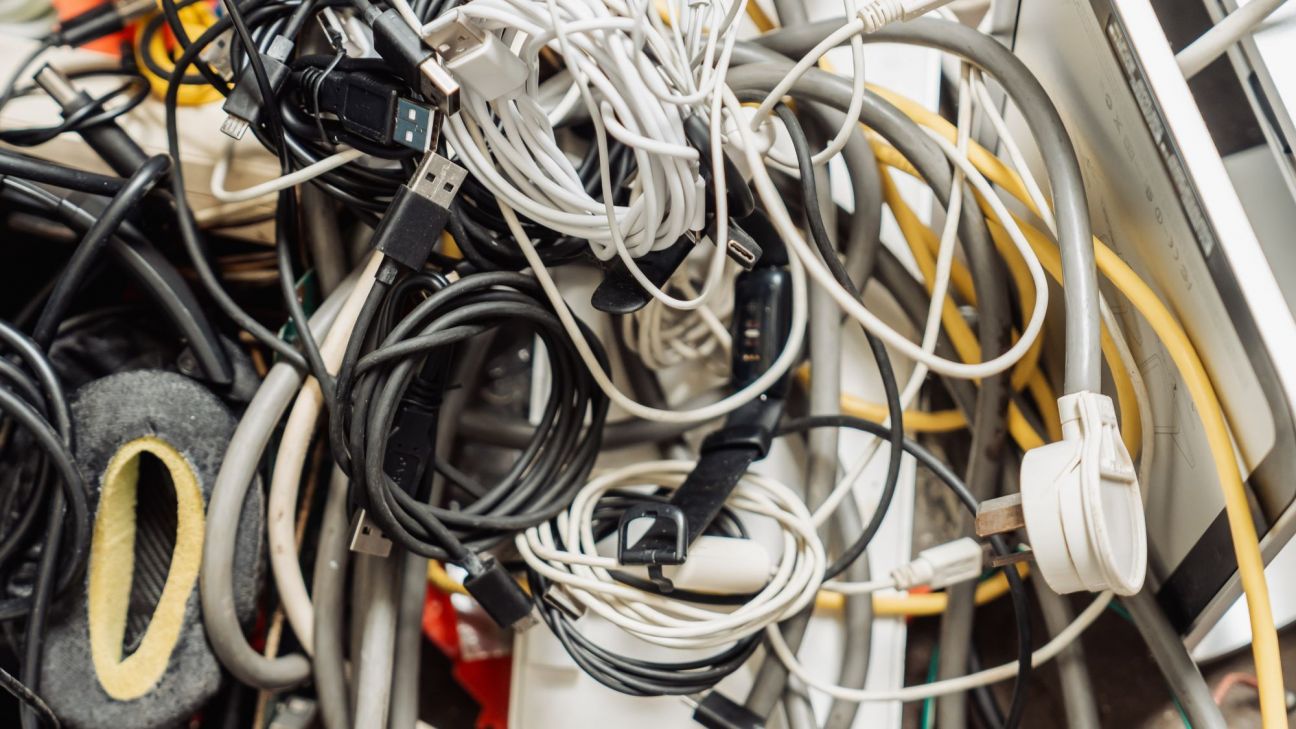
E-waste (including solar panels): packed with valuable materials like copper and gold.
Tyres and mattresses: bulky, hard to process, often illegally dumped.
Textiles: driven by fast fashion, with limited recycling options currently.
You don’t need to memorise every detail – the key point is that these items require a bit more care, and they’re where change will have the biggest impact. Our tip? If you’re ever stuck on which bin to use, Recycle Mate can help you sort it – just plug in your location and item to receive the most accurate local advice.
The bigger opportunity: waste and our economy
It’s easy to think of waste as purely an environmental issue, but there’s a strong economic story here too.
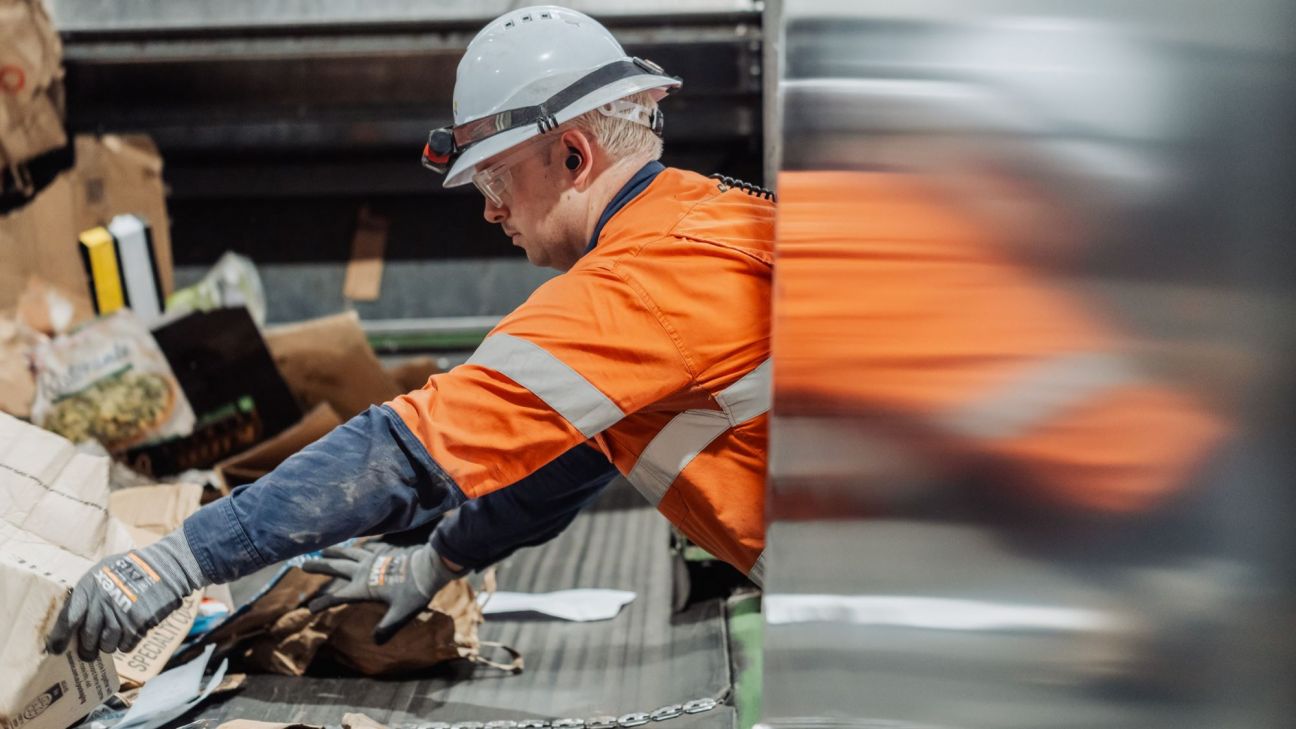
Recycling and reusing materials have benefits beyond the bin – investing in sustainable practices creates jobs, supports new industries, and opens up opportunities across the state. In fact, recycling generates significantly more jobs than landfill for the same amount of waste.
That means more local industries turning old materials into new products, more innovation in how we manage waste, and stronger regional economies – particularly in areas where new infrastructure and processing facilities are needed.
So while the strategy is tackling a problem, it’s also building something bigger: a circular economy where materials are kept in use for longer.
Newsletter
Get involved and stay informed with our handpicked environmental news, tips, and stories sent directly to your inbox.