Issued: 11 September 2025
6 mins read
Fact: As well as being home to breathtaking landscapes, beautiful weather, and the superior State of Origin team, Queensland has some of the cutest animals in the world. From the bush to the beach and even your backyard, Queensland’s wildlife isn’t just diverse – it’s downright adorable.
While it’s easy to get swept up in the cuteness, these animals also play important roles in their ecosystems. Whether pollinating plants, spreading seeds, or keeping insect numbers in check, our native wildlife is crucial to our state’s incredible biodiversity.
Note: This list focuses on marvellous mammals, but we acknowledge that this is just a small representation of the fauna that call our state home. Keep your eyes peeled for future Down to Earth blogs that showcase the cuteness of our more scaly and feathered friends.
So, if you're ready for a serotonin boost, keep scrolling. We’ve rounded up some of Queensland’s cutest native mammals – from the obvious crowd-pleasers to a few you might not have heard of (yet).

Northern hairy-nosed wombat.
Northern hairy-nosed wombat
With their twitchy noses and chunky figures, northern hairy-nosed wombats are undeniably cute – but their real importance lies beneath the surface. Beyond their adorable appearance, these wombats are one of the world’s rarest mammals – found only in three small protected areas in Queensland. As expert burrowers, they help aerate soil and support healthy ecosystems. Their survival is a testament to Queensland’s conservation efforts and a reminder of how even the most elusive creatures play a vital role in our environment.

Koala.
Koala
Cute Australian animals don’t come much more iconic than the koala – their fuzzy ears and perpetually sleepy demeanour have endeared these sweet creatures to people worldwide. These little legends are a vital part of Queensland’s eucalypt forests, helping to maintain healthy tree growth through selective feeding and contributing to nutrient cycling via their scat.
Their presence is also a sign of a functioning ecosystem – when koalas are thriving, it often means the surrounding environment is too. Sadly, habitat loss, disease, death from car strikes and dog attacks, plus climate change are putting pressure on wild populations, making conservation efforts more important than ever.
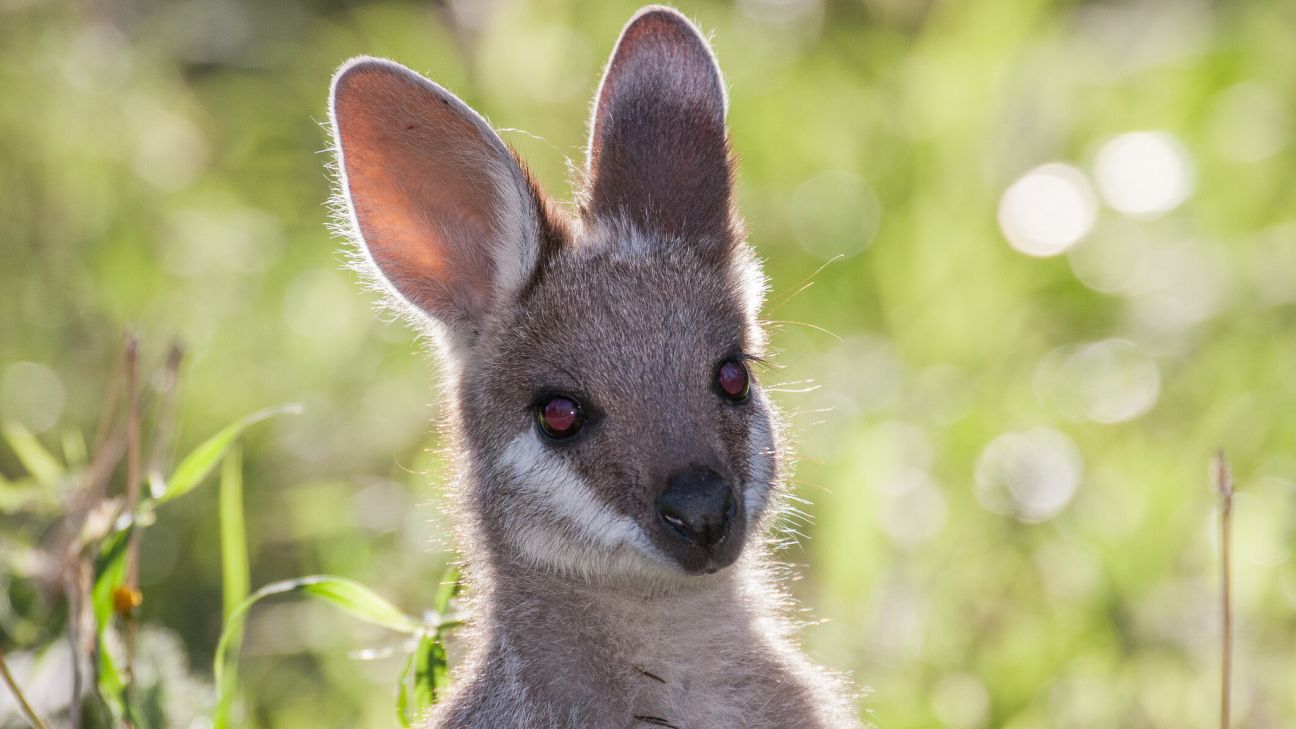
Whiptail wallaby.
Whiptail wallaby
Queensland is home to many adorable macropods, but it’s hard to compete with the whiptail wallaby in terms of cuteness – after all, it’s nicknamed the pretty-faced wallaby for a reason! Their sleek bodies and striking facial markings make them one of Queensland’s most graceful woodland dwellers.
As well as being model-level gorgeous, these fascinating creatures play a key role in shaping their environment – by grazing selectively on grasses and herbs, whiptails help manage plant growth and promote biodiversity in grassy open forests and woodlands.
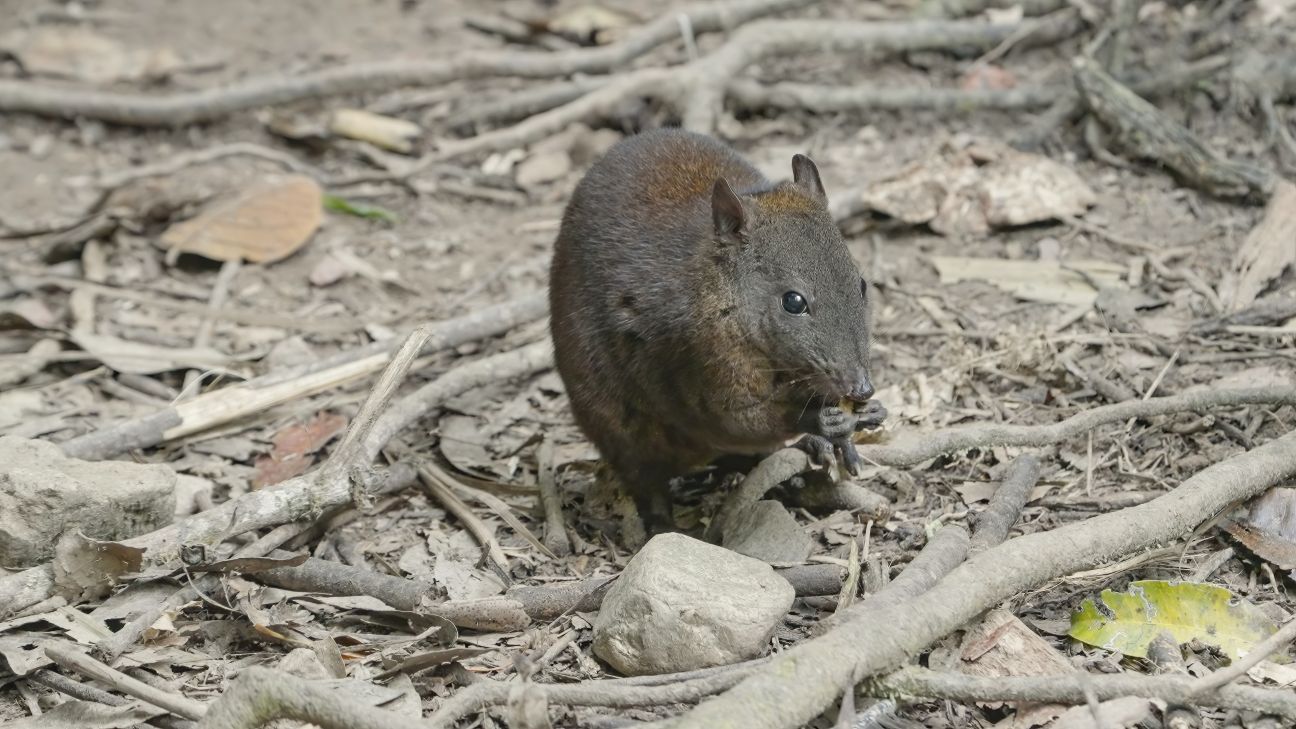
Musky rat-kangaroo.
Musky rat-kangaroo
Small and shy, the musky rat-kangaroo is one of Queensland’s most unique (and surprisingly cute) rainforest residents. Found only in the Wet Tropics, this tiny marsupial is considered a living fossil, believed to be the most primitive member of the kangaroo family.
Unlike its hopping relatives, it moves with a bounding gait and often uses its front paws to carry food. Ecologically, it plays a crucial role as a seed disperser, helping to regenerate rainforest plants by burying fruits and nuts that may later sprout. This cutie’s quiet presence is a sign of a healthy, intact rainforest – and a reminder of the delicate balance that keeps these ancient ecosystems ticking.
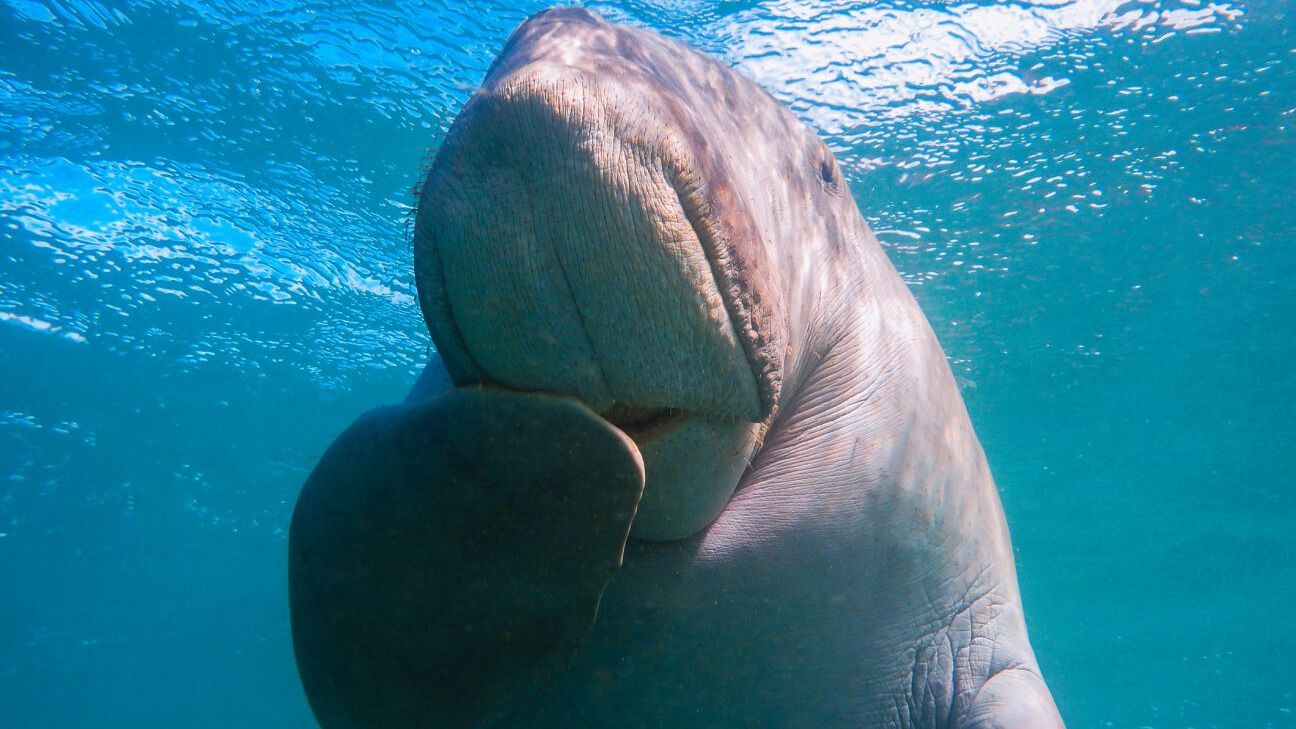
Dugong.
Dugong
With their gentle eyes and slow, gliding movements, dugongs have a calm, endearing presence that’s earned them the nickname “sea cows.” Found along Queensland’s coast, especially in the Great Barrier Reef, Great Sandy Strait, and Moreton Bay, they play a vital role in keeping seagrass meadows healthy by grazing and trimming fast-growing species. These underwater gardeners help maintain balance in marine ecosystems that support countless other species.
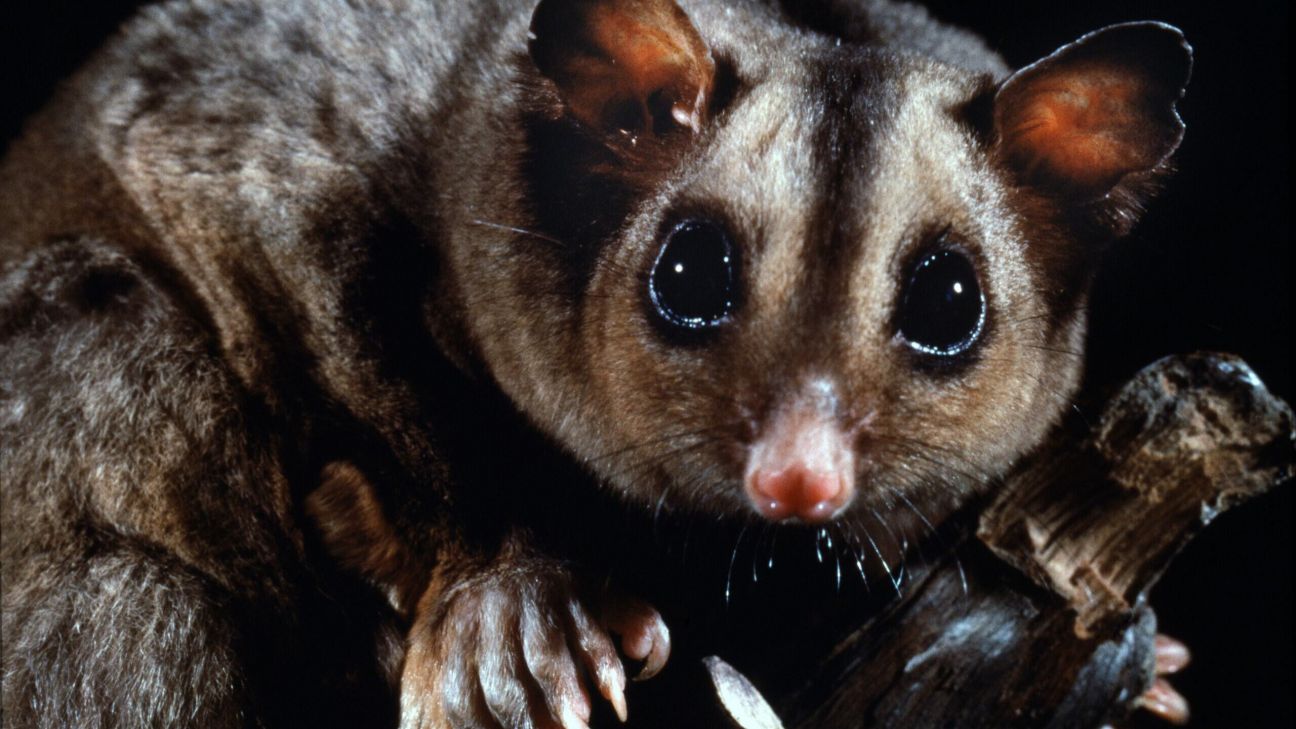
Mahogany glider.
Queensland MuseumMahogany glider
The mahogany glider is one of Queensland’s rarest marsupials (and arguably one of its most charming) – just look at those peepers! Found only in narrow, patchy strips of habitat in the Wet Tropics region in far north Queensland, this glider depends on healthy, connected forests to move, feed, and nest. As a nighttime nectar feeder and pollinator, it plays a subtle but vital role in supporting the plants of its habitat.
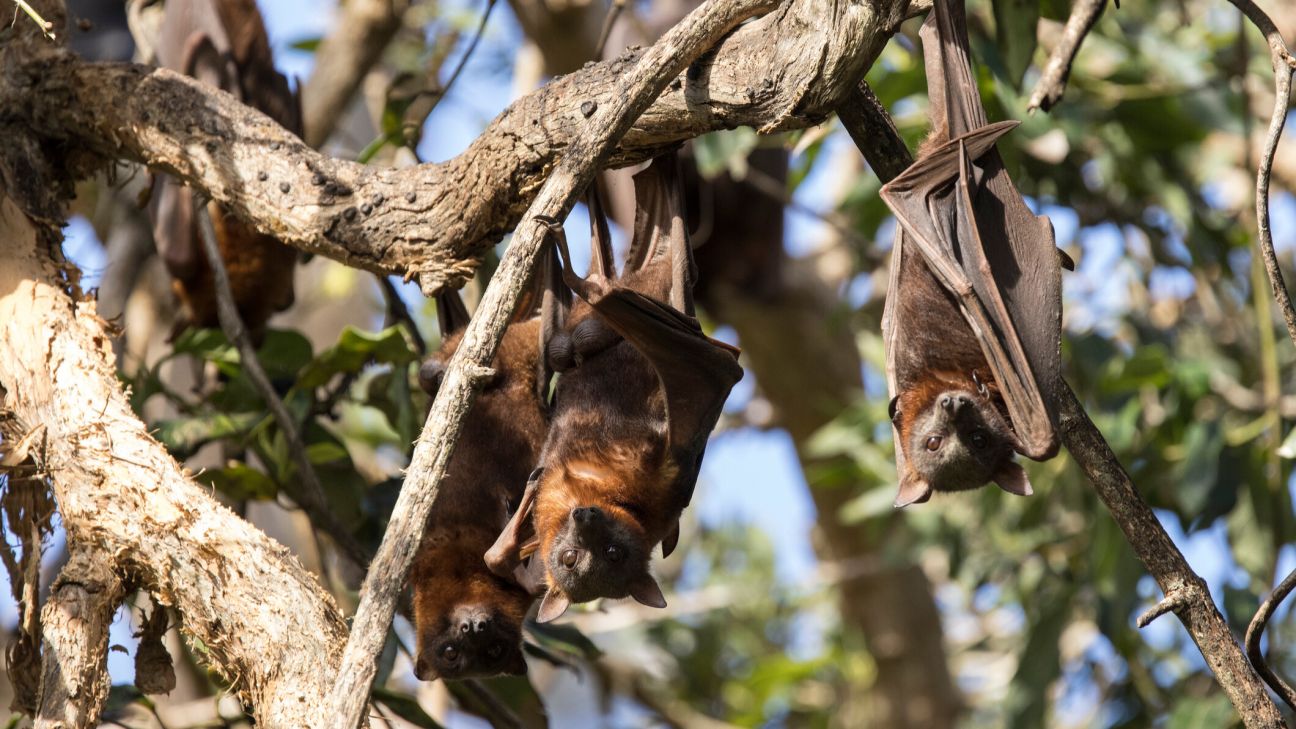
Little red flying-foxes.
Little red flying-fox
The little red flying-fox may be one of Queensland’s more misunderstood animals, but take a closer look before you judge – their fox-like faces, fluffy reddish fur, and social roosts might just win you over! These highly mobile pollinators play a critical role in the health of native forests, travelling long distances to feed on nectar and spreading pollen between trees as they go.
Without flying-foxes, many eucalypts and rainforest species would struggle to reproduce. Despite their ecological importance, they often face negative perceptions, so building awareness, protecting their habitats, and learning how to peacefully live with them is key to keeping Queensland’s forests flourishing.
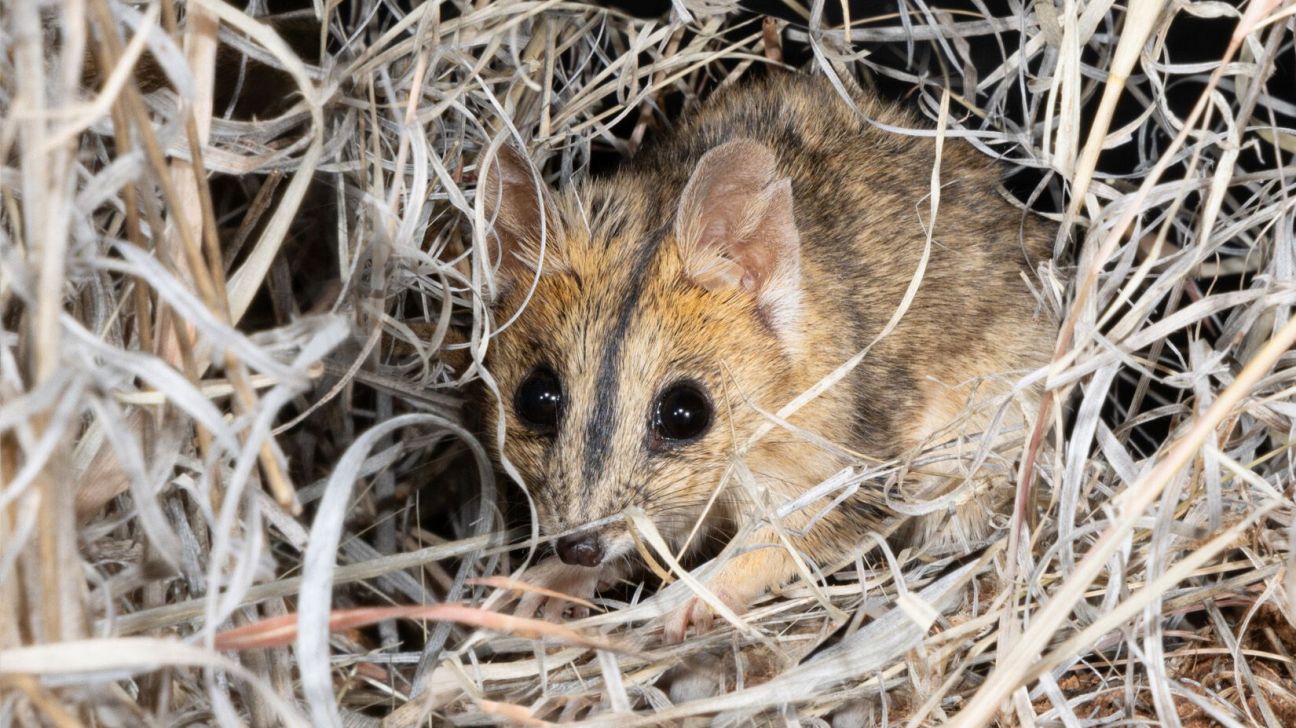
The Julia Creek dunnart is one of nine species of dunnart currently found in Queensland.
Andrew BakerDunnart
Don’t let their small size and whimsical face fool you – dunnarts are among Queensland’s most energetic little predators. These petite marsupials may look sweet, but they’re fierce insect and arthropod hunters, playing a valuable role in controlling bugs and balancing ecosystems. They’re also incredibly tough – they can live in harsh habitats like desert sand dunes and arid grasslands but are also known to reside in grassy open forests.
There are nine species of dunnart currently in Queensland, with species like the Julia Creek dunnart (pictured) listed as Vulnerable. Spotting one in the wild is a rare treat – but knowing they’re out there quietly keeping ecosystems in check is just as rewarding.

Lumholtz’s tree kangaroo.
Lumholtz’s tree-kangaroo
High up in the canopy of Queensland’s Wet Tropics rainforests lives one of Australia’s most surprising marsupials: Lumholtz’s tree-kangaroo. Their fluffy coats and teddy bear faces wouldn’t be out of place in a kid’s picture book, but these agile climbers are perfectly adapted to life in the trees. Unlike their ground-dwelling cousins, tree-kangaroos feed on leaves, fruit, and flowers, playing a quiet but important role in shaping the rainforest ecosystem.
Newsletter
Get involved and stay informed with our handpicked environmental news, tips, and stories sent directly to your inbox.