Issued: 13 June
8 mins read
It’s not hard to see why so many people are fascinated by weird sea creatures. While exact figures vary, current information indicates that we've mapped just under 30% of the ocean floor – which leaves a lot of mystery! As Australia’s most biodiverse state, Queensland plays host to a whole bunch of incredible marine life. The Great Barrier Reef alone is a treasure trove of critters, from marine turtles and dolphins through to sea stars and sea snakes.
Beyond their intrigue, these creatures play vital roles in maintaining healthy ecosystems, supporting tourism, and even inspiring scientific discoveries. As much as we love fawning over pictures of cute animals, we believe the freaks of the ocean (and we use this term affectionately) deserve their time to shine. From walking sharks to bum-dwelling parasites, we’ve tracked down Queensland’s weirdest sea creatures to satisfy your morbid curiosity.

Sea angel (Clade Gymnosomata)
Sea angels are tiny, otherworldly molluscs that look like translucent, winged fairies gliding through the ocean. Despite their delicate appearance, these gelatinous creatures are actually predatory sea slugs, using tentacle-like appendages to grab and consume their slower-moving relatives, the sea butterflies. Found in oceans worldwide, sea angels have been spotted in Queensland’s warm waters, particularly in deep sea offshore regions.
Unlike most molluscs, they lack shells, relying on their streamlined bodies to "fly" through the water. Some species even produce chemicals that make them taste bad to predators, ensuring their survival despite their ghostly, fragile form.
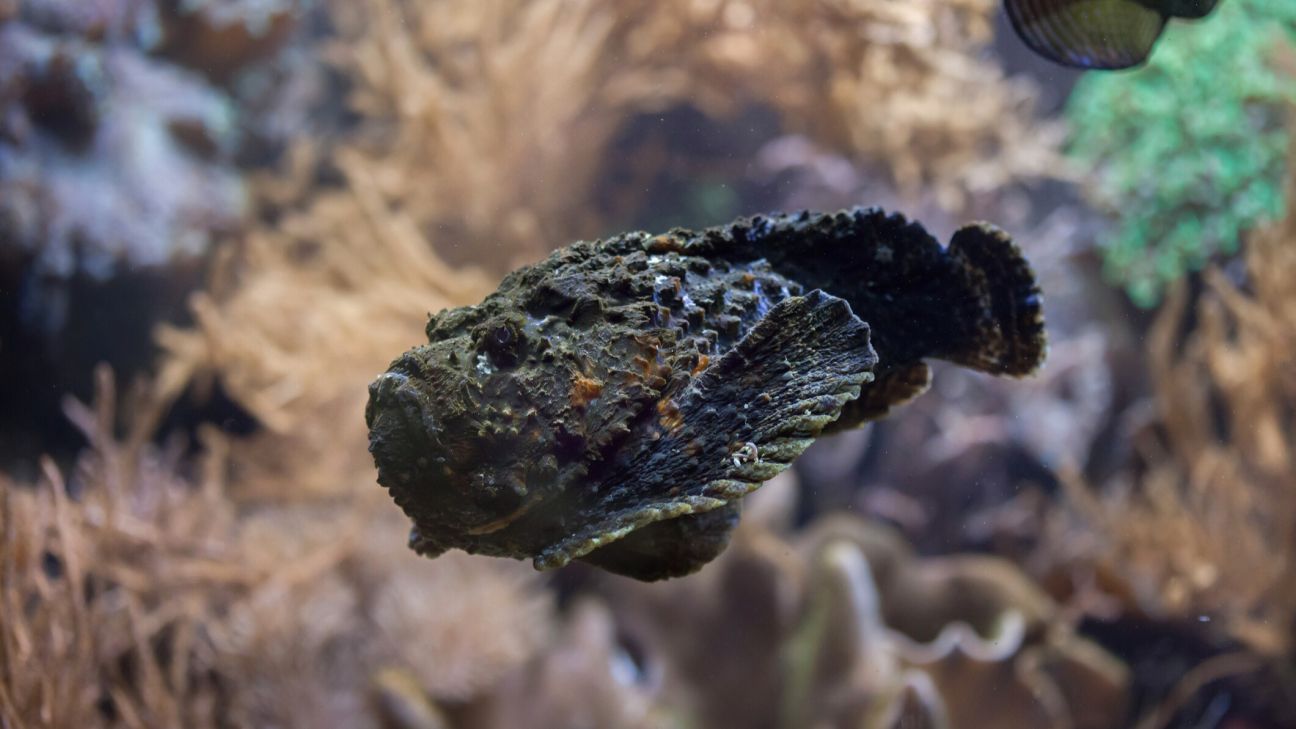
Stonefish (Synanceiahorrida)
The stonefish is the ocean’s ultimate master of disguise – and the most venomous fish in the world. Found along Queensland’s coast, particularly in the Great Barrier Reef and estuarine waters, this grumpy-looking fish blends perfectly with rocks and coral, making it nearly invisible to unsuspecting prey (and barefoot swimmers!).
Its spiky dorsal fin contains potent venom that can cause excruciating pain, swelling, and even paralysis in severe cases. Despite their dangerous reputation, stonefish are fascinating ambush predators, striking at lightning speed to snatch passing fish. Fun fact: they can survive out of water for up to 24 hours if their skin remains wet, which is an adaptation for living in tidal areas!
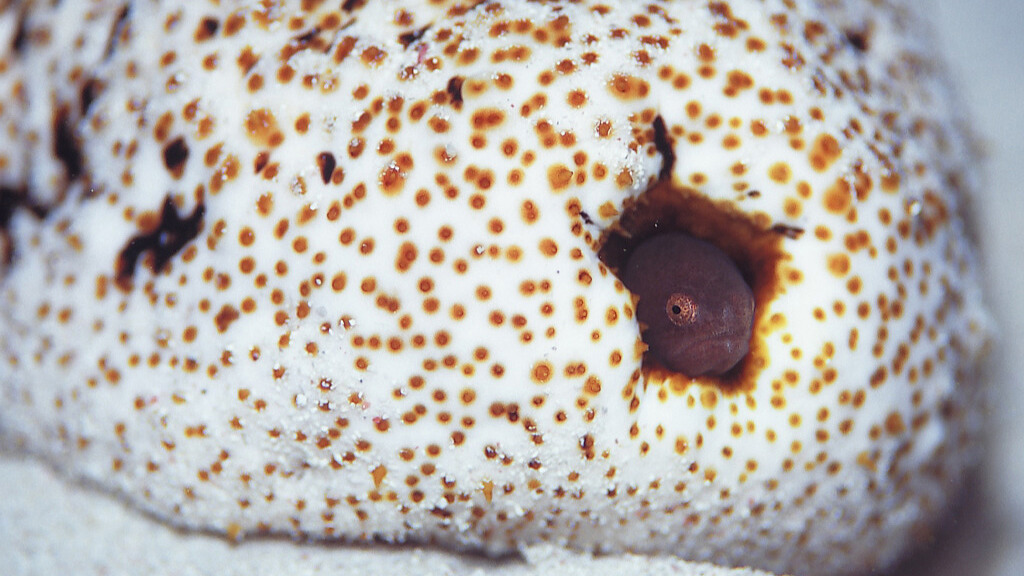
Pearlfish (Family Carapidae)
Pearlfish might look unassuming at first glance, but their lifestyle is anything but ordinary. These slender, eel-like fish are found in Queensland’s tropical waters, often hiding within the shallow reef outcrops and sandy seabeds.
What makes them truly bizarre is their unusual choice of home – they live inside the body cavities of sea cucumbers, breathing and sheltering within their hosts. Some species have a mutualistic relationship (where both species benefit), while others are parasitic, even nibbling on their host’s internal organs. Despite their odd living arrangements, pearlfish are agile swimmers and can dart in and out of their host with impressive speed when threatened.
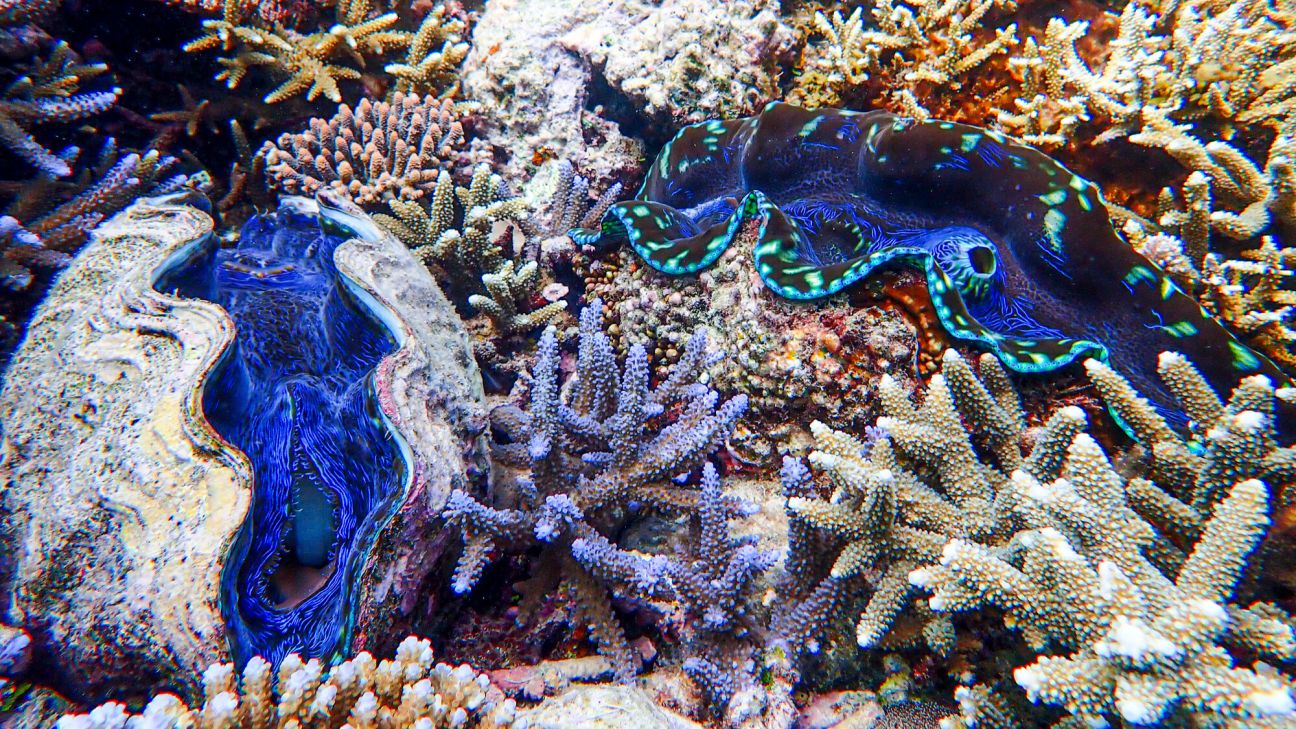
Giant clam (Tridacna spp.)
Giant clams are the gentle giants of Queensland’s coral reefs, growing over a metre wide and weighing hundreds of kilograms. Found throughout the Great Barrier Reef, these massive molluscs are famous for their vibrant, iridescent mantles, which shimmer in brilliant blues, greens, and purples.
Despite their size, giant clams are harmless filter feeders, relying on both plankton and a symbiotic relationship with single-celled algae, called zooxanthellae, in their tissues to produce energy. They can live for over 100 years and remain in the same spot their entire lives. If you’re lucky enough to spot one, don’t worry: unlike myths suggest, they don’t snap shut on unsuspecting divers!
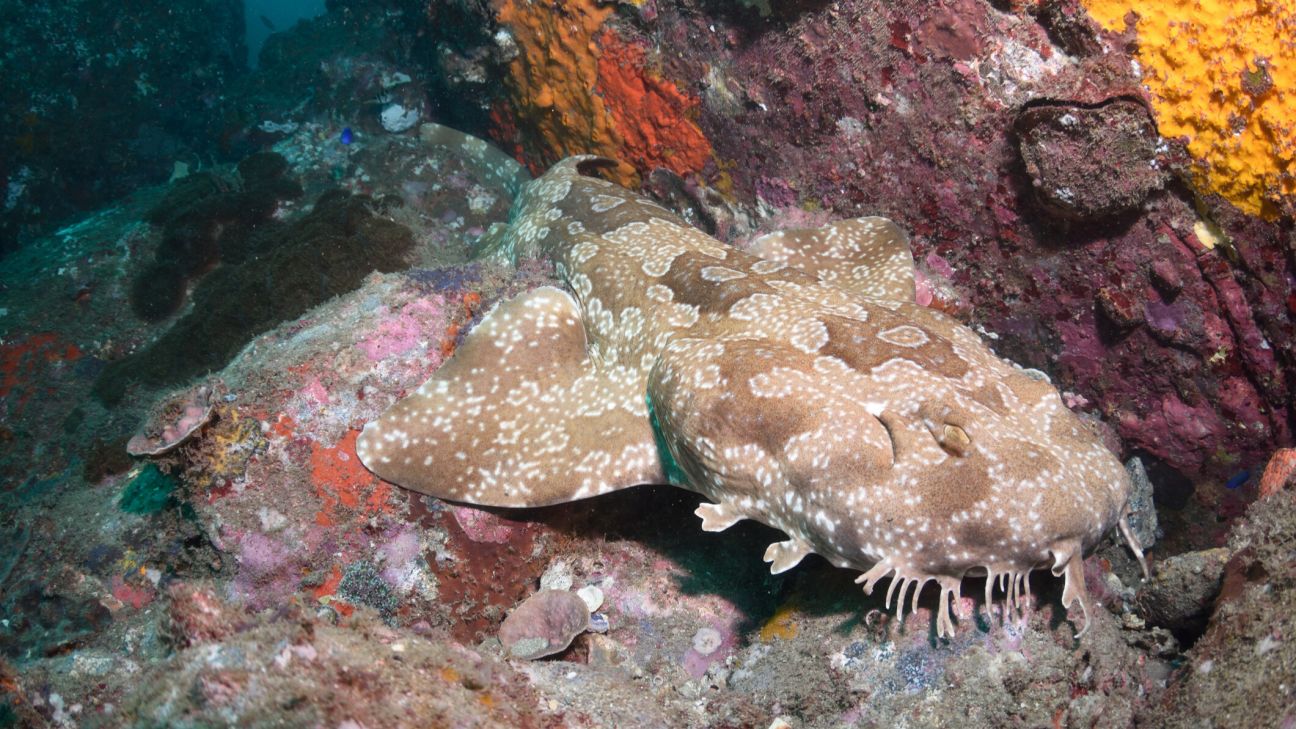
Wobbegong (Family Orectolobidae)
Wobbegongs are the masters of ambush in Queensland’s coastal waters, lurking on the sea floor with their intricate, carpet-like patterns that make them nearly invisible against sand and reef. These bottom-dwelling sharks rely on stealth and patience, waiting for unsuspecting fish to swim too close before striking with lightning speed. Their fringed, whisker-like barbels help them sense prey, adding to their quirky, bearded appearance. Found from the Great Barrier Reef to temperate southern waters, wobbegongs are generally docile but can deliver a strong bite if disturbed.

Nudibranch
Brilliantly coloured and endlessly diverse, nudibranchs are some of the most eye-catching creatures in Queensland’s waters. These soft-bodied sea slugs come in an astonishing variety of shapes and hues, from electric blue to fiery orange, often warning predators of their toxicity.
Found in coral reefs, rocky shores, and even mangroves, they absorb toxins from their prey – such as sponges or jellyfish – to use as their own chemical defence. Some species even steal stinging cells from jellyfish and repurpose them for protection. Despite their delicate appearance, nudibranchs are hardy survivors, thriving in environments from the tropics to deep-sea trenches.
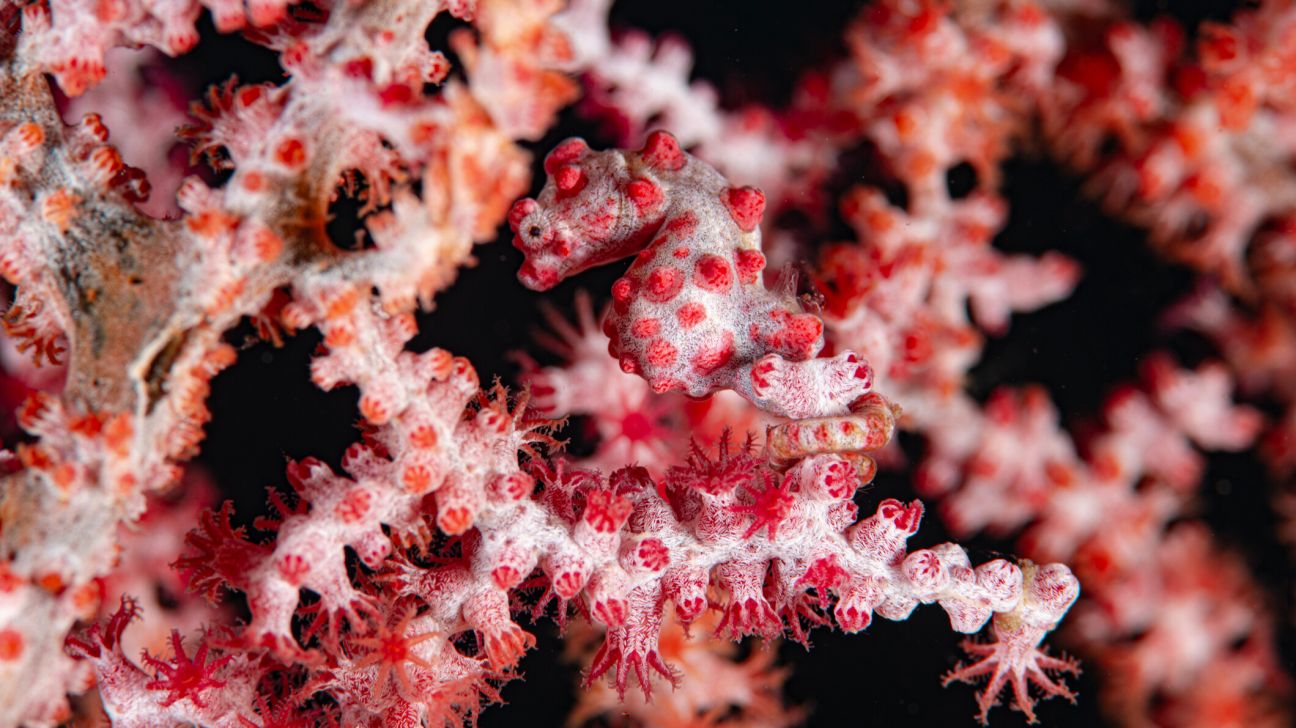
Pygmy seahorse (Hippocampus Bargibanti)
Tiny, elusive, and perfectly camouflaged, pygmy seahorses are some of the hardest creatures to spot in Queensland’s coral reefs. Measuring less than 2.5 cm long, these miniature marvels blend seamlessly with the gorgonian corals they call home, their knobby textures and colours matching their surroundings almost perfectly.
Unlike most fish, they rely on their prehensile tails to cling to coral rather than swimming long distances. Males take on the unique role of pregnancy, carrying developing young in a pouch until they’re ready to hatch.

Lion’s mane jellyfish (Cyaneacapillata)
Drifting through the ocean like a living tapestry, the lion’s mane jellyfish is a dreamy sight to behold. With flowing tentacles that can stretch over 30 metres, it’s one of the largest jellyfish species in the world. Though more common in cooler waters, individuals have been spotted off Queensland’s coast.
Their trailing tentacles deliver a mild sting used to capture plankton and small fish for food. Despite their ethereal beauty, these jellies are slow-moving, relying on ocean currents to travel long distances.

Stargazer (Family Uranoscopidae)
Buried beneath the sandy seabed, stargazers are some of Queensland’s most peculiar and well-hidden predators. With upward-facing eyes and a large, gaping mouth, they remain almost completely concealed, waiting for unsuspecting prey to swim by.
Their ambush strategy is brutally effective – when the time is right, they lunge from the sand and swallow their target whole in a split second. Some species even have a worm-like lure inside their mouths to attract prey closer. Adding to their strangeness, certain stargazers can deliver an electric shock, making them one of the few fish with built-in natural weaponry.
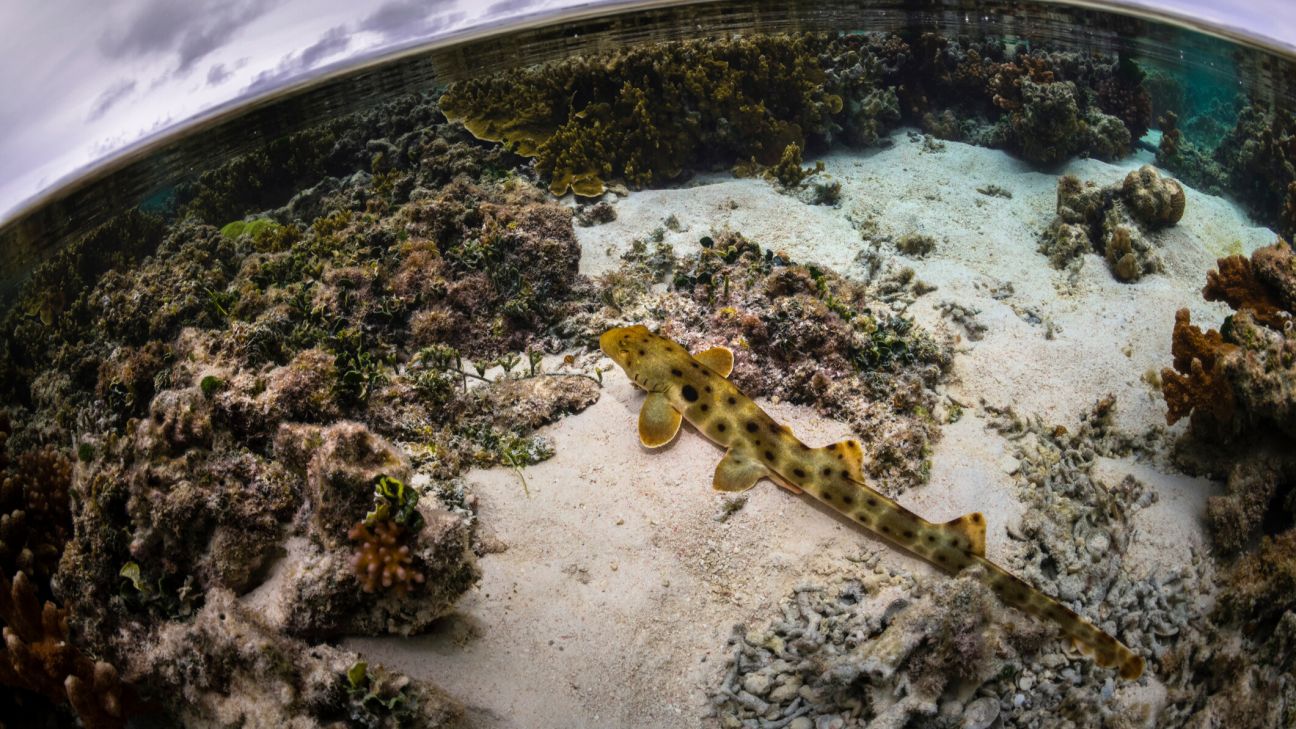
Epaulette shark (Hemiscylliumocellatum)
Gracefully "walking" across the seafloor, the epaulette shark is one of Queensland’s most weird sea creatures. Found in shallow reefs and tidal pools, this small, slender shark uses its muscular fins to move across the sand, even out of water for short periods. Its name comes from the large, dark spots near its pectoral fins, resembling military epaulettes (those dashing fringed shoulder pads you might be familiar with).
Just like most sharks, it prefers to hunt in the dark of night, using its keen senses to locate small fish and crustaceans. Surprisingly resilient, the epaulette shark can survive in low-oxygen environments, allowing it to navigate isolated rock pools as the tide goes out.

Commerson’s frogfish (Antennariuscommersoni)
Commerson’s frogfish is a master of disguise in Queensland’s coastal waters. With its flattened body and mottled colouration, it blends perfectly into the surrounding rocky and coral reefs, waiting for prey to come too close. This slow-moving ambush predator uses a specialised lure – a long, rod-like appendage on its head – to attract fish within striking distance. Once a potential meal is in range, the frogfish opens its massive mouth and swallows it whole – quite a hectic sight to behold! Despite its awkward appearance, it’s an incredibly efficient and stealthy hunter in the depths of the ocean.
This blog has been fact-checked by Marnie Horton (Ranger in Charge – Great Sandy Marine Park) and Bob Gorissen (Marine Park Ranger – Great Sandy Marine Park) from the Department of the Environment, Tourism, Science and Innovation. They are both highly respected members of the Great Barrier Reef and Marine Parks | Queensland Parks and Wildlife Service Partnerships team, with backgrounds in marine biology and marine zoology.
Newsletter
Get involved and stay informed with our handpicked environmental news, tips, and stories sent directly to your inbox.