Issued: 8 December 2025
8 mins read
Christmas is a time when we gather with our nearest and dearest to enjoy each other’s company. However, the festive season can have us quickly spiralling into two bad habits – overconsumption and waste. Around 6.1 million adult Australians will receive gifts they will never use or wear, not to mention the 30% rise in household food waste. That’s a lot of landfill!
Want to celebrate in a cleaner, greener way this year? We’ve got some top tips that will help you have your most eco-friendly Christmas ever.
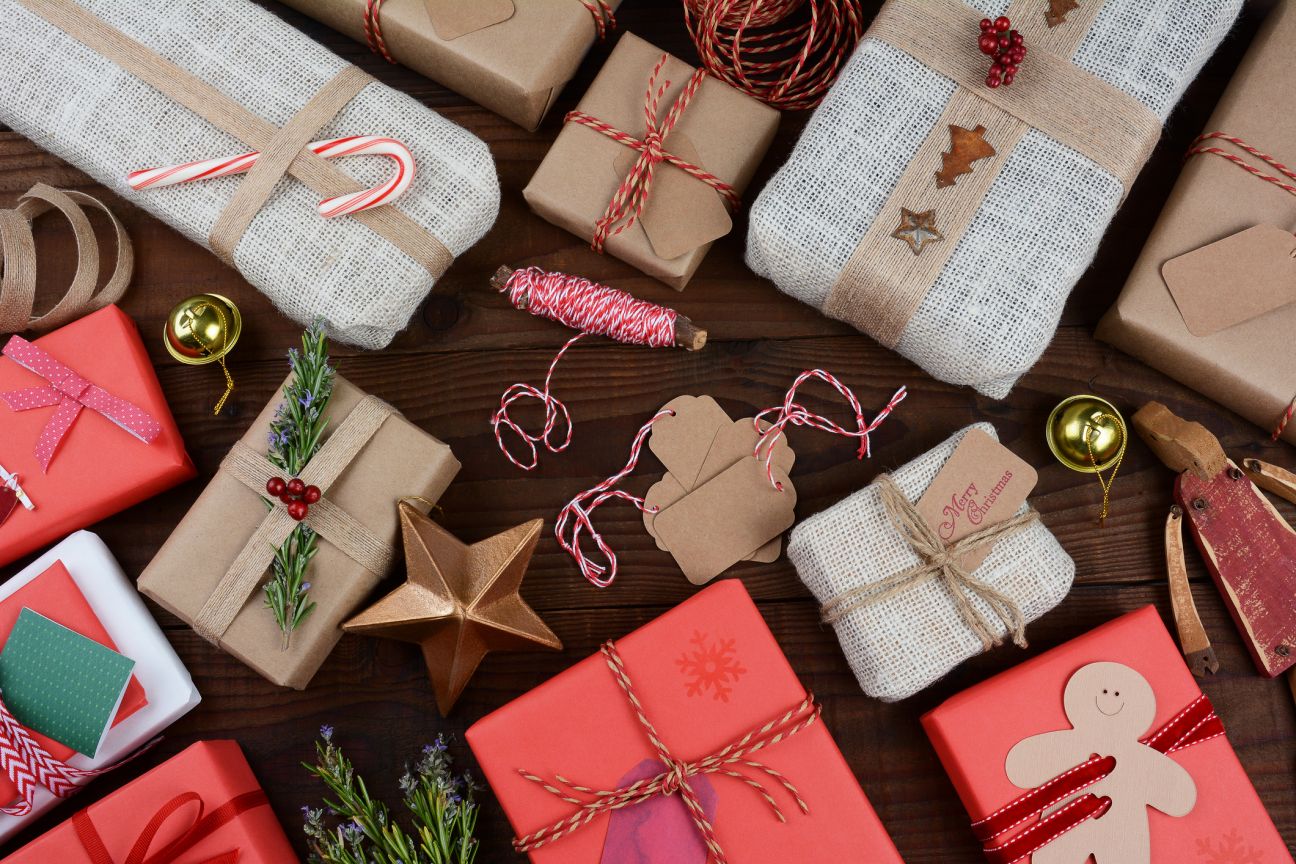
There are plenty of ways you can make your gifts more sustainable
ScukrovPresents
Consider sustainable gifts
Putting a little extra thought into your gift-giving can greatly impact waste reduction. You could:
- explore the charm of second-hand treasures from an op-shop.
- give preference to materials that are eco-friendly and biodegradable, such as wooden toys or games.
- tap into your DIY skills and craft some homemade Christmas gifts.
Edible gifts and plants make for excellent Christmas presents. Whether it's a batch of homemade cookies or a potted plant, subbing out food for Christmas gifts is both delightful and sustainable. In the case of plants, they also offer a lasting impact, as they grow and thrive over time.
Also, consider gifting someone an experience over a material possession. Shared adventures, tickets to a show, or vouchers for a day spa offer the invaluable present of cherished moments and quality time together.
Wrap recycled
There are a few different ways you can wrap your gifts that ultimately reduce waste. This includes:
- Wrapping in reusable materials, like a tea towel or fabric scraps. Secure these wraps with twine or string, and you'll have a beautifully presented gift that's both unique and waste-free.
- Look around your home to repurpose items like shoeboxes, old gift bags, or shopping bags.
- You could even forgo gift wrap altogether!
If you do opt for traditional gift wrap, be sure to recycle it when the festivities are over. Not all wrapping paper is recyclable – anything with glitter, foil, or a plastic or glossy coating should not go in your yellow lid bin.
Quality over quantity
According to the Australia Institute, around a quarter of Aussies expect to receive an unwanted gift at Christmas. This translates to roughly $1 billion worth of landfill waste.
Think about what that person likes. Have they talked about something they want before?
Some people are more than happy to tell you exactly what they want for Christmas, and you’ll both be better off.
Try to choose gifts built to last. Remember, something durable doesn’t have to cost a lot either.

Consider reusable and recyclable items when decorating for Christmas
Aleksandra SelivanovaDecorations
Solar power your lights
Consider the more sustainable option of solar power for lighting up your holiday season. Whether on your tree or around your house, LED Christmas lights are energy-efficient, long-lasting, and just as radiant as traditional options.
Avoid plastic decorations
Ditch the plastic – instead, add a personal touch with do-it-yourself Christmas decorations or upcycling old materials. Fabric or paper decorations are also a great alternative – you can reuse or recycle them for next year.
Just try to avoid glitter-speckled decorations, wrapping paper, and cards. Glitter is a significant source of microplastic in the environment, making items unrecyclable. Decorations, wrapping paper, and gift cards also shouldn’t contain any batteries.
Christmas crackers are also not recyclable, so be mindful of their environmental impact. Lastly, let's not forget about balloons – especially those filled with helium, which can travel long distances and end up in waterways. In fact, the outdoor release of lighter-than-air balloons was banned in Queensland as of 1 September 2023. Fortunately, there are plenty of sustainable balloon alternatives.
These small, thoughtful changes are an easy way to make the day more eco-friendly – not to mention the DIY route can save you some money.
Use a living Christmas tree
While artificial Christmas trees may seem convenient, they cannot be recycled.
Instead, invest in a potted tree from a nursery that you can keep in your garden, or opt for a living one from a sustainable forest. Not only are these options much better for the environment, but they also support local businesses – and you can’t beat the smell of a real Christmas tree!
When sourcing your tree, be sure to steer clear of any State or National Parks. Illegally removing or cutting down a tree from these areas can result in hefty fines of up to $14,375.
If you find your old artificial Christmas tree is no longer up to the task, you can breathe new life into its branches by repurposing them to create decorations like wreaths, table runners, and garlands.
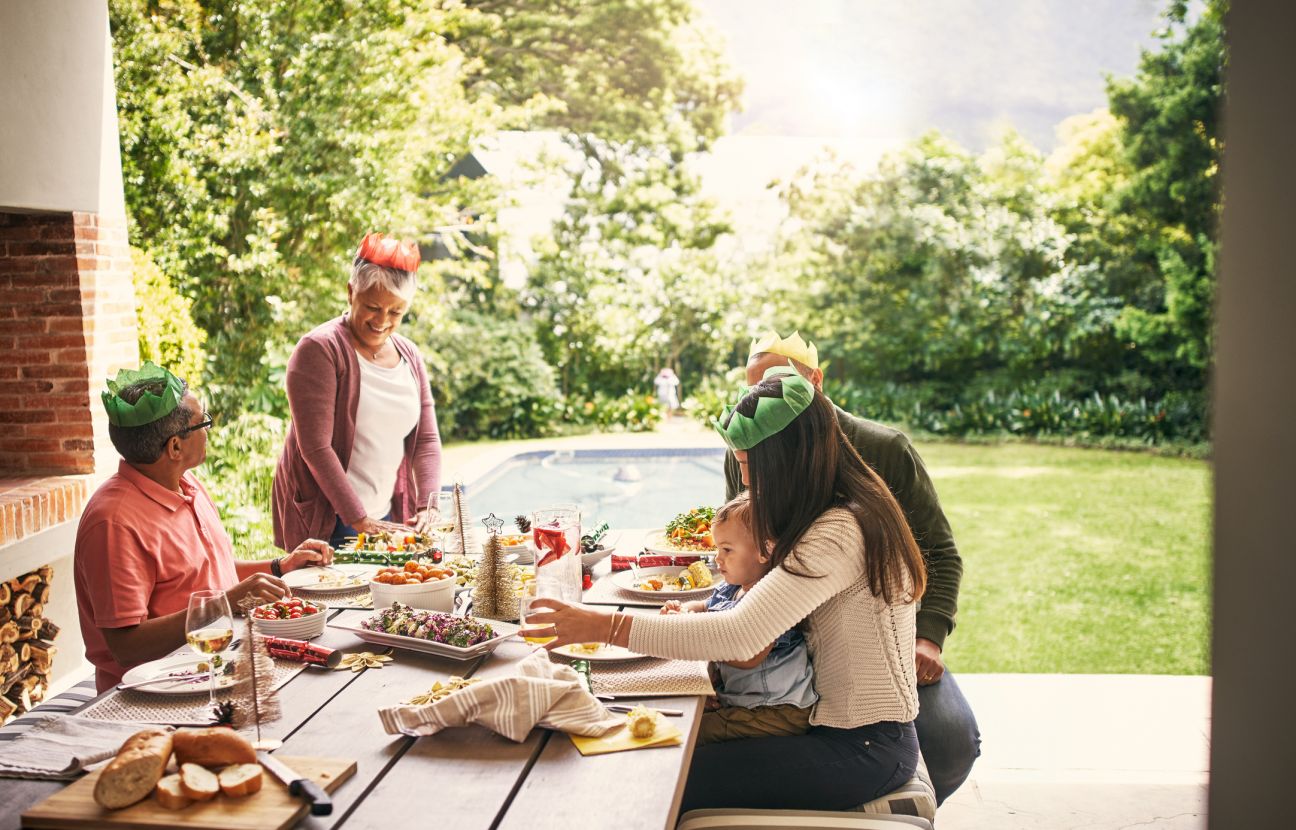
Reducing food waste is an important step to a more sustainable Christmas
pixdeluxeReduce food waste
Tackling food waste is a critical element of making your Christmas more sustainable. Carefully consider the quantity of food you're preparing and be mindful of portion sizes to minimise leftovers.
Planning ahead and knowing how to store and repackage leftovers is also key. Take a moment to declutter your freezer, ensuring you have ample space to store and later enjoy those delicious meals that would have otherwise gone off in the fridge. Ask your guests to bring their own containers to take home any leftovers and avoid having to throw away any food.
To get the most out of your leftovers, download the free Saveful app.
which provides chef-tested recipes based on food you’ve already got at home.
You can also add many food scraps to a compost bin. This environmentally friendly practice not only reduces waste but also contributes to nutrient-rich soil for your garden.
Go reusable
Steer clear of disposable dinnerware like plastic plates and utensils. Use your regular utensils and if you need more, ask if any guests can bring some. If using disposable dinnerware is your only option, aim for biodegradable materials like bamboo. When throwing these items away, make it easy for everyone by providing accessible recycling bins.
You can also cut down on other single-use items by choosing reusable coffee cups, water bottles, metal or silicone drinking straws, baking sheets, fold-up carry bags, and food wraps.
Look at swapping out paper napkins for cloth ones, which can be washed and reused.
Remember, once the party’s over, it's important not to overlook what leftover waste you can recycle.
Leave it up to the dishwasher
When it comes to the post-celebration clean-up, leave the task to your dishwasher. A water-efficient dishwasher can save water compared to washing by hand. So, instead of rolling up your sleeves and scrubbing away at a mountain of dishes, consider the environmental benefits of letting your dishwasher do the work.
Not only will you save water, but you'll also have more time to hang out with your loved ones.
Don’t forget about batteries!
Many of the gifts we receive this festive season will contain batteries. Get familiar with the safe charging and appropriate handling of toys, power tools, and other battery-powered devices.
Got dead batteries you need to dispose of? You can take loose rechargeable and non-rechargeable batteries to collection points at Aldi, Woolworths, and Battery World. Find your closest battery drop-off point on the B-cycle website.
Remember: the spirit of festive season is all about spending time with your loved ones. Make your Christmas more joyful and eco-friendly using these simple tips to reduce waste this holiday season.
Newsletter
Get involved and stay informed with our handpicked environmental news, tips, and stories sent directly to your inbox.