Issued: 16 September
8 mins read
For tens of thousands of years, Traditional Owners have observed the rhythms of Country, noticing changes in waterways, landscapes, and wildlife that others might miss.
Today, that knowledge continues to play an important role in conservation. Across Queensland, Indigenous Land and Sea Rangers are working on the ground to protect threatened species, restore habitat, and build a clearer picture of how ecosystems are changing. Their work draws on both Traditional knowledge and contemporary conservation practices, creating a powerful approach to caring for natural landscapes.
In some places, that means searching for evidence of platypus in creeks where Elders remember seeing them decades ago. In others, it means creating habitat for endangered fish or tracking the movements of elusive aquatic species. While these projects vary in their focus, they share a common purpose: protecting wildlife through a strong connection to Country and a commitment to caring for the natural resources that sustain people, culture, and ecosystems.
As Australia faces the challenges of habitat loss and the ongoing reduction of biodiversity, these projects demonstrate the value of First Nations knowledge in protecting wildlife and supporting healthy Country. Grounded in a deep Indigenous connection to land, Rangers are helping shape conservation outcomes with a lasting impact.
Want to see how conservation and habitat restoration look in action? Here are five projects we're excited about.
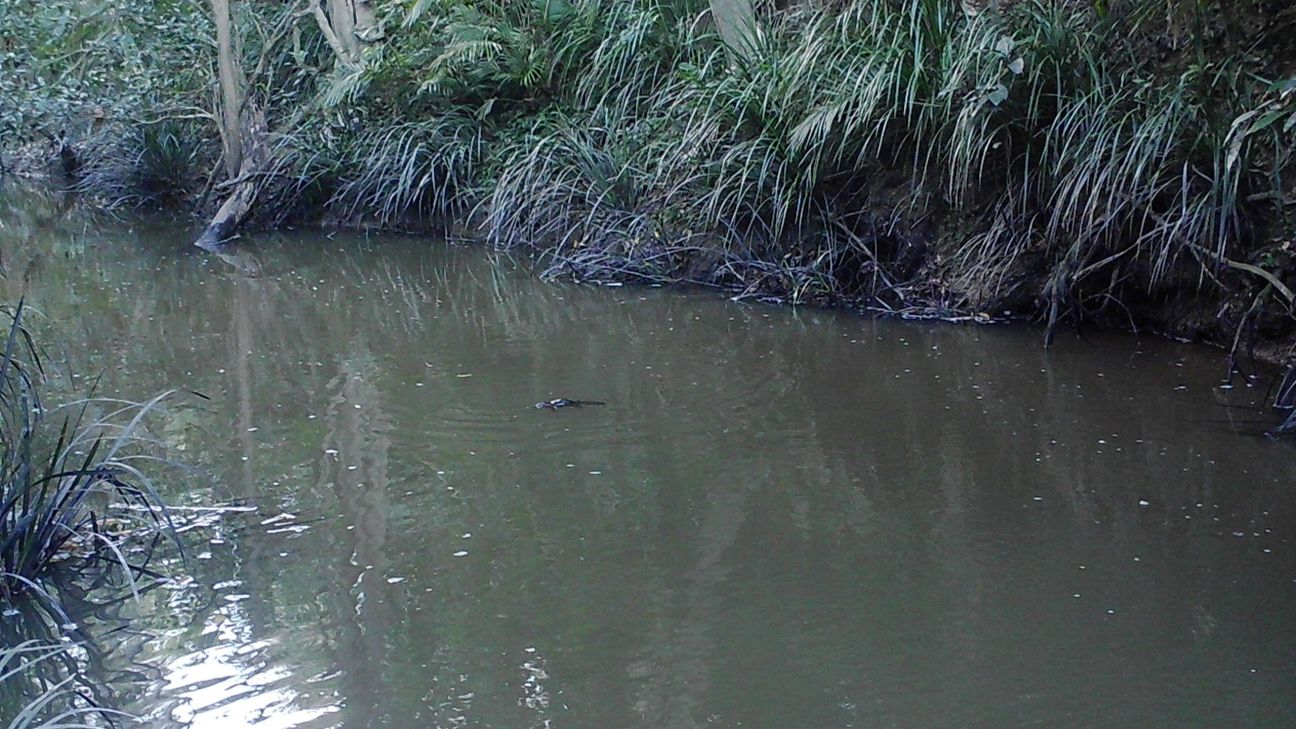
A rare trail-cam sighting of the elusive platypus.
© Bulmba RangersLooking for platypus on Djabugay Country
When Djabugay Elders spoke about seeing platypus in local waterways as children, those memories raised an important question: were platypus still living in the area?
Through the Eyes on Country Project, Bulmba Rangers worked with Djabugay Elders and conservation partners to find the answer. Using trail cameras across key sites near Kuranda, the team captured thousands of images and confirmed platypus were still present in local waterways. The discovery provided valuable information about the species while reinforcing the role local knowledge plays in guiding conservation efforts.
The project grew from concerns raised by Elders who had not seen platypus in the area for many years. Their observations helped shape the monitoring program, demonstrating how Traditional knowledge can identify changes in wildlife populations that might otherwise go unnoticed.
The project is now supporting ongoing monitoring and habitat restoration, helping build a stronger understanding of the conditions platypus need to thrive. Ongoing work will examine water quality and habitat health, providing a clearer picture of the factors that support this iconic species. The information collected will also help guide future management of waterways on Djabugay Country.
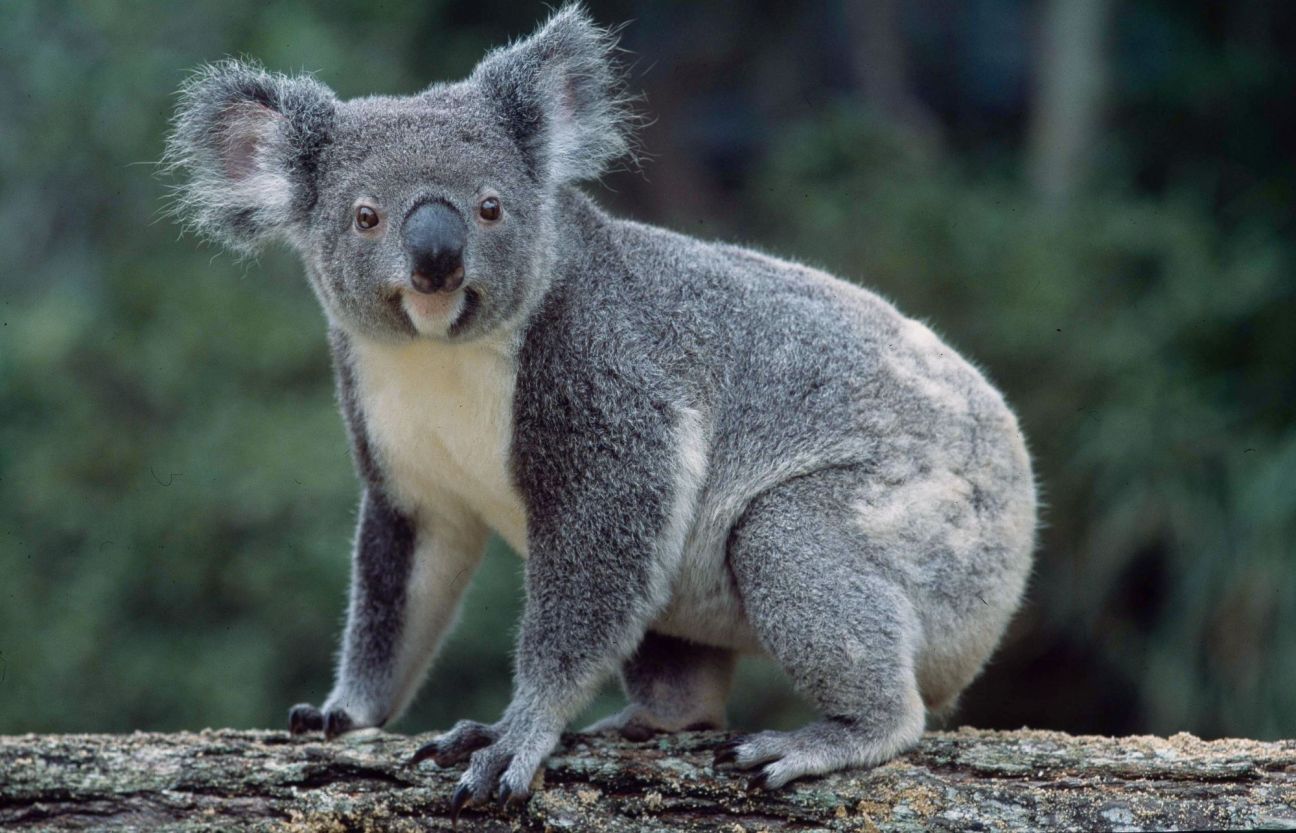
Restoring precious koala habitat
For the Jinibara Freshwater Rangers, protecting koalas is about more than preserving a species. Koalas are a totem animal with deep cultural significance, making habitat restoration both an environmental and cultural priority.
At Howells Knob, Rangers have been restoring degraded habitat, managing invasive weeds and encouraging the return of native vegetation. Their work is creating healthier habitat and improving connectivity across the landscape. Surveys recorded koalas at the site, a fantastic result that highlights the importance of maintaining high-quality habitat for local populations.
The project also demonstrates how conservation can support broader ecosystem health. As native plants establish themselves, they provide food, shelter, and safe corridors for koalas and other native species.
For the Jinibara community, the work strengthens cultural ties to Country while preserving landscapes that hold important stories, songlines, and ecological values. Ongoing monitoring will help Rangers understand how the habitat changes over time and inform future restoration activities.
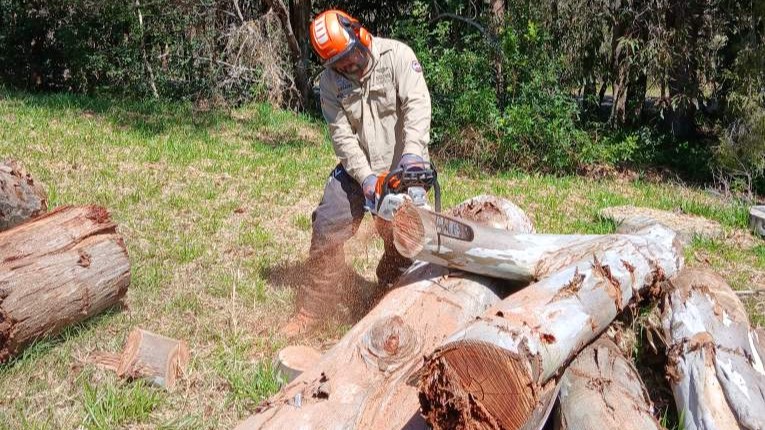
The creation of habitat logs.
© Kabi Kabi Land and Sea RangersSupporting the recovery of the Mary River cod
Further south, the Kabi Kabi Land and Sea Rangers are helping restore habitat for the endangered Mary River Cod, an important totemic species for Kabi Kabi people and one of Queensland's most significant freshwater fish.
Working with the Mary River Catchment Coordinating Committee, Kabi Kabi Rangers have created and installed 20 hollow habitat logs made from salvaged timber. Once installed, the submerged logs create a complex habitat structure that the cod rely on for protection and reproduction, while also contributing to broader river restoration. Seven monitoring sites have been established to help the conservation efforts.
Throughout the project, the Kabi Kabi Rangers continue to practice skills in habitat assessment, restoration techniques, and long-term environmental monitoring to support the recovery of this threatened species. For the Kabi Kabi Rangers and the Kabi Kabi community, this project represents what is possible when groups collaborate on a shared vision. Rangers hope future recovery projects and partnerships across Kabi Kabi Country can build on this work and support other threatened species.
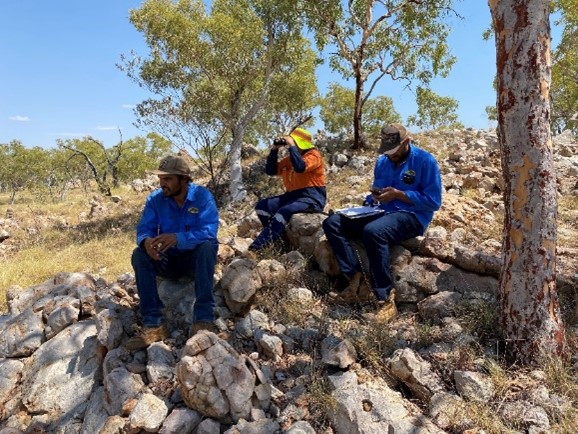
Indjalandji-Dhidhanu Aboriginal Corporation Rangers on the lookout in spinifex country.
Monitoring a bird found nowhere else
In Queensland's north-west, Indjalandji-Dhidhanu Aboriginal Corporation Rangers are helping researchers better understand the endangered Carpentarian grass wren.
The small bird lives in spinifex country and can be difficult to find, making long-term monitoring especially important. Working alongside BirdLife Australia, university researchers, and neighbouring ranger groups, Rangers are improving knowledge of the species' habitat and distribution.
While surveys have not yet revealed large numbers of grass wrens, they have provided valuable information about where the birds may occur and the type of habitat they depend on. Rangers have gained skills in species monitoring techniques such as bird call surveys and habitat checks, with this expertise supporting continuous conservation work.
The project also highlights the connection between environmental management and Indigenous cultural practice. The bird's relationship with spinifex grass is particularly significant – Traditional Owners continue exploring ways to sustainably use spinifex while protecting the ecosystems that support it.
As monitoring continues, Rangers will help us understand the species better and support efforts to secure its future.
Protecting a culturally significant species
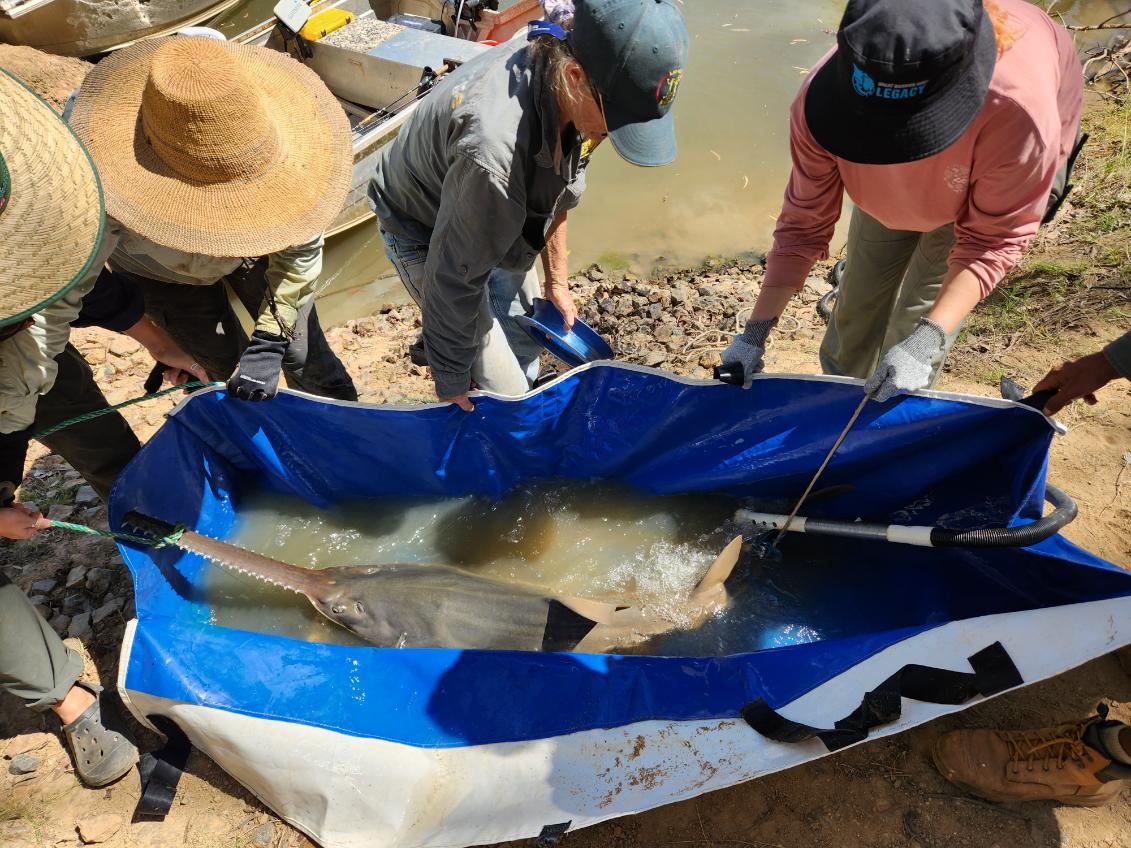
On Cape York Peninsula, Laura Rangers are helping study one of Australia's most distinctive and threatened fish species: the critically endangered freshwater sawfish.
Freshwater sawfish were once an important food source in the Laura region and feature in local rock art. This contributes to the species' ongoing cultural importance for Traditional Owners. Working alongside Sharks and Rays Australia, Queensland Parks and Wildlife Service, and Rinyirru Rangers, the team is collecting data that will help shape future recovery.
Fieldwork takes place across river systems and waterways that flow through important cultural landscapes, including areas connected to nearby national park estates. Rangers are helping expand scientific understanding of how sawfish move through these environments and which habitats are most important at different stages of their life cycle.
The team has received specialist training in animal handling, DNA sampling, and acoustic tagging. Those skills allow Rangers to contribute directly to research on sawfish movements and population health. By combining scientific monitoring with on-Country knowledge, the project is helping fill critical information gaps about a species that remains poorly understood along Queensland's east coast.
The increased collection of sightings and tracking data will support ongoing management, ensuring this culturally significant species remains part of Queensland's natural and cultural heritage.
Caring for Country, protecting the future
Every conservation project in this blog began with people paying attention to Country – and each project contributes to a broader understanding of how wildlife and ecosystems are changing over time. The work being done today builds on generations of observation, stewardship, and advocacy by First Nations communities.
The Indigenous Land and Sea Ranger Program supports Traditional Owners to lead conservation in places with deep cultural and environmental significance. Rangers are restoring habitat, monitoring threatened wildlife, and applying Traditional knowledge alongside modern science to better understand the challenges facing Queensland's ecosystems.
The benefits extend well beyond individual projects. Researchers are collecting more information about vulnerable species. Habitats are being restored. Communities are strengthening their connection to Country while creating opportunities for future generations to participate in caring for it.
As environmental pressures continue to grow, the role of Indigenous Land and Sea Rangers will become even more important. Their work demonstrates how Indigenous land management can protect biodiversity, support healthy landscapes, and help ensure Queensland's unique wildlife remains resilient.
Newsletter
Get involved and stay informed with our handpicked environmental news, tips, and stories sent directly to your inbox.