Issued: 7 May
5 min read
Picture this: sunlight warming your skin, a soft breeze through the trees, and birdsong in the air. It’s a simple moment – but one that reflects the powerful connection between nature and mental health.
In a world that often feels overwhelming, many people are searching for realistic ways to improve mental health. One of the most accessible and overlooked tools is nature itself.
Why nature matters for mental health and wellbeing
The mental health benefits of spending time outdoors are well supported by research. Even short bursts of nature – around 10 minutes – can boost mood and reduce stress, while spending roughly two hours a week in natural environments is associated with better overall mental health and wellbeing.
At the same time, mental health challenges are on the rise. The World Health Organisation estimates that more than one billion people worldwide live with a mental health condition, highlighting the need for simple, preventative approaches.
The encouraging part? Connecting with nature doesn’t have to be time-consuming or complicated. Here are five easy ways to incorporate it into your daily routine.
1. Start your day with natural light
One of the easiest ways to improve mental health is by getting outside in the morning light.
Exposure to natural sunlight shortly after waking helps regulate your circadian rhythm – signalling your body to feel more alert while supporting better sleep later on. Research also shows that morning light is linked to improved sleep quality and overall mental wellbeing.
You don’t need much – just 10–30 minutes in the first hour of your day can deliver meaningful mental health benefits.
By building a short, consistent morning light habit – whether it’s a walk, a coffee outside, or simply sitting in the sun – you’re supporting both your physical rhythms and the long-term mental health benefits of your daily connection with nature.
Just be mindful of overexposure to the sun. If you're consistently outside for long periods, be vigilant with sun protection.
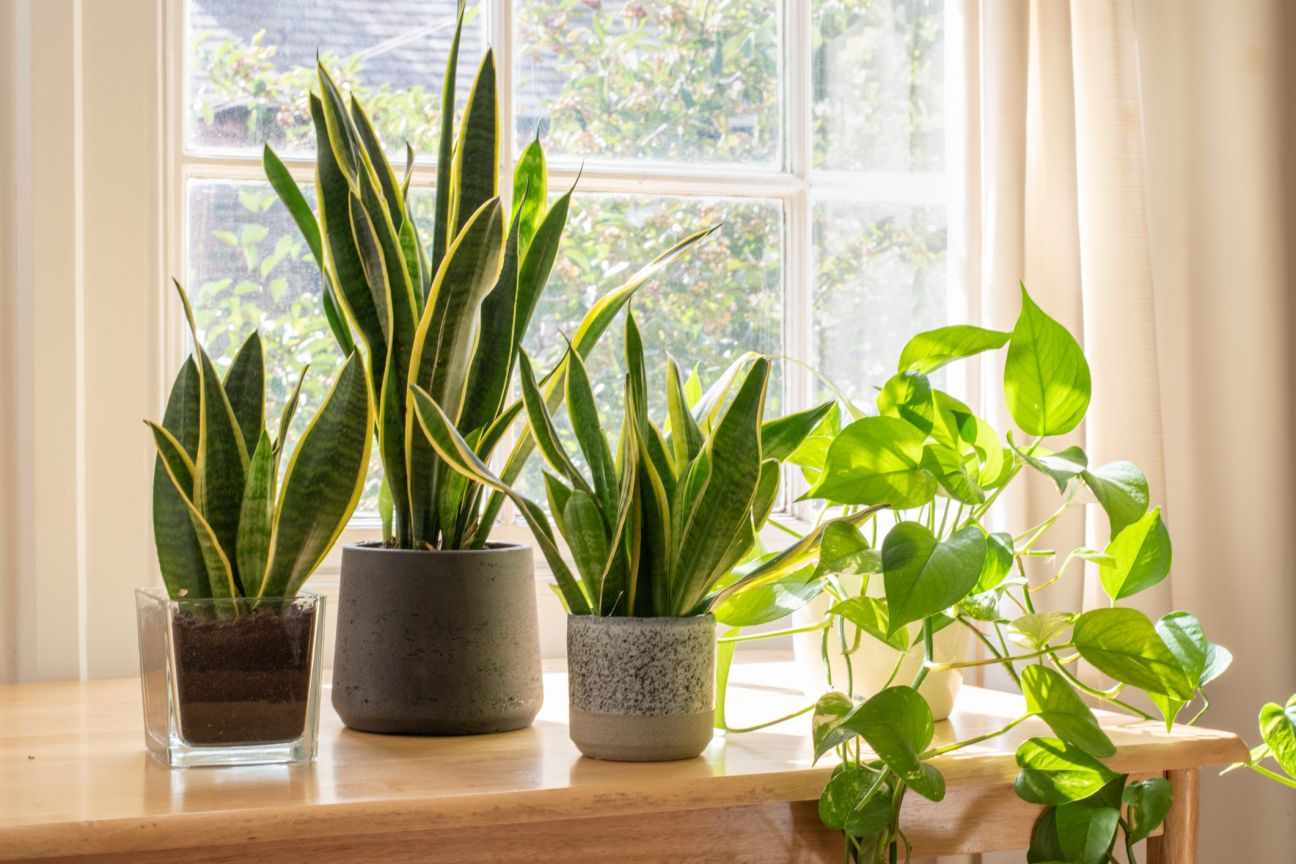
Introducing plants indoors is proven to improve mood levels and productivity.
2. Bring nature indoors
If getting outside isn’t possible, bringing nature into your space can be the next best thing for your brain.
Research shows that even small amounts of indoor greenery can boost mood, reduce stress, and create a greater sense of calm and satisfaction. In fact, being around plants has been linked to improved focus and cognitive function, helping you feel more relaxed and productive.
This applies at home and at work. Adding plants to your desk or living space can make your environment feel more inviting while supporting the mental health benefits of everyday connection with nature.
If you’re not sure where to start, hardy indoor plants like the Kentia palm, Moreton Bay chestnut, or palm lily are well-suited to Australian conditions – making it easy to introduce a little greenery into your routine.
3. Go on a nature walk
Don’t underestimate the power of a simple walk outdoors!
Spending time in nature – immersing yourself in the sights, sounds, and smells – can help reduce stress and promote a sense of calm and rejuvenation. Walking among trees can be especially beneficial, as they release natural compounds called phytoncides, which are linked to lower blood pressure and improved immune function.
If you’re not sure where to start, tools like Find a park make it easy to discover nearby national parks and green spaces. Many also offer visitor centres, where you can learn more about local flora, fauna, and cultural history – adding another layer of connection to your experience.
4. Start a nature journal
A nature journal is a simple but effective way to deepen your connection with the outdoors.
Taking the time to write, sketch, or reflect encourages you to slow down and notice the small details – whether it’s the sound of birds, the texture of leaves, or the changing light. This mindful attention can support mental health and wellbeing by helping you feel more grounded and present.
There’s no right or wrong way to do it. You might jot down observations, draw what you see, or capture a few thoughts or ideas – turning each entry into a personal record of your experiences in nature.
If you’d like to take it a step further, your observations can contribute to citizen science apps like FrogID and WomSAT, helping researchers better understand local ecosystems while strengthening your own connection to nature.
Visit the Chief Scientist's website to find a citizen science project near you.

We all play a part in preserving nature for future generations.
5. Reduce your plastic use
Caring for the natural world also means thinking about how our everyday choices impact it.
In Australia alone, around 3.2 million tonnes of plastic waste are generated each year, with the majority ending up in landfill rather than being recycled. Small, consistent changes can make a real difference in reducing that impact and protecting the environments we rely on for our wellbeing.
The good news is that cutting down on plastic doesn’t have to be complicated. A few simple swaps can go a long way:
- Bring reusable bags when shopping
- Choose refillable water bottles and coffee cups
- Look for products with minimal packaging
- Skip single-use plastic utensils where you can
It’s not a huge change, but it can have a big positive impact on both your environment and your health.
Nature helps you reset, recharge, and feel better – so it’s worth making time for, and worth protecting too.
This content was developed by the Department of the Environment, Tourism, Science and Innovation and reviewed by our partners, the Queensland Mental Health Commission.
Newsletter
Get involved and stay informed with our handpicked environmental news, tips, and stories sent directly to your inbox.