Issued: 11 December 2025
8 mins read
For many people, the New Year marks a chance at a fresh start. If you've been meaning to learn piano, hit the gym, or spend more time with your family, January 1st is seen as a great time to start. While personal intentions are admirable, there's a growing appetite for more large-scale changemaking.
Why not kick off 2026 with a New Year's resolution that embraces a more sustainable lifestyle? It may seem like a daunting change, but there are a bunch of small things you can do to reduce your environmental footprint. Here are some easy suggestions to help you enter the new year with a more sustainable mindset.
1. Think waste avoidance
A simple way to start your sustainable lifestyle is to avoid waste where possible. Plan ahead when shopping and consider the environmental and social impacts of what you are buying. In your choices, limit the potential for wasted food, unwanted gifts, single-use products, and excess packaging.
2. Embrace active transportation
Australia's transport system isn't very energy efficient, ranking second worst worldwide. It's the third-largest source of greenhouse gases here and it's getting worse. To cut down on your carbon footprint, try walking or biking for short trips.
If you take the bus or train to work, think about biking to the station instead of driving. And if you live close to your kid's school, walking to pick them up is an easy way to be more environmentally friendly.
3. Start recycling
Recycling is one of the easiest and most effective ways to reduce your home’s carbon footprint. You might even get a little extra money in your pocket!
When getting started, learn what can be recycled in your local government area. Your local council's processing facilities may impact what's recyclable, but they typically accept these five materials: paper/cardboard, glass, hard plastics, steel, and aluminium.
If you don't know whether an item is recyclable, look for the Australasian Recycling Label. It provides clear information about how to correctly dispose of each component of the item. Keep in mind recycling capabilities vary by council, so check with them directly for advice on accepted materials.
If you’re ever in doubt, head to Recycle Mate – you can enter your address and the item you’re unsure about, and then the website will let you know which bin to use.
When recycling, always keep your recyclables loose in the bin – they do not need a bin liner or plastic bag. Bagging recyclables creates problems during processing, so your items might all end up in landfill.
4. Plant natives in your garden
Fancy a bit of summer gardening? Native Australian plants make for perfect home growing. They can typically survive on rainwater alone and rarely need fertilisers or pesticides. Our native plants also provide habitat, food and shelter for local wildlife such as birds, bees, small mammals and lizards.
There are plenty of indoor-suitable natives like the kentia palm, kangaroo fern and wax vine, not to mention full-sun plants that thrive in the heat. Some councils even have a free native plants program that offers a range of options.
5. Throw away less food
Aussie households waste 2.5 million tonnes of food each year – that’s more than four kilos per household per week! Food waste creates greenhouse gases that harm the environment, so it's important to reduce what we throw away.
Storing your fruits and vegetables properly is an easy way to reduce food waste. It helps them stay fresh longer, providing a larger window for you to enjoy them.
When you've got leftovers, check out Love Food Hate Waste's collection of recipes designed specifically for excess food. You can also check out the Saveful app, which we created in conjunction with the Federal Government. It help Australians reduce food waste, save money, and contribute to a greener future.
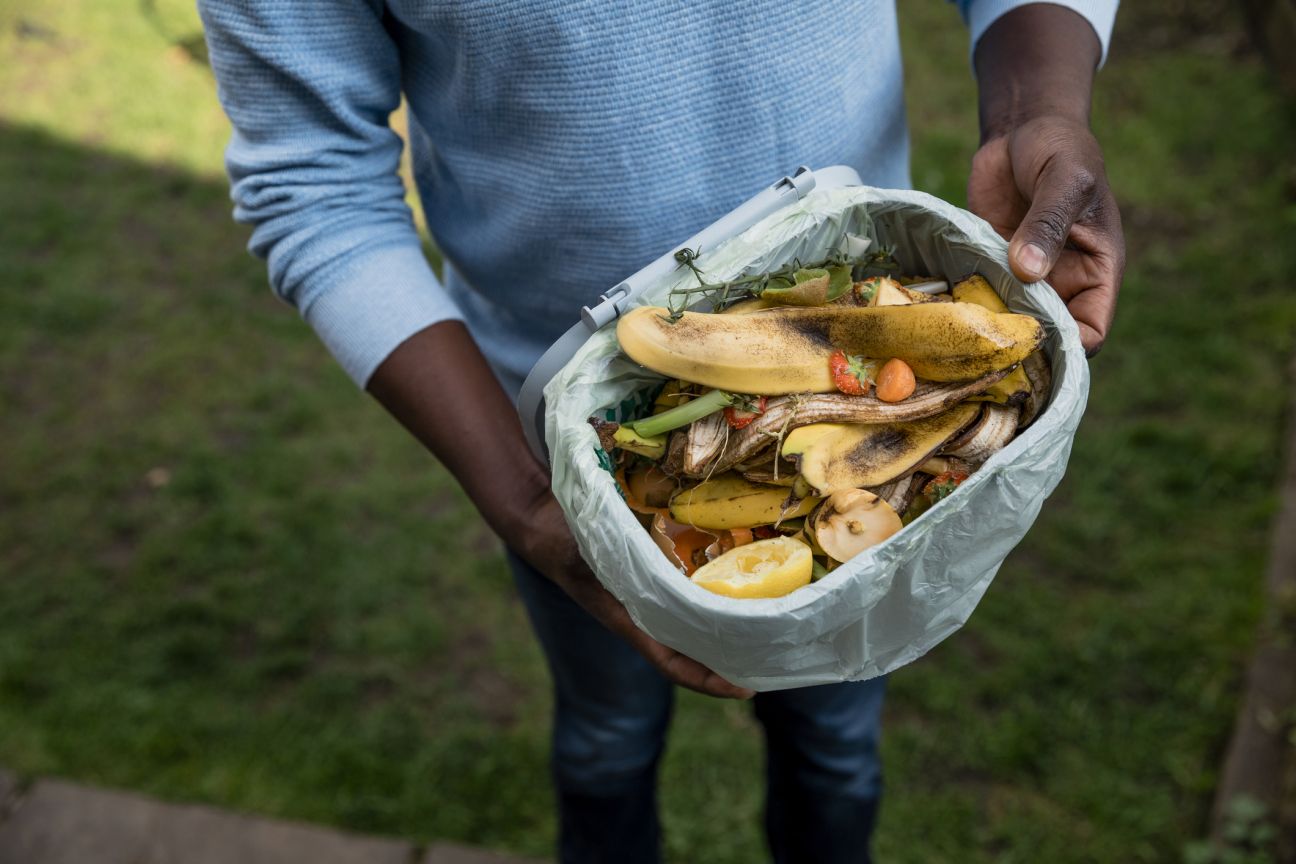
There is no better way to get rid of your organic food waste than composting.
6. Compost your organic food waste
When food scraps are thrown in the bin, they end up in landfill releasing methane, a potent greenhouse gas. Composting your food scraps reduces these emissions, all while making great soil for your garden and plants!
Starting composting can be quite simple. Firstly, you need to select a compost bin that fits your space – plastic-enclosed ones usually work best. Some Queensland councils, like Brisbane City and Logan City, even have composting rebates, where you can get cash incentives for purchasing composting equipment. Check with your local council to see if your area has a similar program.
7. Consume less energy at home
About 20% of Australia's carbon footprint comes from household emissions. Saving energy is not only great for the environment but can also reduce your energy bill.
Start with simple actions like turning off lights and draught-proofing your home. Then, look to tackle the two largest energy consumers in Queensland households – hot water and heating/cooling.
Water heating is the main source of greenhouse gas emissions in Aussie homes, making up 25% of the average Queenslander's power bill. Aim to limit hot showers to 4 minutes and fix any dripping taps.
When you turn on your heating or cooling, set your thermostat to 18 to 20°C in winter and 25 to 27°C in summer. Energy use increases by about 5% to 10% for each degree you raise your heater or cooler.
Upgrading to energy-efficient appliances is another impactful consideration, as well as exploring solar options for your home.
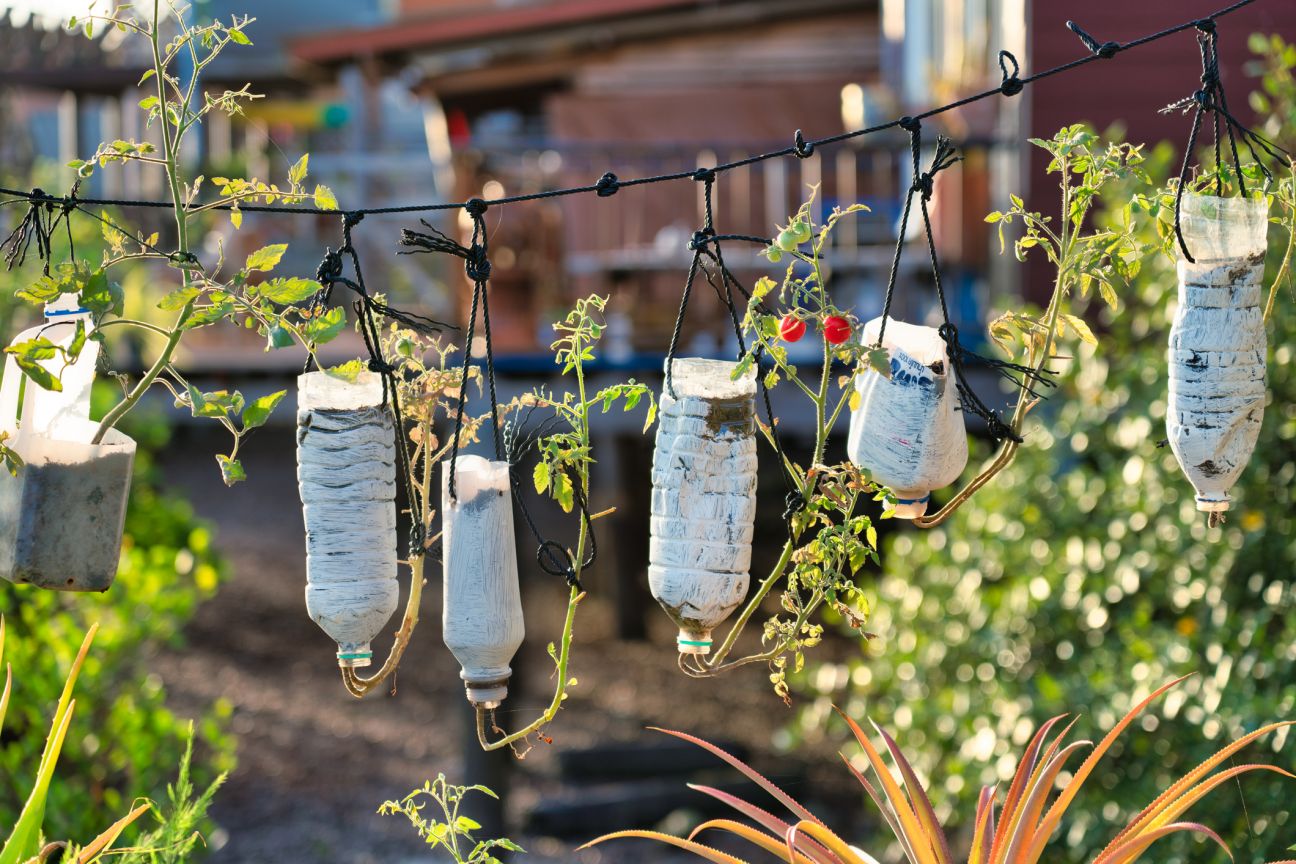
Embrace the power of upcycling! Here are tomato plants sprouting from repurposed plastic bottles.
8. Give new life to old items
Upcycling is an enriching way to unleash creativity, save money, and breathe fresh life into forgotten items. Before throwing away those clothes or that sauce jar, consider their potential for a new purpose – you might be surprised by your innovation.
Always explore ways to rejuvenate an item before it gets thrown out – you might give something a second life and get to use it forever!
9. Eliminate single-use plastics
The most environmentally friendly thing you can do with soft plastics (especially single-use plastics) is reduce your consumption of them. Simple changes like carrying a reusable water bottle or coffee cup can significantly cut down plastic waste. You could also opt for reusable shopping bags and choose products with minimal or no plastic packaging.
The more you show corporations that single-use plastics aren't your preference, the less likely they'll include them in products.
In Queensland, in addition to banning harmful single-use items like plastic bags and straws, we have also banned the act of releasing lighter-than-air balloons into the sky. Fortunately, there are plenty of more sustainable ways to celebrate your next special occasion.
10. Spend more time in nature
Reduced blood pressure, lowered mortality from cardiovascular disease, and an improved mood are just some of the health benefits nature can provide. If people spent just half an hour in their local park each week, cases of depression could decrease by 7%.
Use 'Find a Park' to get an idea of the National Parks and Forests closest to you. If you live far away from a park or don’t have much time, try incorporating nature into your daily life at home by creating a green space, such as a garden or plant wall.
There are plenty of simple, cost-free ways you can contribute to a more sustainable planet. It doesn’t matter whether you decide to take on something personally, like investing in a reusable coffee cup, or as a household through planting a native tree or composting.
No matter how small the habit may seem, it compounds over time into something hugely beneficial. These easy resolutions can help you lean into a more sustainable lifestyle – one that feels better for you and the planet.
Newsletter
Get involved and stay informed with our handpicked environmental news, tips, and stories sent directly to your inbox.